In a developing story that has put Belize’s public spending transparency under renewed scrutiny, leaked procurement records for the Belize Defense Force (BDF) 2023-2024 fiscal year food supply contracts have raised serious questions about potential overpayment, excess purchasing, and a lack of oversight in taxpayer-funded military spending.
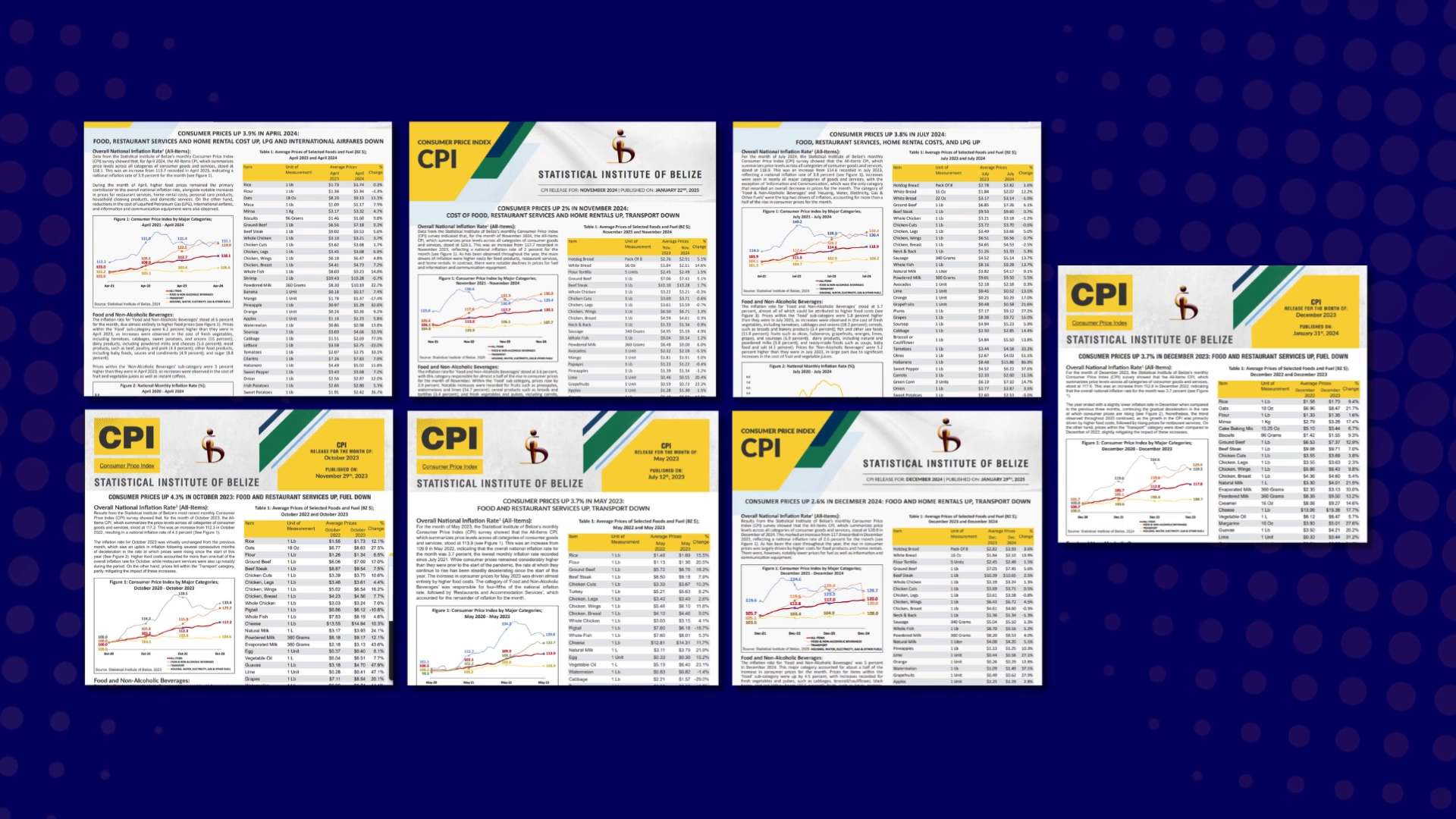
The documents, which outline contracts awarded to a small group of local suppliers for staple and premium food products for BDF kitchens, show that the Ministry of Defense paid far above national average retail prices for core goods, with price gaps reaching 64 percent for some items. When compared against monthly consumer price data collected by the Statistical Institute of Belize (SIB), which tracks average national costs for household goods, the discrepancies are impossible to overlook.
For example, SIB data shows the highest average national price for a pound of chicken breast recorded between 2023 and 2024 was $4.73, reached in April 2024. However, leaked tender records reveal the Ministry of Defense paid J&J Imports $7.76 per pound for 1,000 pounds of chicken breast delivered monthly—more than $3 above the peak national average, and enough to generate $33,000 in potential annual savings even if the ministry had negotiated a rate of just $5 per pound. A second supplier, Kukulcan, charged the ministry $5.50 per pound for an additional 873 pounds of chicken breast each month, bringing the BDF’s total monthly chicken breast purchase to 1,873 pounds at a cost of more than $12,500.
That level of purchasing for chicken breast alone has raised red flags, even before accounting for the 24,550 pounds of whole chicken the BDF bought from Kukulcan every month at $3 per pound. Across a full year, the defense ministry purchased more than 22,476 pounds of chicken breast and 294,600 pounds of whole chicken, totaling 317,076 pounds of chicken annually.
The pattern of large-volume, above-average pricing extends to other protein items on the BDF menu. Kukulcan charged the ministry $23 per pound for 1,000 pounds of fish fillet monthly, amounting to $276,000 per year, while J&J Imports supplied an additional 1,466 pounds per month at $20.71 per pound, costing more than $30,000 monthly. Combined, the two suppliers delivered nearly 29,600 pounds of fish fillet each year.
Other high-cost purchases include 1,320 pounds of baby back ribs annually ($19,260 total), 4,980 pounds of shrimp ($177,420 total), nearly 1,000 pounds of lobster ($24,402 total), and 15,312 pounds of ground steak ($157,500 total). When all counted, just these six meat items add up to nearly 360,000 pounds of meat per year, or an average of almost 986 pounds of meat per day. Even this figure does not include additional purchases of beef steak and ground chicken, which would push the annual total toward half a million pounds of meat.
Cabinet Minister Kareem Musa, who is part of the ongoing investigation into the contracts, emphasized that procurement decisions should prioritize lower cost and full public transparency to protect taxpayer interests.
“So if the Miras are offering the same vegetables at a lower cost than say, Save U and or Brodies then we should go the Miras, but at the end of the day it should be published for transparency purposes,” Musa said.
SIB officials confirmed that the organization collects consistent, nationwide price data every month for its consumer price index survey, providing a reliable baseline to compare against the defense ministry’s contracted prices. Investigators are now focusing on two core questions: First, whether the Belizean government overpaid for food supplies by millions of taxpayer dollars by accepting inflated prices from selected suppliers, and second, whether the volume of meat purchased aligns with the actual consumption needs of BDF soldiers, raising questions about unreported diversion of supplies or inadequate contract monitoring. Coverage of this ongoing investigation was reported by Paul Lopez for News Five.