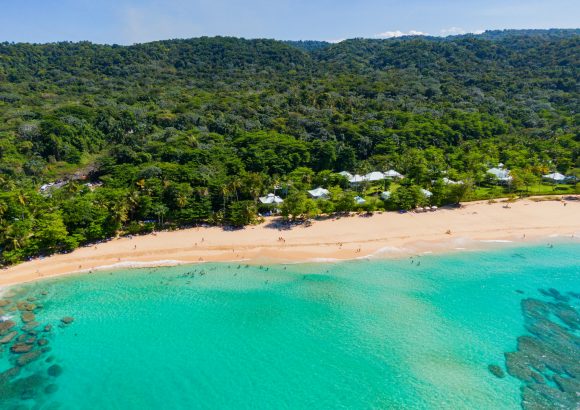
The Dominican Republic has earned a coveted spot among the world’s top beach travel destinations, securing the 25th position on Travel And Tour World’s (TTW) highly anticipated 2026 ranking of the 50 Best Beach Destinations globally. The Caribbean nation beat out hundreds of other coastal locations to claim the honor, drawing recognition for its powdery white shorelines, world-class luxury accommodation, rich underwater biodiversity, and dynamic local cultural heritage.
TTW’s annual ranking is one of the tourism industry’s most respected assessments of global coastal destinations. To build the 2026 list, reviewers evaluated more than 500 beach locations across the globe, scoring each candidate against a strict set of criteria that includes natural scenic beauty, diversity of beach landscapes, commitment to sustainable tourism, overall visitor satisfaction, health of marine ecosystems, ease of access for international travelers, quality of tourism infrastructure, and unique cultural appeal. Only destinations that excel across all these metrics earn a place on the final top 50.
In its analysis, TTW specifically highlighted the extraordinary diversity of the Dominican Republic’s 1,600-kilometer coastline, which caters to every type of traveler. From the bustling, resort-packed stretches of Punta Cana and Bayahibe, popular with family and luxury travelers, to the rugged, unspoiled scenic shores of Samaná and Puerto Plata that draw adventure seekers and eco-tourists, the country offers experiences for every taste and travel style. Visitors can choose from a wide menu of ocean and coastal activities, including snorkeling among vibrant coral gardens, scuba diving to explore shipwrecks and underwater caves, surfing along Atlantic-facing breaks, kayaking through mangrove forests, sailing across calm Caribbean waters, deep-sea fishing for trophy game fish, and leisurely catamaran cruises along the coast.
The publication also extended praise to the Dominican Republic’s booming hospitality sector, particularly its collection of luxury all-inclusive resorts that have become a hallmark of the country’s tourism brand. Additional standout features highlighted by TTW include the nation’s healthy, biodiverse coral reefs, its flavorful and diverse Caribbean cuisine that blends Spanish, African, and indigenous Taino influences, its lively nightlife scene, and the famously warm hospitality of the Dominican people that keeps visitors returning year after year. All these qualities combine to cement the Dominican Republic’s reputation as one of the Caribbean’s leading beach getaway destinations, TTW noted.
TTW also singled out 10 of the Dominican Republic’s most exceptional beaches for special recognition, showcasing the breadth of quality across the country. The honored shorelines include Canto de la Playa on Saona Island, a postcard-perfect tropical escape; Bávaro Beach in Punta Cana, the country’s most famous resort beach; Rincón Beach in Samaná, a hidden cove favored by nature lovers; Playa Bonita in Las Terrenas, a popular spot for digital nomads and surfers; Bahía de las Águilas in Pedernales, a remote, protected wilderness beach; Frontón Beach in Samaná, a rugged surf destination; Cosón Beach in Las Terrenas, a quiet, crescent-shaped shore; Juanillo Beach in Cap Cana, a luxury private resort beach; Playa Grande in Río San Juan, known for its dramatic cliffside views; and Macao Beach in Punta Cana, a public beach popular with both locals and visitors.
The 2026 ranking is topped by Greece, which took first place overall, followed by Australia in second, Mexico in third, the Philippines in fourth, Thailand in fifth, Spain in sixth, Turkey in seventh, the United States in eighth, Italy in ninth, and Portugal in tenth. According to TTW, the 2026 list places a renewed focus on destinations that balance unforgettable coastal vacation experiences with long-term commitments to sustainable tourism development and environmental conservation, ensuring that fragile coastal ecosystems remain protected for future generations of travelers.