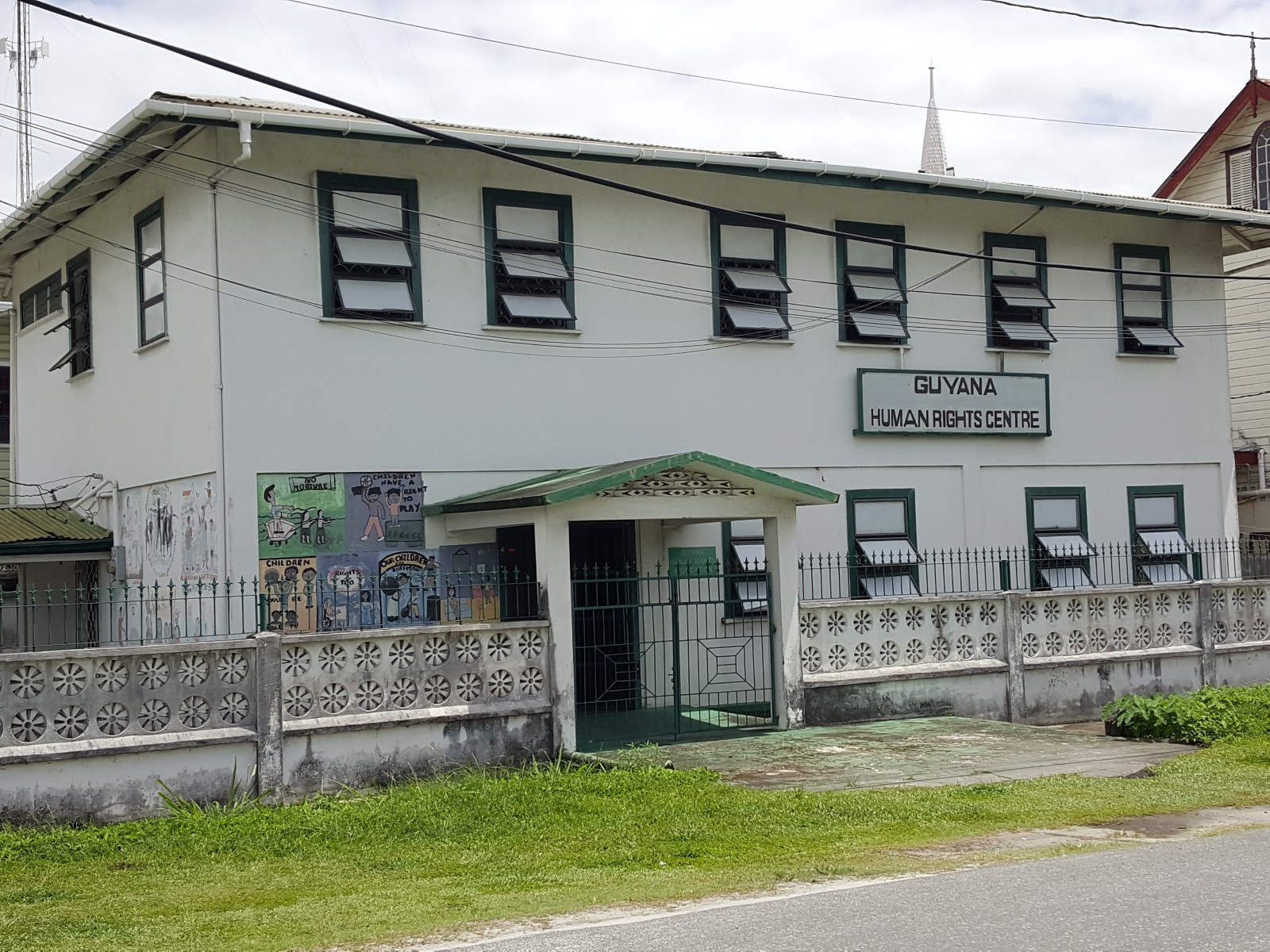
In the wake of the devastating MV Barima ferry sinking that occurred off Guyana’s coast last Saturday, the confirmed death toll has climbed to 57 as of 1 p.m. local time on Wednesday, with 46 passengers and crew still unaccounted for, according to government updates. As recovery operations continue with international support, the Guyana Human Rights Association (GHRA) has laid out a series of strict, detailed recommendations to ensure any official Commission of Inquiry (COI) into the tragedy delivers transparent, impartial results — a demand rooted in longstanding political polarization that has eroded public trust in state-led investigations.
Government officials confirmed that 76 of the 179 total people on board the capsized ferry have been rescued, and 44 of the 57 recovered bodies have already been positively identified by family members, with 18 released for funeral arrangements as of Wednesday. Currently, 19 local vessels and two aircraft are deployed for search, rescue and recovery work, with specialized support assets from the Trinidad and Tobago Coast Guard and the Brazilian Navy en route to the incident site to expand operational capacity. Technical teams are currently carrying out detailed structural assessments of the capsized vessel to develop a safe, effective plan to right it, which will give on-site diving teams improved access to search for remaining missing victims.
Against this backdrop of ongoing recovery efforts, the GHRA has published a formal statement calling for sweeping safeguards to guarantee the COI operates without political interference or intimidation of witnesses. The association’s core demand is that the inquiry must have the legal authority to prosecute and imprison any witness who lies, misleads investigators, withholds evidence, or conceals critical information. The GHRA argues that the threat of criminal consequences including jail time is a necessary deterrent to prevent bad-faith testimony from obstructing the investigation. Additionally, the group has called for formal protections to insulate lower-level public servants from coercion by senior officials when giving evidence, ensuring lower-ranking staff can testify truthfully without fear of retaliation.
On the structural design of the six-member commission, the GHRA proposed an evenly split appointment process: three commissioners will be selected by Guyana’s sitting President, and the remaining three will be appointed by the Opposition Leader. The GHRA further recommended that the commission’s chair must be a prominent, independent jurist from either Guyana or the wider Caribbean region. A key proposed rule grants the independent chair, rather than the state agencies being investigated, full authority to rule on the admissibility of evidence and to evaluate any claims of national security invoked by official bodies to withhold information.
To equalize standing for affected families, the GHRA is also calling on the state to fully fund independent legal representation for the families of victims, matching the level of legal support provided to the public agencies under scrutiny. The association emphasized that these guardrails are non-negotiable given Guyana’s current political context, where deep, aggressive polarization between major political parties has made good-faith policy dialogue nearly impossible, and left the public deeply distrustful of official assurances of an “independent” inquiry. Without these safeguards, the GHRA warned, the investigation will devolve into little more than political point-scoring, allowing government officials and state agencies to control the narrative around their own potential failings.
Plans for an investigation are already moving forward: Prime Minister Mark Phillips has publicly committed to holding a full investigation, while Amanza Walton-Desir, leader of the Forward Guyana Movement, has echoed calls for both a mandatory maritime safety investigation aligned with International Maritime Organisation (IMO) standards and a separate COI — both to be led by independent foreign experts to avoid bias.