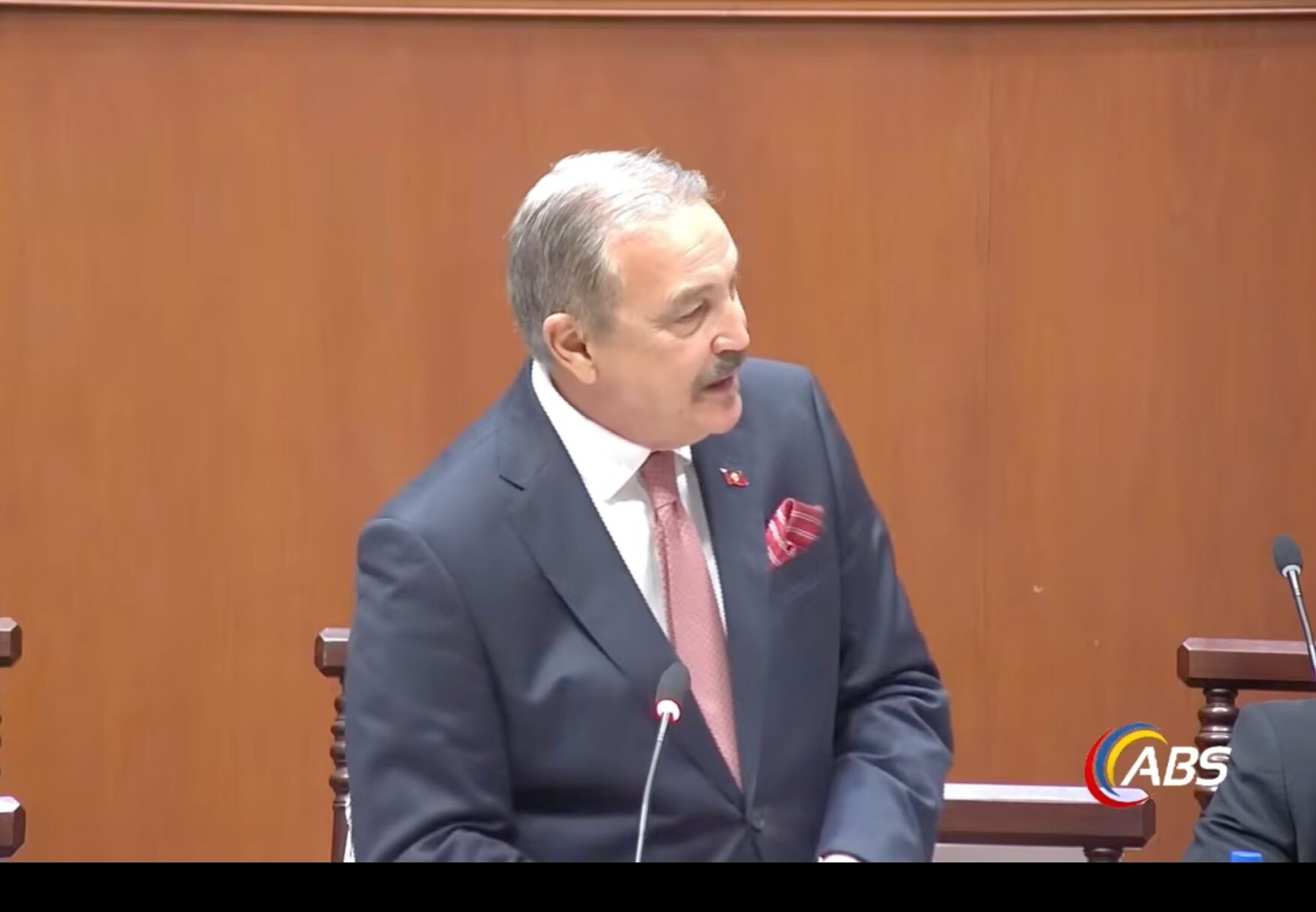
As the Caribbean nation of Antigua and Barbuda enters sensitive negotiations with the United States over the potential transfer of third-country nationals, its top tourism official has emphasized the urgent need for careful strategic balancing between defending national sovereignty and preserving the country’s economic lifeline: tourism. Tourism Minister Charles Fernandez delivered these remarks during a parliamentary debate on a framework resolution outlining core principles to guide the upcoming talks, warning that a breakdown in negotiations could trigger catastrophic damage to the small island nation’s tourism-reliant economy.
Fernandez stressed to sitting lawmakers that Antigua and Barbuda cannot dismiss the hard economic realities that define its relationship with the United States, which stands as the country’s single largest source of international tourism. “The point I’m making is yes, might is right,” Fernandez told the legislative body, noting that the country must pursue a pragmatic, measured approach to talks while still upholding its core national interests.
Current economic data places tourism’s contribution to Antigua and Barbuda’s gross domestic product between 60 and 65 percent, a share that makes protecting the industry from avoidable risk a top national priority. Fernandez outlined a key leverage point the United States holds in the negotiations: Washington has the authority to block U.S. air carriers from operating routes to Antigua and Barbuda, a move that would cut off the primary flow of visitor arrivals to the country.
That scenario, he warned, would deliver an devastating blow to the national economy. “If we lose our tourism, 60, 65 percent of GDP [would go] down the drain,” he said. The economic fallout would not be limited to large hotel operators, Fernandez added. Thousands of working-class Antiguans and Barbudans employed across the wider tourism ecosystem – including restaurant teams, local tour guides and activity operators, transport workers, and other service providers whose livelihoods are entirely tied to visitor spending – would also see their incomes and job security put at risk.
Against this backdrop, Fernandez argued that the government cannot take an extreme position on the talks: rejecting negotiations entirely is untenable, nor is it feasible to accept every proposal put forward by Washington. “So it is a balancing act,” he explained. “We have tried to strike a balance whereby we can stand up and say with dignity and pride, this is what we obtained, this is what we asked you to put into the agreement and that is what we’re looking for.”
To contextualize the challenges small island states face when negotiating with major global powers, Fernandez referenced Antigua and Barbuda’s years-long World Trade Organization dispute over online gaming with the United States. Even after securing a WTO ruling that favored Antigua and Barbuda’s position, the country still faced significant, sustained pressure from Washington, he recalled. That prior experience, he said, clearly demonstrates the unique challenges small nations face in talks with much larger partners, and reinforces the need for a deliberate, strategic approach rather than rash action.
In addition to laying out his position on the negotiations, Fernandez also criticized Opposition Leader Jamale Pringle for choosing not to participate in the key parliamentary debate. He characterized the negotiation framework as an issue of critical national importance that requires input and perspective from all parliamentary blocs to ensure the best outcome for the entire country.