Across the Caribbean region, trade unions are facing a growing call to expand their traditional mandate beyond negotiating wages and improving working conditions to prioritize human rights protections and guard workers against systemic discrimination. This urgent appeal emerged as a central takeaway from a recently completed three-day capacity-building workshop hosted in Antigua, which gathered union leaders and representatives from marginalized interest groups to assess the rollout of the International Labour Organization (ILO) Convention 190.
Organized collaboratively by global labor federation Public Services International (PSI) and the FNV Rainbow Network, the workshop was designed to equip public service trade unions across the Caribbean with the tools to tackle violence and harassment in workplaces, while advancing equal rights for LGBTIQA+ workers in the region.
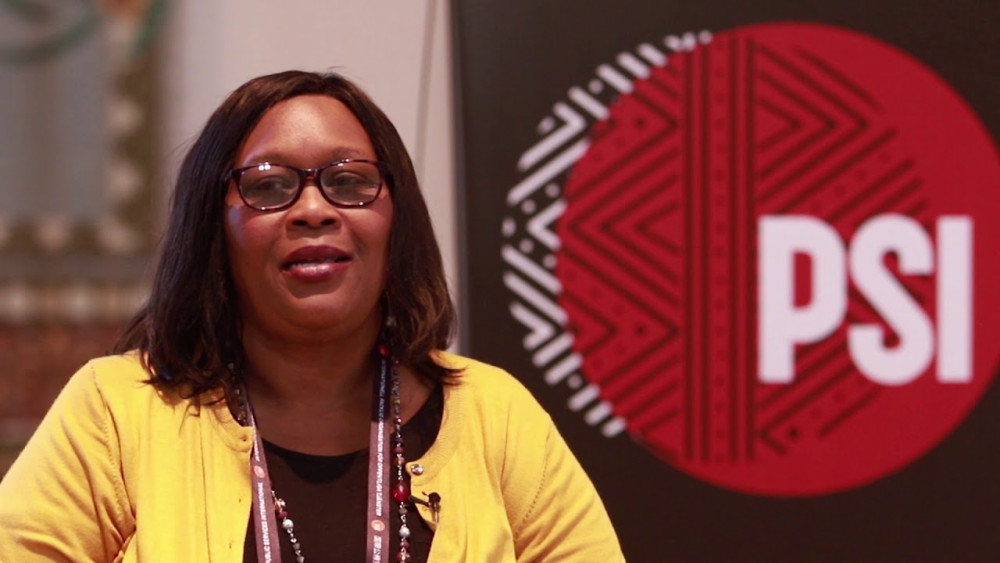
In a post-workshop interview, Sandra Massiah, PSI’s Sub-Regional Secretary for the Caribbean, outlined that a persistent gap in the Caribbean labor movement is the lack of sustained attention to human rights issues, particularly systemic discrimination against marginalized worker groups.
“Having delivered these workshops across multiple Caribbean islands, I’ve seen firsthand that many unions still do not devote the level of focus to human rights issues that these problems demand,” Massiah explained. She noted that deep-seated cultural and religious conditioning often acts as a barrier to union representatives recognizing the full spectrum of discrimination, with many biased acts stemming from unconscious prejudice that goes unaddressed.
“Deeply ingrained indoctrination, whether rooted in religious beliefs or cultural norms, often clouds understanding of what constitutes discrimination. In most cases, this bias is unconscious, and addressing that hidden prejudice is the first critical step we need to take,” she said.
Massiah emphasized that building truly inclusive workplaces and representative union movements requires more than just a working knowledge of formal labor legislation. It demands intentional investment in developing the awareness, open-minded attitudes and practical skills necessary to confront entrenched prejudice and guarantee that every worker is treated with dignity and equal respect.
The three-day workshop delivered specialized training on the provisions and requirements of ILO Convention 190, with the specific goal of boosting the training and leadership capacity of local trade unionists. This targeted upskilling will enable Caribbean unions to independently educate their own membership on anti-discrimination and anti-harassment standards moving forward, reducing reliance on external support.
Attendees also participated in a detailed review of Antigua and Barbuda’s draft legislation aimed at preventing sexual harassment and violence in workplaces. The draft bill was compared side-by-side with Convention 190 and its official accompanying recommendations to identify gaps and areas for improvement before the legislation is brought to a vote in the national parliament.
Massiah noted that the timing of the workshop was uniquely opportune, giving regional union representatives a chance to draft evidence-based recommendations and build advocacy strategies to push for final legislation that aligns fully with the international standards Antigua and Barbuda already committed to uphold when it ratified Convention 190.
She also commended the high level of engagement from all attendees, which included shop stewards and executive leaders from the Antigua and Barbuda Workers’ Union. Massiah highlighted that the open dialogue observed during the event signals a growing willingness within the regional labor movement to tackle topics that were long considered off-limits.
“Conversations are happening now. People are openly discussing issues that were once taboo in trade union circles. That means we are making tangible progress, and this is a foundation we will keep building on,” she said.
Looking ahead, Massiah expressed optimism that this workshop represents another important milestone in the journey to help Caribbean trade unions evolve into stronger, more inclusive advocates. Beyond fighting for better compensation and working conditions, she said, the shift toward a broader human rights focus will help create workplaces that are free from violence, harassment, and discrimination for every worker, regardless of identity.