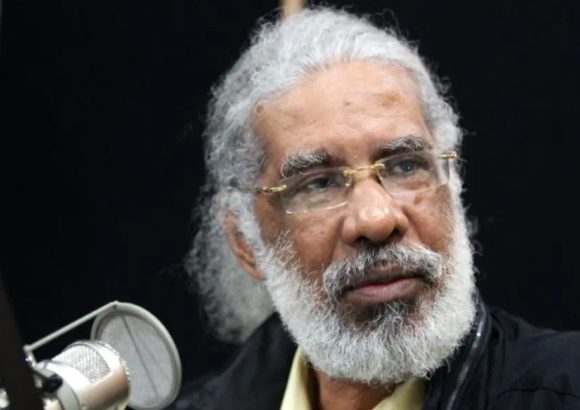
In the capital city of the Dominican Republic, Santo Domingo, the head of one of the nation’s largest public transportation organizations has issued a stark warning that a fare increase for riders across the greater metropolitan area may be unavoidable in the coming weeks. Juan Hubieres, president of the National Federation of New Transportation Option (Fenatrano), stated that his organization has repeatedly intervened to block affiliated drivers from raising fares over the past several months, even as global and domestic fuel costs have climbed steadily. But growing financial strain on independent transport operators has pushed the union to the edge, he said, and leadership may soon lose the ability to hold back price hikes. For months, Fenatrano has chosen to absorb inflated fuel costs rather than pass extra expenses to commuters, who already grapple with rising daily living costs across the country. Now, however, that buffer has been exhausted, Hubieres explained, as independent operators continue to see their profit margins shrink against elevated fuel expenses. Beyond just blaming global market trends, Hubieres levied sharp criticism at the Dominican government’s current fuel regulatory framework, claiming that domestic fuel prices are marked far higher than the average price seen on global commodity markets. To avoid passing costs onto everyday passengers, the union leader laid out a series of clear policy demands for national authorities. First, Hubieres called for the government to expand the existing Bonogás subsidy program, which provides financial support to public transport drivers to offset fuel costs. Second, he pushed officials to follow through on long-overdue pension commitments to retired workers in the transportation sector, a promise that has remained unfulfilled for years. Beyond sector-specific demands, Hubieres also called for broader economic policy reforms to ease pressure on working- and middle-class Dominicans. He urged the government to reduce the overall tax burden for low- and middle-income households, and proposed reallocating the tax burden to large corporate and mining entities that currently benefit from heavily subsidized fuel. Reversing current subsidies for large actors and applying new taxes to their fuel use, he argued, would generate enough government revenue to offset cuts to working-class taxes and fund expanded support for public transportation. Hubieres closed by warning that unaddressed economic pressure across critical sectors like public transport will not just lead to higher fares for commuters – it will also fuel growing social discontent across the country. He reiterated that Fenatrano will continue pressing authorities to implement targeted measures to cut operating costs for public transport operators, to protect both drivers and riders from the impact of soaring fuel prices.