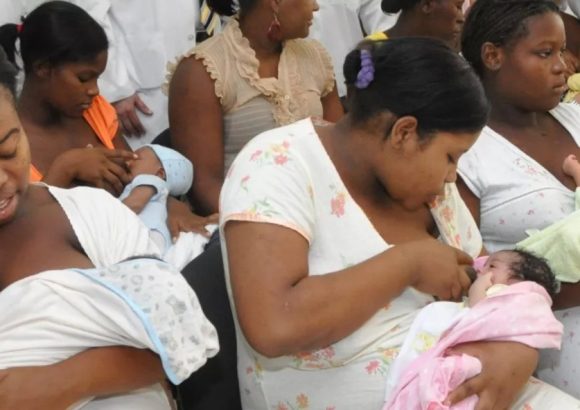
In a recent televised interview on RNN Channel 27’s weekly current affairs program *Esferas de Poder*, hosted by journalist Federico Méndez, Dr. Martín Ortiz, National Director of Maternal, Child, and Adolescent Health at the Dominican Republic’s National Health Service (SNS), has outlined major demographic and systemic shifts in the country’s maternity care landscape, driven by newly implemented migration controls and years of public health infrastructure upgrades.
Ortiz confirmed that tightened migration regulations introduced between March and April last year have driven a dramatic decline in the share of total annual births attributed to Haitian mothers. Prior to the policy rollout, 2024 data showed Haitian women accounted for 37% of all births in the country — meaning 37 out of every 100 newborns delivered in Dominican hospitals were born to Haitian nationals. Within months of enforcement, that share has fallen sharply to 24%, translating to 16,500 fewer births to Haitian women over the past year.
The policy adjustment was implemented to address longstanding overcrowding in the country’s largest maternity facilities, where Haitian patients had come to make up a disproportionate share of visits, crowding out local Dominican women seeking care. Ortiz noted that since the controls took effect, access for Dominican women has improved dramatically at major facilities including the Nuestra Señora de la Altagracia Maternity Hospital and the San Lorenzo de los Minas Maternity Hospital. He emphasized that the SNS still provides emergency and necessary care to all patients who arrive at its facilities, regardless of immigration status, and the reduction in service volume is a direct result of lower cross-border migration rather than a blanket denial of care.
Beyond the shifts driven by migration policy, Ortiz detailed years of sustained progress across multiple domains of maternal and child public health. Over the past six years, the Dominican government has invested heavily in upgrading health infrastructure, completing renovations for more than 200 large hospitals and nearly 2,500 primary care units across the country. This decentralized expansion has helped reduce overcrowding at major urban facilities by routing routine care to local community clinics. The SNS has also rolled out universal insurance acceptance across all public hospitals and upgraded diagnostic imaging laboratories with high-resolution equipment to cut wait times and improve same-day care outcomes.
One of the most notable achievements highlighted by the health director is a more than 50% reduction in adolescent birth rates nationwide. Using 2019 as a baseline, when roughly 32,000 teenage girls gave birth annually (accounting for 24% of all national births), that number fell to 16,000 last year, a 50% drop in absolute terms. In the first half of this year alone, the country recorded 1,000 fewer teen births than in the same period last year, with the overall share of teen births falling from 24% of total national births to 18.7%. This progress has been supported by the opening of 39 specialized comprehensive care units to meet the sexual and reproductive health needs of adolescent populations across the country.
Ortiz also addressed broader national fertility trends, noting that the Dominican Republic’s overall birth rate has declined to a global-aligned average of roughly 2.1 children per family, a stark contrast to neighboring Haiti’s rate of 8 children per family. He flagged ongoing challenges, including a persistently high rate of premature births, which remains the leading contributor to neonatal mortality within the country’s first 28 days of life. Even so, the country has recorded significant improvements in overall infant and maternal mortality, driven by expanded neonatal and pediatric intensive care capacity, upgraded facility infrastructure, enhanced staff training, and broader vaccination coverage.
In line with the declining share of births to Haitian mothers, the proportion of national maternal mortality involving Haitian women has also fallen sharply: from 56% in 2024, to 52% last year, and to 33% today following the decline in birth volume among Haitian patients.