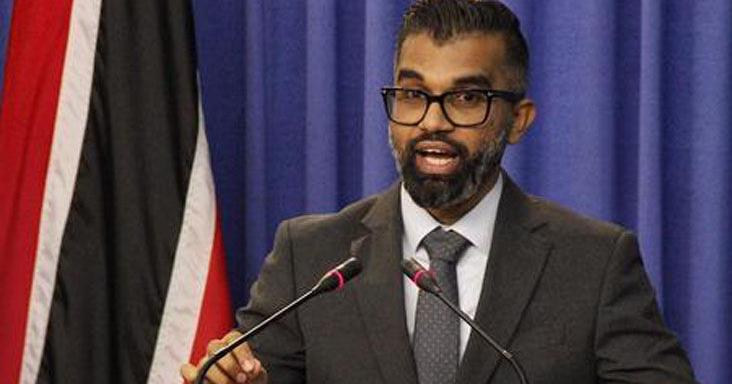
A high-stakes political and legal controversy is unfolding in Trinidad and Tobago after the national Cabinet revoked controversial land lease approvals for private company Blue Waters Products Ltd, with Attorney General John Jeremie, SC, referring the entire matter to national police for criminal investigation. A senior government official confirmed the developments to local outlet the Express this week, shedding light on years of questionable political maneuvering surrounding the 450-acre prime property at Orange Grove Estate.
Blue Waters Products Ltd, a local water company, is owned by businessman Dominic Hadeed and his wife Genevieve. The couple was arrested at their Westmoorings residence on June 24, 2026, during an ongoing police probe into allegations of a conspiracy to assassinate Prime Minister Kamla Persad-Bissessar, Attorney General Jeremie, and other senior government officials, alongside alleged breaches of the country’s Emergency Powers Regulations.
The land dispute traces back to 1995, when the property was first leased to global French spirits conglomerate Pernod Ricard. Blue Waters acquired Pernod Ricard’s local assets in 2007, and has held ongoing negotiations with every consecutive national government over formal renewal of the expiring leases ever since. Questions about irregularities in the approval process were first raised publicly by current Minister of Lands and Legal Affairs Saddam Hosein during the 2025 national budget debate in October 2025.
Hosein told Parliament that the previous People’s National Movement (PNM) administration rushed through approval of the Blue Waters leases during its final Cabinet meeting on April 17, 2025, just 11 days before the April 28 general election. He detailed that on April 27, 2025—the night before election day—a former PNM general election candidate who worked in the then Office of the Attorney General sent a WhatsApp voice note instructing civil servants to move forward with processing the lease, even before official paperwork could be routed through the proper approval channels. Hosein noted the instruction came directly from then-Attorney General Camille Robinson-Regis.
According to Hosein’s parliamentary testimony, internal irregularities plagued the lease approval process for years before the rushed final approval. Two separate commercial parcels, labeled C1 and C2, were up for lease: in 2019, the PNM Cabinet cut the lease price for C1 in half, while for C2, the approved premium of $50 million was reduced to an offered price of just $22.1 million. Public servants raised red flags over these discrepancies, and no formal lease documents were drafted between 2019 and 2022. Most notably, Hosein said the 2025 final approval relied on a property valuation conducted back in 2010, a decade and a half prior, which drastically undervalued the prime land in 2025 market conditions.
“Why rush the approval the night before a general election?” Hosein asked Parliament. “They knew they were likely to lose power, and they pushed this through before leaving office.” At the time, Hosein publicly called on Attorney General Jeremie to launch a formal review, warning that irregular dealings over public land could not be hidden from public scrutiny.
In June 2026, during a parliamentary debate on extending the national state of emergency, Jeremie confirmed the matter had been escalated to the Commissioner of Police, framing the irregular approvals as part of a broader pattern of unchecked corrupt activity under the previous administration. “This is not simply white-collar crime,” Jeremie told Parliament. “The previous government turned a blind eye to blue-collar crime and the expanding grip of special interest groups on our public institutions.”
In a sworn affidavit filed on July 3, 2026, Hadeed has pushed back against the government’s actions, arguing the land lease dispute is politically motivated retaliation. Hadeed claims that after acquiring the property in 2007, Blue Waters remained in occupation and invested millions of dollars in developing the land based on repeated assurances from successive governments that formal leases would be granted. He notes that three separate previous Cabinets—including prior administrations led by the current ruling party—already approved offers and amendments to the leases between 2019 and 2022. Hadeed maintains that binding legal agreements already exist between Blue Waters and the State, supported by written offer letters from the Commissioner of State Lands, formal acceptance of the terms, and full payment of all required premiums and processing fees.
Most notably, Hadeed argues the government’s decision to revoke the leases came just weeks after he publicly criticized the administration over tax policy and delayed VAT refunds at a public Trinidad and Tobago Manufacturers’ Association event on March 25, 2026. Hadeed told attendees that the government takes a large share of business earnings without contributing proportional investment, and called on ministers to improve engagement with the private sector—comments that received widespread media coverage across the country. Less than two months later, on May 5, 2026, Minister Hosein formally notified Hadeed that Cabinet had voted to rescind all previous lease approvals for Blue Waters and its associated holding companies, OG C1 Property Ltd and OG C2 Property Ltd. That same day, Attorney General Jeremie notified Hadeed that all matters related to the lease approvals had been referred to police for criminal investigation.
Hadeed moved quickly to mount a legal defense, retaining four senior Trinidadian attorneys including Ramesh Lawrence Maharaj to challenge the government’s actions. His legal team sent a formal pre-action protocol letter to the Attorney General on June 22, 2026—just two days before Hadeed and his wife were arrested in connection with the alleged assassination conspiracy. The letter asserts that Blue Waters and its owners acted in good faith at all times, in full compliance with national law, and hold binding, enforceable lease agreements with the State.