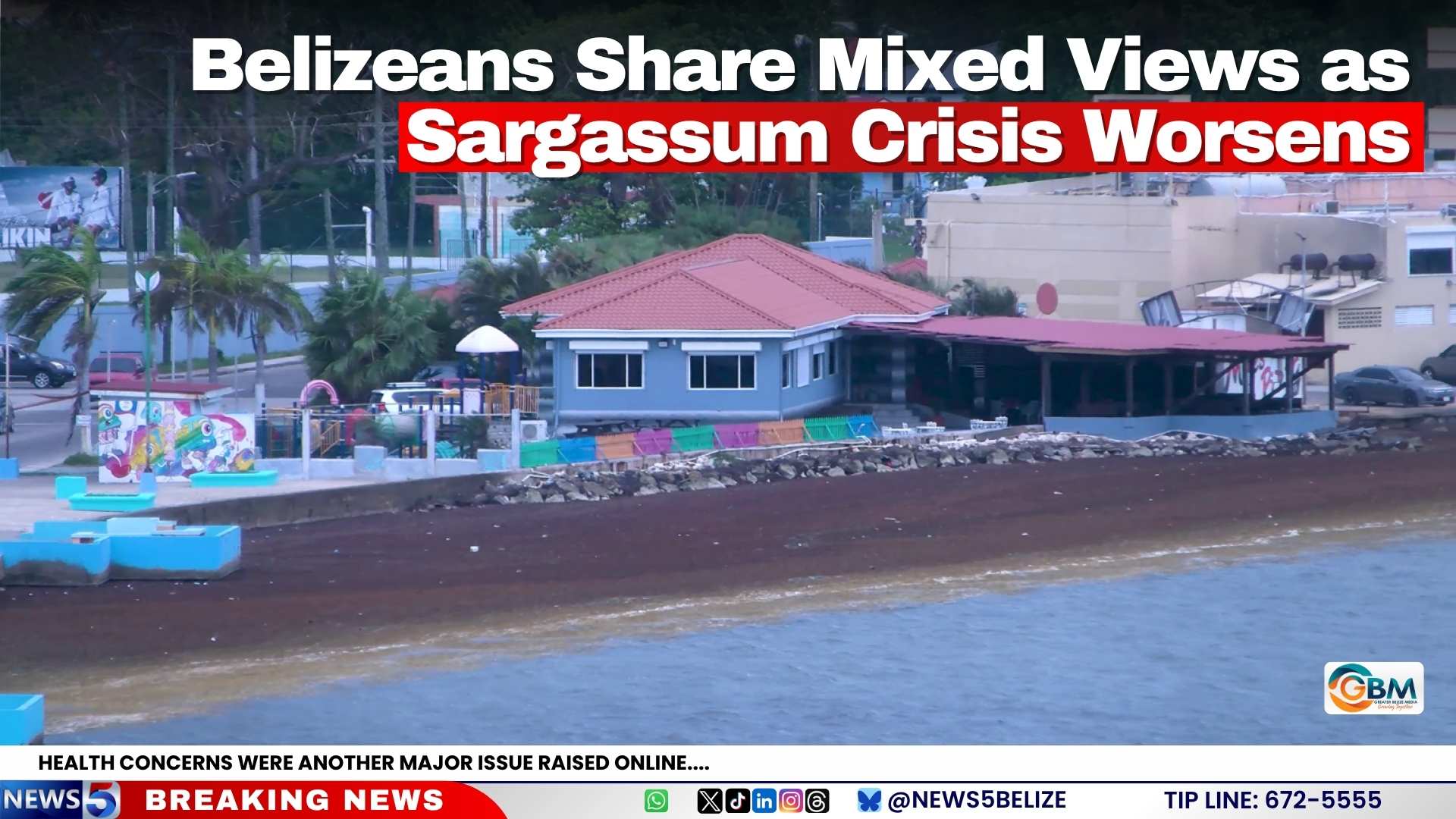
July 10, 2026 — A growing environmental emergency is unfolding along Belize’s coastal edges, where massive accumulations of sargassum seaweed continue to wash ashore, sparking fierce public debate over how the Central American nation should address the escalating crisis.
While invasive sargassum blooms have long plagued Belize’s shorelines, residents across the country agree the current buildup has reached unprecedented levels that demand immediate, coordinated intervention. After local outlet News 5 shared coverage of the crisis across its social media platforms, hundreds of viewers weighed in, laying out a wide spectrum of concerns, innovative proposals, and growing frustrations with official handling of the issue.
A large bloc of social media commenters argued that the country should reframe the sargassum surplus from a costly waste problem to an untapped economic resource, rather than simply disposing of collected seaweed. Proponents have put forward a range of practical, revenue-generating uses for the organic material, including land reclamation, natural compost and agricultural fertilizer, biofuel production, and the development of new commercial industries that could create much-needed local jobs.
One online commenter went so far as to frame the influx as a hidden benefit for Belize City, suggesting that harvested sargassum could serve as a low-cost landfill material to fill in unstable swampy areas for development. Other contributors pointed to successful international projects that have turned sargassum into marketable goods, from eco-friendly building materials to sustainable agricultural inputs, as replicable models for Belize to follow.
Beyond repurposing, many residents have pushed for proactive preventative strategies to cut down on the volume of sargassum that reaches populated shorelines. Top proposals include deploying floating barriers, containment booms, and intercepting nets in high-risk offshore areas to catch the drifting seaweed before it can wash up onto public beaches and into residential communities.
Public health risks have also emerged as a core point of worry for local communities. Many residents have raised alarms about the hazards posed by large, rotting piles of sargassium stored near residential areas, particularly the toxic hydrogen sulfide gas released by decomposing seaweed and the elevated risk of chronic respiratory problems for people living nearby.
Yet for all the proposed solutions, a significant share of public feedback has centered on anger at perceived government inaction. Dozens of residents, especially those living in long-affected regions including multiple cayes and coastal communities in southern Belize, have lashed out at what they call a months-long delay in responding to the bloom.
In a typical rebuke shared online, one commenter questioned the sudden urgency among officials, writing: “Oh so NOW you scramble? After it’s already done its damage for 5 months on the cayes?”
As the sargassum continues to drift ashore and degrade popular coastal ecosystems that power Belize’s key tourism industry, the public remains deeply divided: one faction frames the crisis as an unexpected opportunity to drive green innovation and economic growth, while the other demands urgent, large-scale intervention to mitigate the immediate environmental, economic, and public health damage of the ongoing bloom.