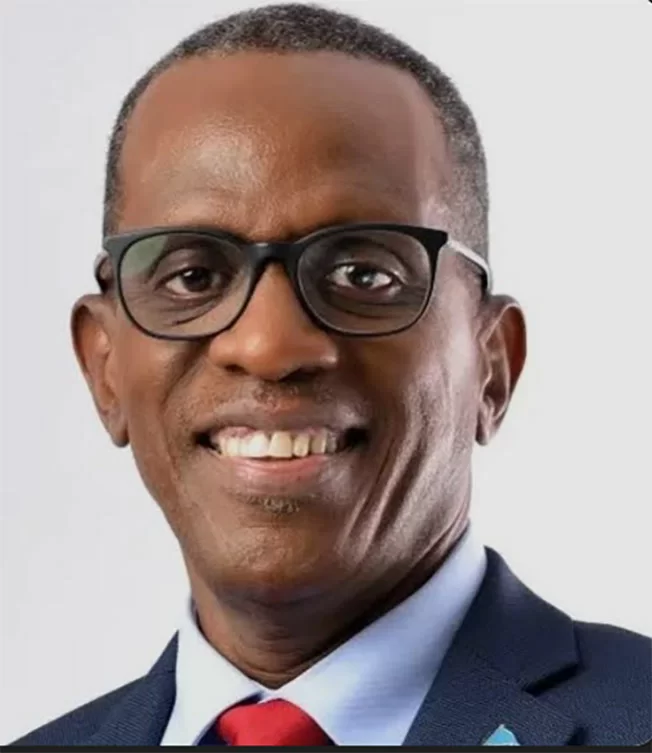
When Saint Lucia Prime Minister Philip Pierre took the helm of the Caribbean Community (Caricom) as its new chair on July 7, he brought a clear mandate to shift the 53-year-old regional bloc from bureaucratic rhetoric to tangible, community-focused progress that improves daily life for Caribbean people.
Pierre delivered his first policy address as chair Sunday evening at the opening ceremony of Caricom’s 51st Regular Meeting of Heads of Government, hosted in his home country of Saint Lucia. In his opening remarks, he framed his tenure around a simple but urgent question that he says echoes across every corner of the region: “What can Caricom do for me?”
Far from being a criticism of the regional integration body, Pierre emphasized that this question reflects the genuine, pressing concerns of Caribbean citizens navigating overlapping daily crises. Across the bloc, residents grapple with soaring food and energy costs, worsening climate impacts including more intense hurricanes and erratic rainfall patterns, and rising public anxiety over violent crime. To address these challenges, Pierre argued, Caricom must step out of closed conference rooms and embed its work directly in the communities it serves.
“Caricom must move from conference halls to communities, from rhetoric to reality, and from closing statements to concrete results,” Pierre said. “Integration that our people cannot feel will not be sustainable in the long run.”
Under his six-month chairmanship, every policy decision made by Caricom will be measured by one core standard: whether it tangibly improves the lives of ordinary Caribbean residents. Rejecting the status quo of reaching headline agreements that never get implemented, Pierre stressed that actionable, measurable outcomes must replace empty procedural milestones. “It is not enough for heads of government to reach consensus; agreements must be delivered, and they must deliver results that people can see,” he added.
Unifying the bloc’s 15 member states is the top priority for Pierre’s tenure. The prime minister noted that global powers have long exploited divisions within the Caribbean to advance their own interests, but collective, unified action as a single negotiating bloc dramatically boosts the region’s global influence. He pledged to ensure no member state feels sidelined or overlooked during his leadership. “Every voice matters. Every member state counts. Every citizen must see themselves reflected in the work of Caricom,” he said.
Beyond unity, Pierre laid out five additional core priorities for the coming six months: strengthening regional security, advancing global advocacy for climate justice, driving inclusive post-crisis economic recovery and growth, boosting regional food and nutrition security, and expanding opportunities for youth, women, and marginalized vulnerable groups.
He also called for accelerating implementation of the Caricom Single Market and Economy (CSME), an initiative designed to break down trade and movement barriers across the region. To advance deeper integration, Pierre pushed for addressing longstanding obstacles including inadequate cross-island transportation links, called for targeted support for the region’s critical agriculture and fishing sectors, and advocated for coordinated regional preparation to harness emerging technologies, including artificial intelligence.
A central throughline of Pierre’s agenda is elevating the role of young people across Caricom’s work. With roughly 60% of the bloc’s 16 million total residents under the age of 30, Pierre argued that the future of Caricom depends on earning young Caribbean people’s engagement and trust. “Young people are asking whether Caricom cares about their future, and we have to answer that question with action, not slogans,” he said.
Finally, Pierre called for increased resourcing and public transparency for Caricom’s existing institutional bodies. These agencies already deliver critical work across public health, disaster response, education, security, and economic development, he noted, but the general public remains largely unaware of their impact. Strengthening these institutions and improving public outreach will help make Caricom’s work more visible to the communities it serves.
Founded on July 4, 1973, with the signing of the Treaty of Chaguaramas, Caricom today counts 15 full member states and seven associate members, representing a combined population of approximately 16 million people across the Caribbean region.