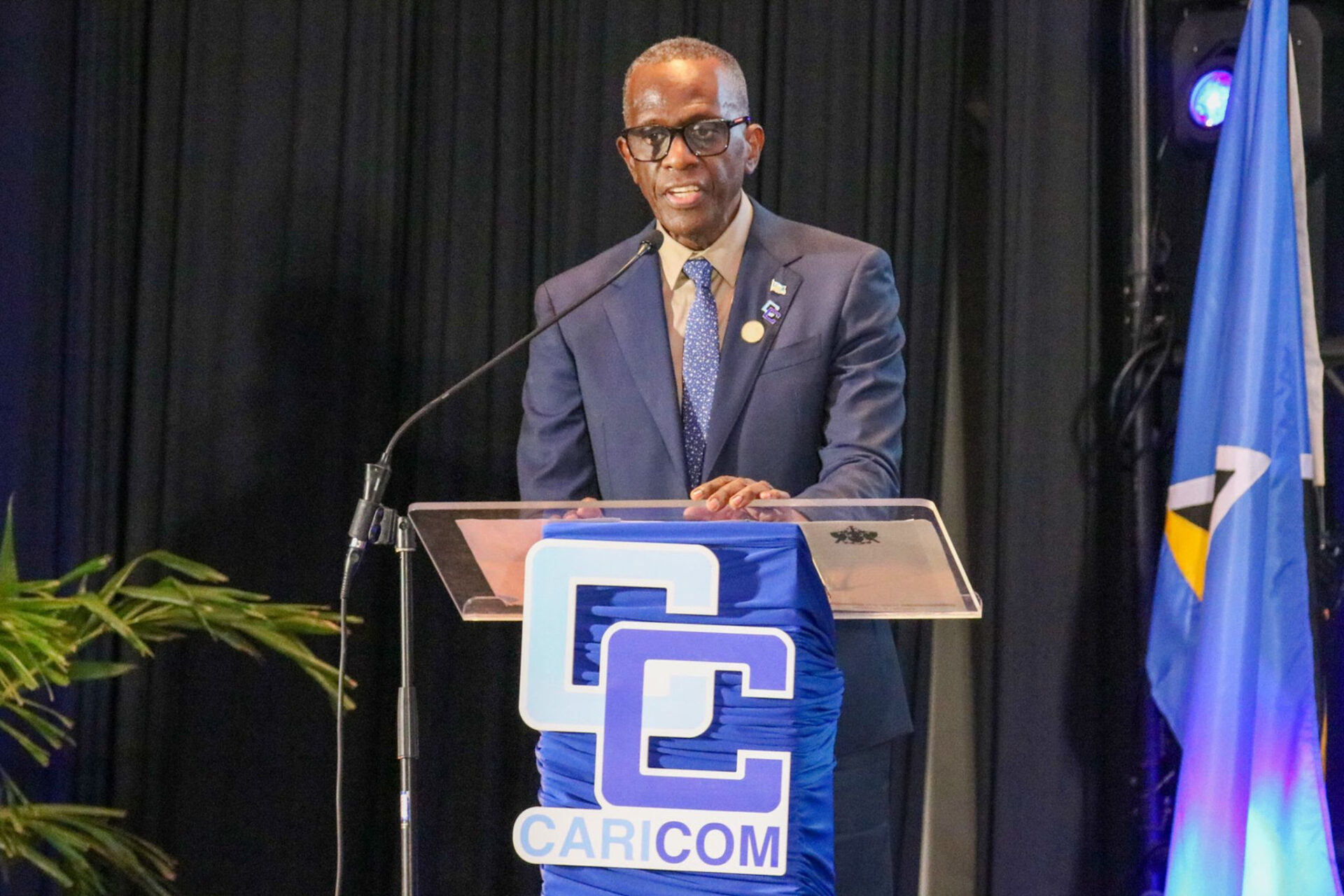
On July 1, Saint Lucian Prime Minister Philip J. Pierre officially took over the rotating chairmanship of the Caribbean Community (CARICOM), and just days later, he laid out a bold, people-centered vision for his tenure at the opening of the bloc’s 51st Regular Conference of Heads of Government, held at Sandals Grande Saint Lucian on July 5. In his opening address, Pierre emphasized that the regional integration project that has long defined CARICOM must now deliver tangible, visible improvements to the daily lives of ordinary Caribbean citizens, responding to a widespread, sincere question he says is on the lips of people across the region: “What more can CARICOM do for me?”
Pierre stressed that this question is not an attack on the 50-plus-year-old regional bloc, but rather a genuine call for action to address the most pressing challenges facing Caribbean communities today. These pressing issues include soaring global food and energy costs that have strained household budgets, increasingly intense and frequent hurricane seasons amplified by climate change, erratic rainfall patterns that disrupt agricultural production, lasting climate impacts on small-scale farming and fishing communities, and growing public anxiety over rising violent crime.
Against this backdrop, the new chairman argued that CARICOM must shift its focus from abstract policy debate in conference rooms to on-the-ground implementation that directly improves community well-being. In a memorable framing of his approach, Pierre said: “It must move from conference rooms to communities; from rhetoric to reality; from communiqués to results.” He outlined a vision for a CARICOM that prioritizes people over procedure and results over rhetoric, noting that his chairmanship will be accountable not just to member state governments, but to the ordinary citizens that CARICOM was founded to serve.
For Pierre, policy agreement is no longer sufficient—every major decision made by the bloc must be measured by the concrete difference it makes in daily life, and all commitments must be followed through. “It is not enough for our decisions to be recorded. They must be acted upon, measured, and followed through. My mantra is simple: Integration that our people cannot feel will not last,” he told assembled leaders.
Strengthening regional unity sits at the top of Pierre’s priority list during his tenure, as he argued that collective action gives the Caribbean far more global clout than individual small island states can wield alone. He also committed to building a more inclusive CARICOM, ensuring that every member state, no matter its size, has an equal voice in the bloc’s work. “Every voice counts. Every nation matters. Every citizen must be able to see themselves reflected in the work of CARICOM,” he said.
Beyond unity and inclusion, Pierre laid out a broad policy agenda for his term that touches on nearly every facet of Caribbean life. Key priorities include boosting citizen security by addressing crime and violence, advancing global climate justice for small island developing states that bear the brunt of climate change despite contributing the least to emissions, driving post-pandemic and post-energy crisis economic renewal, strengthening regional food and nutrition security to reduce dependence on imports, and expanding representation for young people, women, and vulnerable groups in regional development processes.
A core institutional priority for Pierre will be deepening implementation of the CARICOM Single Market and Economy (CSME), a longstanding integration goal that has been held back by persistent cross-border barriers. His plan to advance CSME includes upgrading regional transportation infrastructure, expanding support for smallholder agriculture and artisanal fisheries, and helping member states capitalize on emerging technologies such as artificial intelligence to drive inclusive growth.
Youth engagement will also be a central pillar of Pierre’s chairmanship, as he warned that the long-term survival of the regional project depends on winning the buy-in of younger generations. Young people across the region are asking whether CARICOM can deliver a better future for them, Pierre said, and the bloc must answer that question with tangible action rather than empty slogans.
Finally, Pierre called for increased investment in and public awareness of CARICOM’s existing institutions, which he described as critical pillars of regional development and resilience. These institutions already deliver essential public goods across the region, from public health coordination and cross-border disaster response to educational collaboration, security information sharing, and economic development support, but greater public understanding of their impact is needed, he argued.