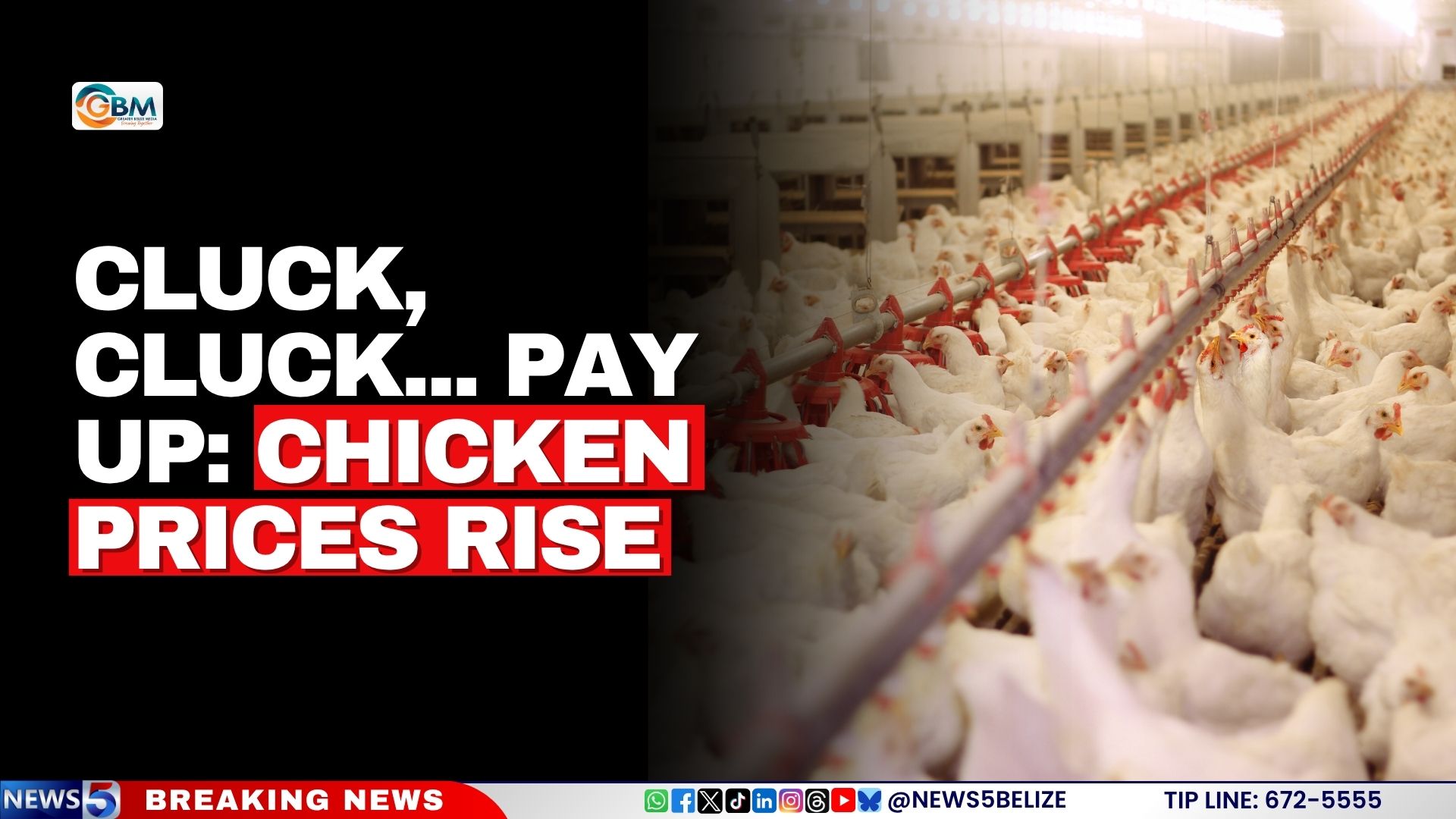
Starting Saturday, July 6 2026, consumers across Belize are facing higher price tags for one of the country’s most popular protein sources: chicken. The Belize Poultry Association, the leading industry body representing local poultry producers, has formally enacted a market-wide price adjustment prompted by sustained increases in core production expenses that have squeezed producer margins for months.
Under the new pricing structure, the cost of whole chicken will rise by 12 cents per pound, a change that went into effect immediately the day the announcement was released. Industry representatives explained that the adjustment is a direct response to escalating costs across every major input category for poultry farming. Key drivers include sharp upticks in the market prices of critical feed grains — corn and soybeans, which make up the bulk of chicken feed rations — as well as higher fuel costs for farm operations and transportation, and increased prices for specialized poultry premixes, the nutrient-dense additives required for healthy flock growth.
The price increases will not be limited to whole chicken, either. The association confirmed that all other poultry-based products will see corresponding price adjustments, with the size of the increase varying depending on the specific cut of meat or level of processing applied to the product. For example, pre-packaged cut chicken breasts, marinated processed portions, and specialty poultry products may see different percentage increases compared to whole bird offerings.
In a statement released alongside the pricing announcement, the Belize Poultry Association emphasized that the price hike was an unavoidable step to keep the local industry operational. Continued rising input costs had created unsustainable pressure on producers, the group noted, making the adjustment necessary to offset ongoing cost growth and maintain consistent supply of local poultry to Belizean consumers. The organization also closed its statement by thanking the Belizean public for its continued patronage and support of the domestic poultry sector, which is a core part of the country’s local food supply chain.