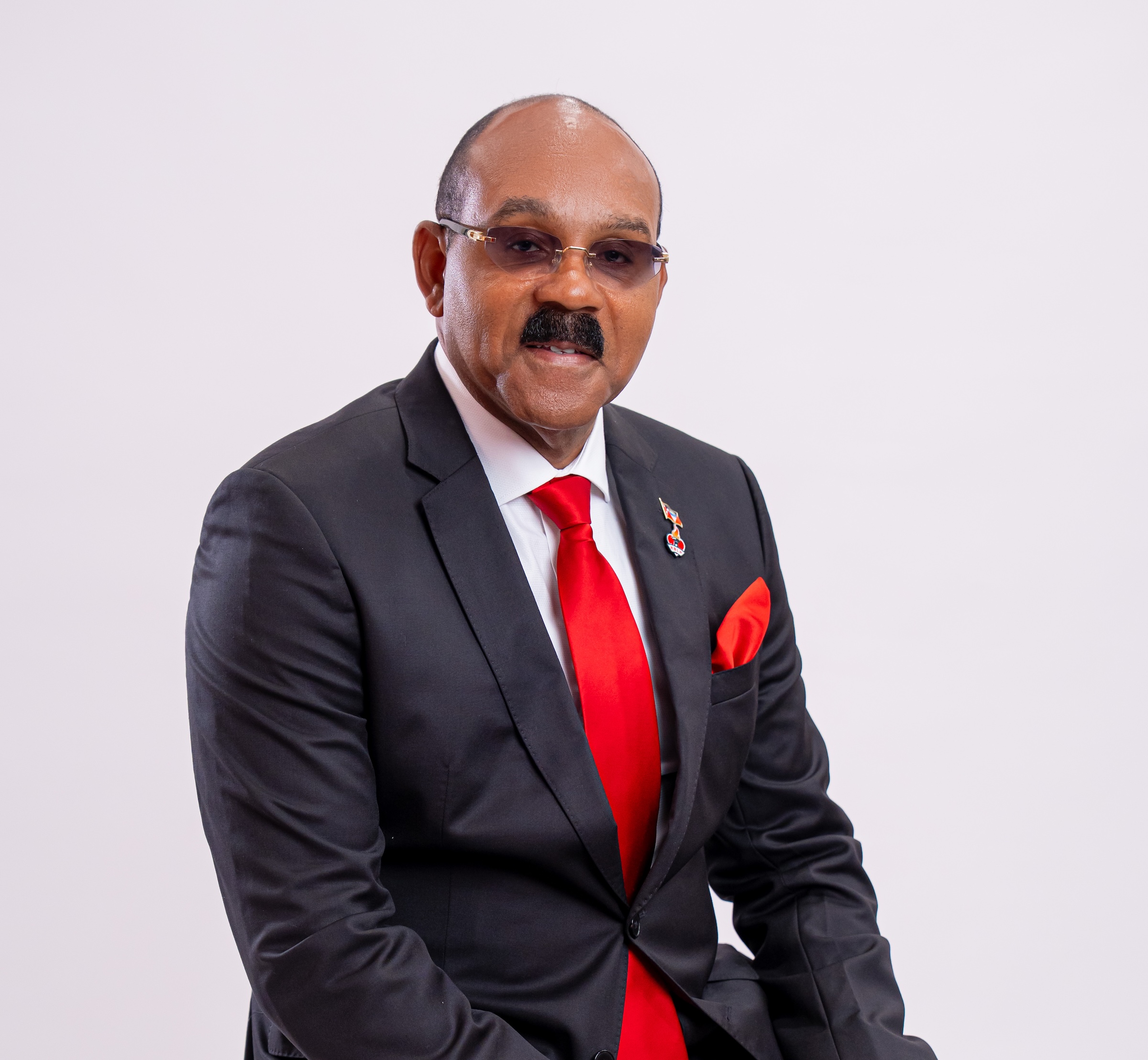
As the Caribbean Community prepares for one of its most critical annual gatherings, Antigua and Barbuda’s Prime Minister Gaston Browne is set to depart the country this Sunday for the Fifty-First Regular Meeting of the CARICOM Conference of Heads of Government, hosted in the coastal town of Gros Islet, Saint Lucia, running from July 5 to 8, 2026. Joining Browne on the trip are Clarence Henry, Antigua and Barbuda’s permanent ambassador to CARICOM, and Kurt Williams, a senior officer from the country’s foreign service.
This year’s conference will unite regional leaders from across the 15-member CARICOM bloc to tackle an ambitious slate of cross-cutting issues centered on deepening economic integration, accelerating sustainable development, shoring up collective security, strengthening public health systems, building climate resilience, and aligning foreign policy priorities across the region. The packed agenda covers core priorities ranging from advancing the long-stalled CARICOM Single Market and Economy (CSME) to addressing the urgent global challenges of climate change and climate financing, food and nutrition insecurity, and cross-border health threats. High on the discussion list are also the ongoing unstable political and humanitarian situations in Haiti and Cuba, institutional financing and governance reform for the CARICOM bloc, the global movement for reparations for historical slavery, outstanding regional border disputes, and formal membership applications from Bermuda and the Turks and Caicos Islands. Beyond policy priorities, leaders will also receive routine updates on key regional cultural and sporting initiatives, including the Caribbean Festival of Arts (CARIFESTA) and regional cricket development.
A centerpiece of this year’s agenda is the advancement of the CARICOM Agri-Food Systems Agenda, as leaders conduct a progress review of the bloc’s Vision 25 by 2025+5 Initiative. Launched to fundamentally transform regional food systems, the initiative aims to cut the Caribbean’s heavy reliance on imported food staples, strengthen household and national food and nutrition security, boost domestic agricultural output, expand intra-CARICOM agricultural trade, and build greater collective resilience to global external shocks. During the conference, heads of government will also debate policy measures to attract increased private sector investment into regional agriculture, strengthen cross-country agricultural cooperation frameworks, and speed up the implementation of programs designed to achieve full food self-sufficiency across all member states.
In prepared comments ahead of his departure, Prime Minister Browne emphasized the unique urgency of this year’s gathering, noting that the Caribbean is operating in a rapidly shifting global landscape defined by intensifying geopolitical tensions, persistent global supply chain disruptions, accelerating climate change impacts, and new emerging public health threats. “No individual CARICOM member state can effectively tackle these interconnected challenges alone,” Browne said. “Our greatest collective power comes from coordinated regional cooperation, aligned policy-making, and a shared commitment to advancing the interests of all Caribbean people. I am looking forward to working alongside fellow heads of government to develop practical, actionable solutions that strengthen food and nutrition security, build economic resilience across the region, deepen our integration project, and ensure the Caribbean is well-positioned to navigate the uncertainties of today’s global economy.” Browne reaffirmed that Antigua and Barbuda remains committed to playing an active role in shaping regional policies that drive inclusive sustainable development and improve quality of life for all Caribbean citizens.
In direct response to the ongoing Middle East conflict and its cascading impacts on global commodity markets, the CARICOM Secretariat has developed a new Regional Food Security Response Matrix, which will be reviewed and evaluated by conference attendees. The strategic framework outlines targeted measures to mitigate the fallout from rising global energy prices, fertilizer supply shortages, shipping and logistics disruptions, food price inflation, and broader macroeconomic pressures that threaten to undermine Caribbean food security. Key proposed actions in the matrix include ramping up domestic and regional food production, expanding the adoption of renewable energy for agricultural operations, establishing coordinated regional strategic food reserves, improving collective regional shipping and logistics arrangements, promoting targeted import substitution for key food staples, strengthening national social protection systems for vulnerable households, and deepening collaboration with international development partners to shield the region from external economic and supply chain shocks.
As a longstanding advocate for regional food sovereignty, increased agricultural productivity, resilient regional supply chains, and closer collective action to address global challenges, Prime Minister Browne is expected to be an active contributor to all discussions on food security priorities during the conference. In addition to food systems transformation, regional leaders will also turn their attention to strengthening regional health security and pandemic preparedness, in response to growing global concerns about emerging transboundary public health threats. Leaders will review a set of actionable recommendations put forward by the Caribbean Public Health Agency (CARPHA) focused on strengthening disease surveillance at regional ports of entry, improving cross-border coordination and real-time information sharing, upgrading national public health preparedness infrastructure, and expanding equitable access to medical countermeasures such as vaccines and treatments during outbreaks. These discussions come in the wake of the World Health Organization’s designation of the ongoing Ebola outbreak in parts of central Africa as a Public Health Emergency of International Concern, reflecting CARICOM’s proactive commitment to protecting the health and well-being of all Caribbean residents.
Throughout his tenure, Prime Minister Browne has been a consistent champion of deeper regional integration and coordinated collective action on the unique challenges facing Small Island Developing States, from climate change to economic vulnerability. His participation in this year’s conference creates another opportunity to advance Antigua and Barbuda’s core national interests while contributing to the development of collective regional solutions across priority areas including inclusive economic development, food and nutrition security, climate resilience, public health protection, cross-border security cooperation, and sustainable long-term growth. Following the conclusion of conference proceedings on July 8, Browne is scheduled to return to Antigua and Barbuda.