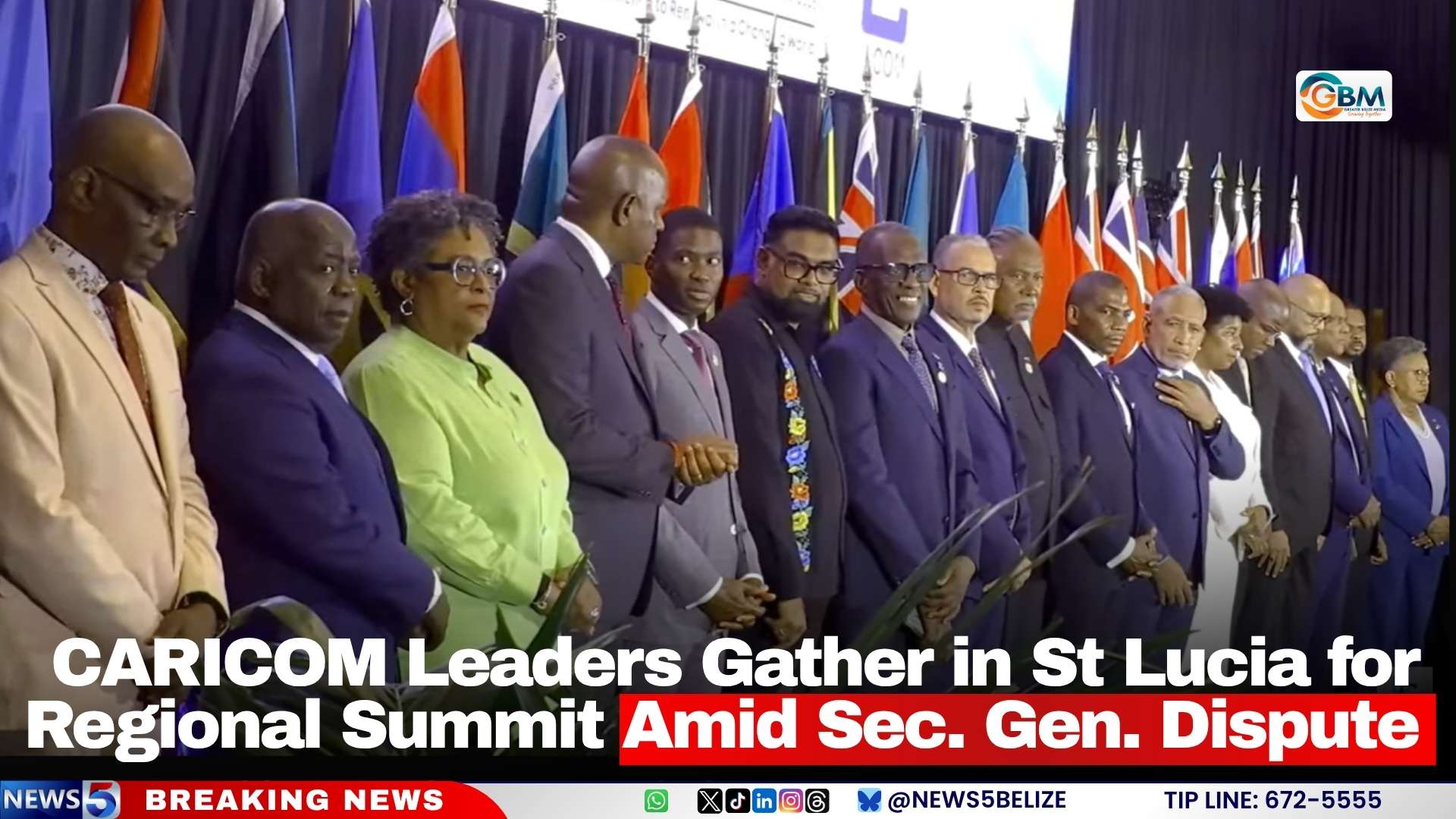
As the clock struck down on July 5, 2026, top political leaders from across the Caribbean Community (CARICOM) touched down in St. Lucia to kick off four days of high-stakes dialogue at the organization’s 51st Regular Meeting of the Conference of Heads of Government. This year’s gathering, which opened its doors on Sunday, brings together chief executives from all 15 CARICOM member states, with a packed agenda focused on tackling the region’s most urgent, long-running challenges.
Among the core priorities on the summit’s schedule are ambitious climate change adaptation and mitigation action, strengthening regional food and nutrition sovereignty and security, accelerating cross-border digital transformation, deepening integration of the CARICOM Single Market and Economy (CSME), and charting a path forward to resolve the persistent political and humanitarian crisis unfolding in Haiti.
To mark the start of the new summit cycle, St. Lucia Prime Minister Philip J. Pierre has taken over the rotating CARICOM chairmanship for the next six months, and will serve as the presiding officer for all formal meetings and negotiations over the course of the gathering.
Despite the broad alignment among member states on most key agenda items, the entire summit is expected to be overshadowed by a growing public dispute over the reappointment of CARICOM Secretary-General Dr. Carla Barnett, a Belizean-born economist. The controversy stems from a decision reached earlier this year: during a February special summit held in St. Kitts and Nevis, all member states issued a unanimous agreement to extend Barnett’s tenure for an additional five-year term. However, new Trinidad and Tobago Prime Minister Kamla Persad-Bissessar has publicly stated that her administration does not recognize the February extension decision, and confirmed she intends to formally raise the issue for debate during the St. Lucia summit.
Even with this high-profile disagreement hanging over the gathering, multiple senior regional leaders have privately and publicly downplayed concerns that the dispute will derail progress on the summit’s core policy agenda. Many have expressed confidence that delegates will be able to set the controversy aside to advance shared priorities that impact millions of people across the Caribbean.
The summit’s formal opening ceremony featured a diverse lineup of speakers, including new chairman Pierre, outgoing CARICOM chairman and St. Kitts and Nevis Prime Minister Dr. Terrance Drew, Secretary-General Barnett herself, and youth representative Rahym Augustin-Joseph, a Commonwealth Caribbean Rhodes Scholar, bringing a young generation’s perspective to the opening of the regional talks.