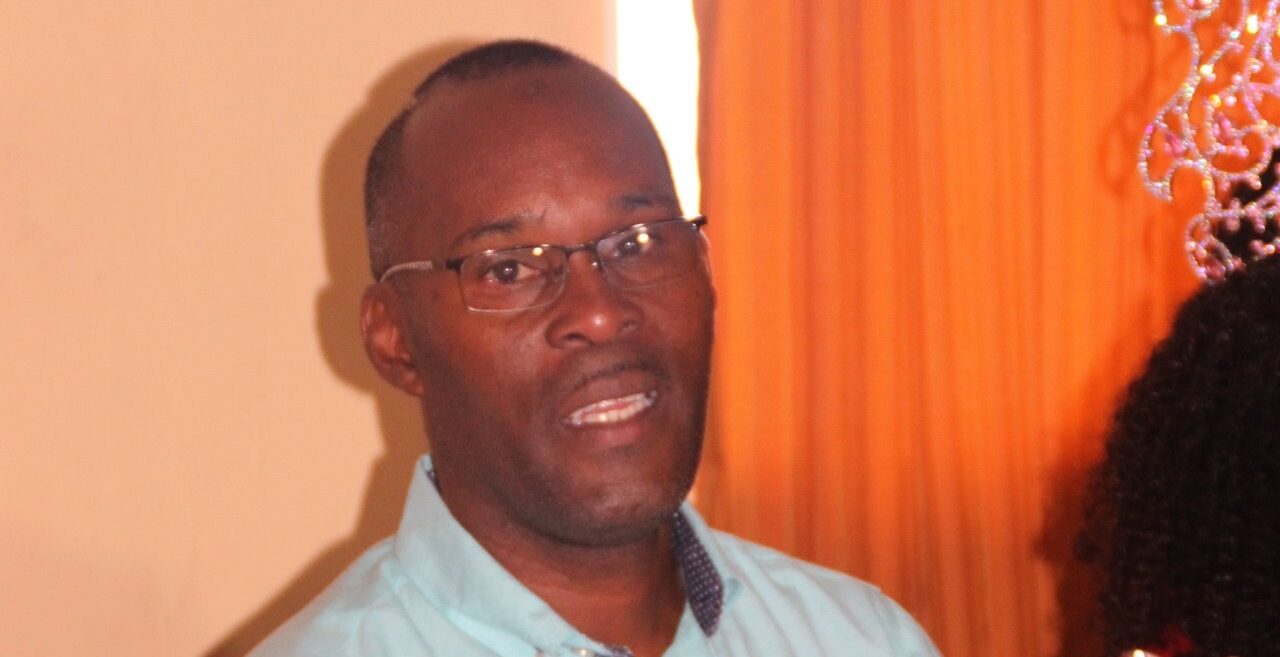
In the Caribbean nation of Dominica, a heated constitutional and political debate has erupted over the actions of House of Assembly Speaker Joseph Isaac, whose decision to speak at a rally for the ruling Dominica Labour Party (DLP) has exposed deep tensions between individual constitutional rights and the institutional requirement of political neutrality for senior public office holders.
The controversy began when Isaac joined DLP supporters gathered under the party’s red banners to address the crowd. As Speaker, Isaac holds a constitutional role tasked with presiding over parliamentary proceedings fairly and impartially, so his open appearance on a partisan ruling party platform immediately drew public outcry. In his defense, Isaac invoked Sections 10(1) and 11(1) of Dominica’s Constitution, which guarantee all citizens the fundamental rights to freedom of expression and freedom of assembly and association.
To understand the stakes of this dispute, it is necessary to contextualize both Isaac’s background and the constitutional framework governing his role. Appointed Speaker in 2020, Isaac has prior partisan affiliations with both the opposition United Workers Party and the ruling DLP. Dominica’s longstanding parliamentary conventions require the Speaker to act without fear, favor, affection or ill will toward any political group, treating all elected members equally regardless of party affiliation. Chapter I of the Commonwealth of Dominica Constitution enshrines core fundamental rights: Section 10(1) protects the right to hold opinions, share information and express ideas without interference, while Section 11(1) guarantees the right to associate with political parties and gather peacefully. Crucially, these rights are not absolute; the Constitution allows for reasonable restrictions justified by public order, national security or the rights and freedoms of other citizens.
Legally, Isaac’s defense holds surface merit. The text of Dominica’s Constitution extends these fundamental rights to all citizens, including public office holders, and no explicit statutory bar prohibits the Speaker from participating in partisan political events outside of parliamentary sittings. But constitutional permissibility does not erase the ethical and normative conflict at the heart of this case. Longstanding parliamentary norms across democratic systems hold that the Speaker must remain strictly neutral to preserve public trust in the integrity of legislative proceedings. In a small state like Dominica, where political divides are already sharply drawn, public alignment with the ruling party erodes public confidence that the Speaker will referee parliamentary debates fairly. Even in the absence of actual bias, the perception of partiality inflicts lasting damage on the credibility of parliamentary institutions.
What has amplified this controversy beyond a single officeholder’s actions are widespread allegations that the DLP government itself has systematically violated the very constitutional rights Isaac now invokes for himself. Opposition groups, civil society activists and ordinary dissenting citizens have repeatedly accused the administration of curtailing core fundamental rights protected in Sections 1 through 9 of the Constitution, ranging from freedom of peaceful assembly to freedom of the press and protection from arbitrary treatment.
Specific allegations include selective enforcement of public order rules to block opposition protests, with police regularly denying demonstration permits or dispersing anti-government gatherings; state control of major media outlets that marginalizes dissenting voices; targeted legal and administrative pressure on government critics; and widespread electoral irregularities that undermine citizens’ right to fair political representation. Many Dominican citizens report living in constant fear of state reprisal for open opposition to the DLP: retaliation ranges from intimidation by party surrogates on social media to being blocked from access to government scholarships, public health care, education opportunities and other state benefits, purely based on political affiliation. Critics argue this creates a glaring double standard: the DLP defends the Speaker’s exercise of constitutional rights when it serves the government’s political interests, while actively suppressing the same rights for ordinary citizens who oppose the ruling party.
From a constitutional perspective, any restrictions on fundamental rights must meet a strict test of being necessary and proportionate to a legitimate public aim. Critics note that the blanket, selectively enforced restrictions the DLP has allegedly imposed on opposition activity fail this test entirely, amounting to politically motivated suppression of core constitutional protections.
This controversy ultimately extends far beyond Joseph Isaac’s personal conduct. It cuts to a core principle of democratic governance: the equal application of constitutional rights to all citizens, regardless of political affiliation. While Isaac’s claim to his personal constitutional rights is legally grounded, the ethical question of whether he should exercise those rights in such a public, partisan way as Speaker remains unresolved. The Speaker, by virtue of their role as the neutral referee of parliamentary democracy, carries a special obligation to voluntarily limit some personal political expression to preserve institutional integrity. For the DLP government, the implication is clear: if the administration defends the Speaker’s right to political participation, it is bound by constitutional principle to extend that same right to all Dominican citizens, even those who oppose the government.
As things stand, the saga of Joseph Isaac and the DLP illustrates a broader, ongoing challenge for Dominican democracy: upholding the constitutional guarantee of equal rights for all, rather than applying rights selectively for political gain. Upholding this principle is not only essential to preserving the credibility of the Speaker’s office, it is core to sustaining the health of democracy in Dominica as a whole.