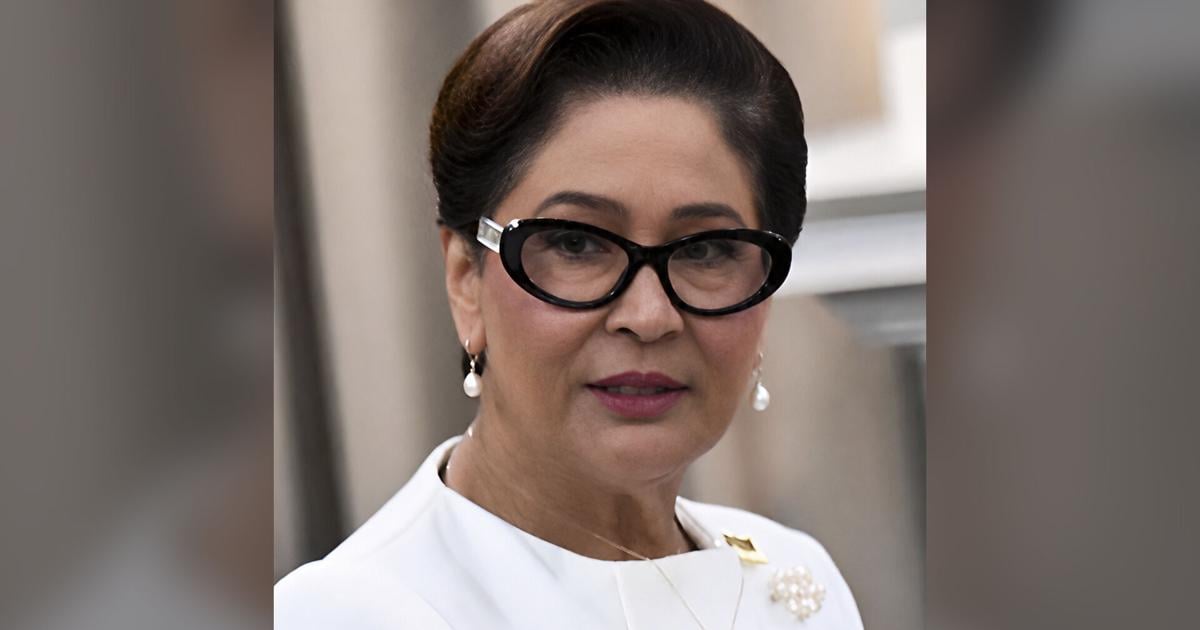
As the Caribbean Community (Caricom) prepares to convene its 51st Regular Meeting of the Conference of Heads of Government in St Lucia starting this Sunday, Trinidad and Tobago’s Prime Minister Kamla Persad-Bissessar has made two critical announcements ahead of the gathering: she will personally attend the high-level regional summit, and her administration remains unwavering in its opposition to the reappointment of incumbent Caricom Secretary-General Dr Carla Barnett.
In comments provided to local outlet the Express, Persad-Bissessar confirmed she has held direct talks with St Lucia Prime Minister Philip J Pierre, who is set to take over as incoming Caricom chairman ahead of the summit. On the contentious issue of Barnett’s reappointment, the Trinidad and Tobago leader reiterated that her government will not recognize any extended term for the Secretary-General when her current tenure expires in August.
The dispute over the reappointment is rooted in procedural disagreement. Persad-Bissessar has long argued that the process used to advance Barnett’s extension conflicts with the Revised Treaty of Chaguaramas, Caricom’s foundational governing document, and the bloc’s long-standing institutional governance rules. Trinidad and Tobago has already formally submitted its official position to all regional leaders, maintaining that any new term granted through what it frames as an unlawful procedure will not be accepted by Port-of-Spain. The government has also confirmed that its stance is backed by formal legal advice affirming its interpretation of the treaty’s requirements for the Secretary-General appointment process. The core question up for debate among heads of government remains whether the conference properly exercised its legal authority to extend Barnett’s tenure, and the impasse is expected to be a top discussion topic during the summit as Caricom leadership works to find a path forward to resolve the disagreement.
Alongside the leadership dispute, the summit opens a new chapter for Caricom with Pierre set to assume the bloc’s chairmanship on July 1, 2026, for a six-month term ending on December 31 of the same year. He will succeed outgoing chairman Dr Terrance Drew, Prime Minister of St Kitts and Nevis, and will lead the four-day summit hosted in Gros Islet, Saint Lucia, from July 5 to 8.
In a pre-summit address delivered Monday, Pierre laid out his policy priorities for his tenure, centering his agenda on deepening regional unity and making Caricom more visible and impactful in the daily lives of ordinary Caribbean citizens. “Across our region, people are navigating a rapidly changing world: they work tirelessly to build better lives, our economies are adapting to uncharted new realities, and our communities face shared challenges that demand collective cooperation, innovative thinking and shared purpose,” Pierre said. “At this moment, many of our citizens are asking one critical question: how can Caricom make a greater difference in our everyday lives? That question must guide all of our work over the coming months.”
The incoming chairman emphasized his commitment to bringing Caricom closer to the people it serves, noting that the bloc’s impact should not be limited to formal summit meetings and official declarations. Instead, he said, Caricom’s work should be visible and felt in local communities, schools, small businesses, and family homes, reflected in expanded opportunities for every citizen across the region.
Pierre stressed that regional solidarity is the Caribbean’s greatest advantage, noting that “the Caribbean is strongest when we work together, speak with shared purpose, and respect the unique voices and contributions of every Member State. Our rich diversity of cultures, languages, traditions, and lived experiences is one of our most powerful strengths.”
Under his leadership, Pierre pledged that Caricom will prioritize building a more resilient and sustainable Caribbean, advancing key priorities including urgent climate action, strengthened regional food and nutrition security, inclusive economic growth, accelerated digital transformation, expanded trade and investment opportunities, and freer movement of people, skills, services and ideas across the regional bloc. He added that all policy work must center the needs of ordinary Caribbean people, noting “every Caribbean citizen, regardless of age, gender, ability, background, occupation, or personal circumstance, must be able to see themselves reflected in the regional agenda and feel that Caricom is working to improve their lives, expand their opportunities, and strengthen their future.”
Pierre also highlighted the inseparable link between development and public safety, calling on member states to collaborate to build safer, more hopeful communities where every citizen can live, work, learn and thrive in peace and dignity. He closed by noting that the ultimate measure of Caricom’s success is whether ordinary citizens can feel the benefits of regional integration in their daily lives. “Integration that our people cannot feel will not last,” he said. “Together, we can build a Caribbean Community that is more united, more inclusive, more resilient, and more prepared for the future. Let us move forward together, from resilience to renewal and revival. In solidarity with the people of the Caribbean, I thank you.”