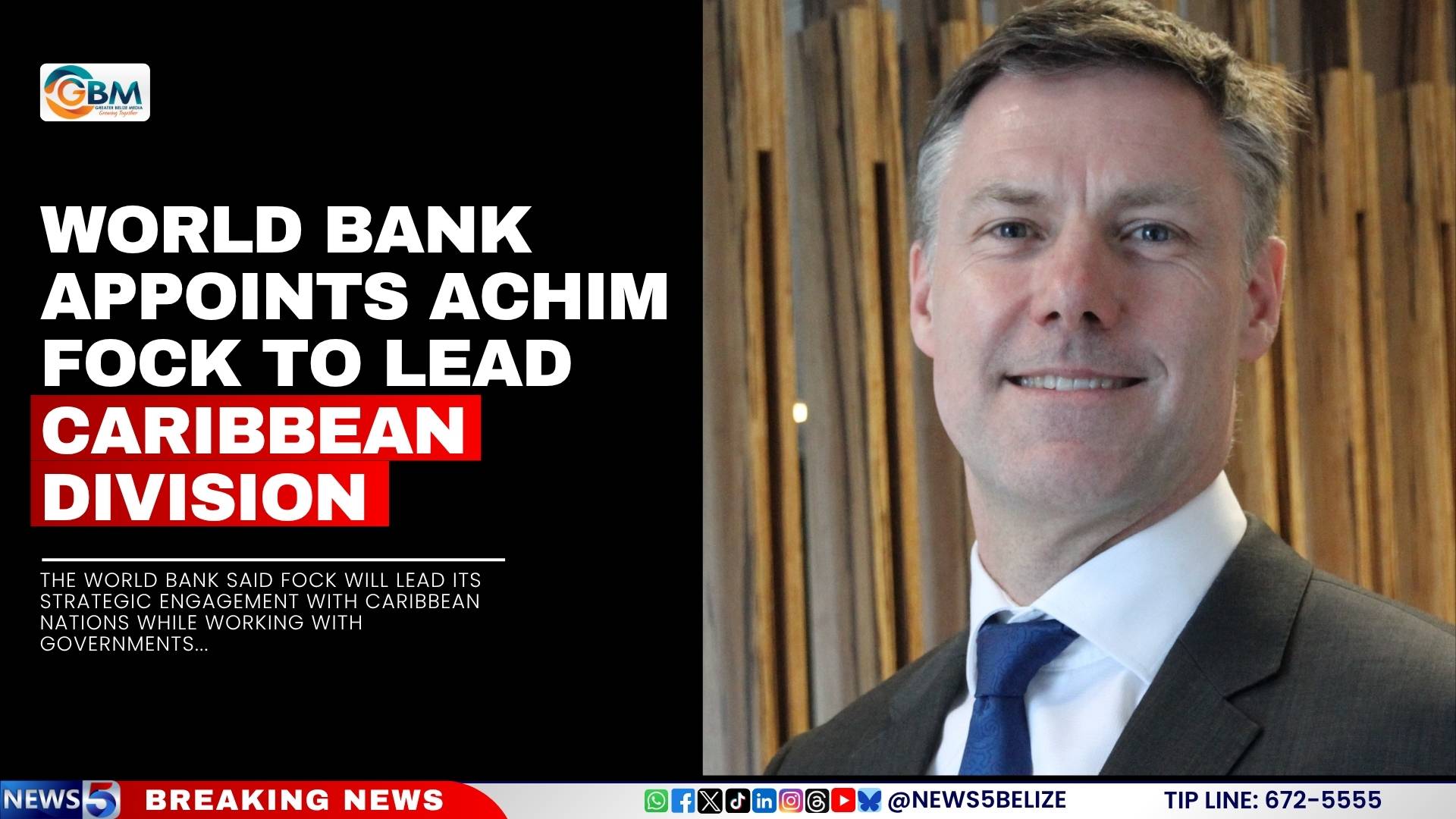
In a key leadership appointment for regional development, the World Bank announced Tuesday that it has selected Achim Fock to serve as the new Division Director for the Caribbean, effective July 1, 2026.
Fock will take the reins of the institution’s full portfolio across the Caribbean region, encompassing all lending operations, technical advisory support, and targeted development initiatives implemented by the global development body. A core part of his new mandate will be steering the World Bank’s strategic partnerships with Caribbean national governments, while also fostering collaboration with local civil society organizations and private sector stakeholders. The overarching goal of this coordinated engagement is to drive forward inclusive, sustainable development that builds long-term economic and climate resilience across the region’s small island and coastal nations.
Bringing to the role over a quarter century of institutional experience with the World Bank, Fock boasts a diverse track record of leadership across multiple emerging market regions globally. His most recent post was Country Manager for Zambia, where he oversaw development programming across Southern Africa. Prior to that role, he held senior operational leadership positions across Southeast Asia, covering Brunei, Malaysia, the Philippines, Thailand, and Vietnam. He also built his early career as a senior economist, working on development challenges across a broad range of countries in Africa, East Asia, and Eastern Europe.
In his new position, Fock has outlined a clear set of priority focus areas aligned with the Caribbean’s most pressing development needs. Top priorities include supporting local economies to expand inclusive job creation, unlock sustained broad-based economic growth, accelerate the just transition to low-carbon clean energy systems, boost national capacity for disaster risk preparedness and response, deliver climate-resilient infrastructure, and strengthen overall macroeconomic and social resilience to global shocks.
Fock holds impressive academic credentials to back his decades of practical development experience: he earned a PhD in Agricultural Economics, two master’s degrees in Agricultural Science and Agricultural Economics respectively, and a postgraduate diploma focused on European Integration and International Economics.