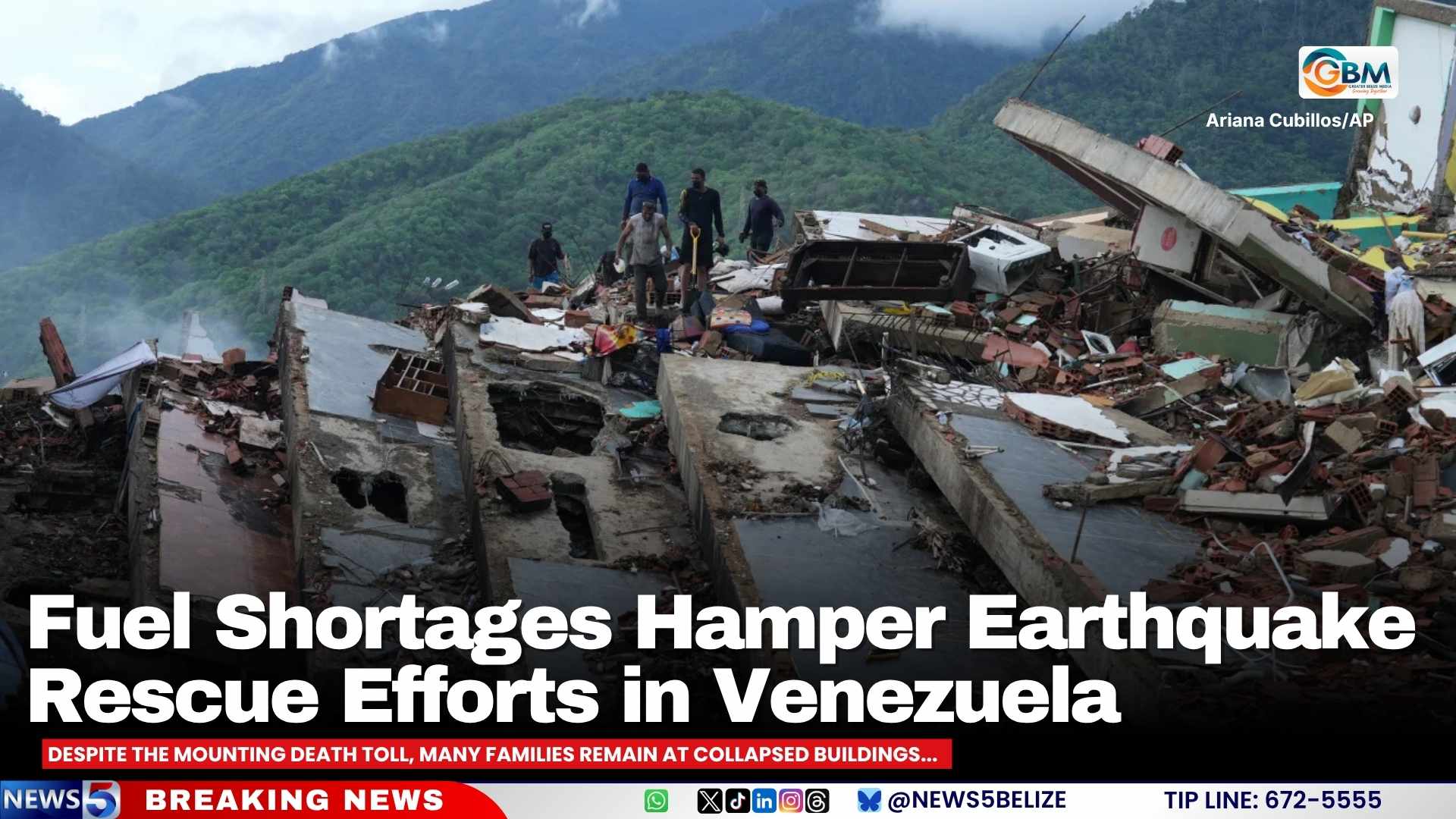
Nearly a week after two powerful earthquakes tore through Venezuela’s northern coastal region of La Guaira, desperate families and volunteer rescuers are still digging through mounds of collapsed concrete and debris by hand, crippled by widespread fuel shortages that have left state-owned heavy rescue machinery idle, CNN reports. The devastating disaster has laid bare deep systemic failures in the country’s emergency response framework, drawing sharp criticism from observers and triggering a small-scale corruption scandal that has compounded public anger.
In one high-profile example of the logistical gridlock, a large excavator parked meters from a major rubble pile has sat completely unused since the earthquakes struck, with no gasoline available to power its engine. Without access to the heavy equipment that could speed up search efforts, locals hoping to locate missing loved ones have been forced to rely on nothing more than basic hand tools — shovels, pickaxes — and their own bare hands to sift through wreckage.
The botched response has amplified longstanding criticism of the Venezuelan government’s disaster preparedness. Political analyst Carmen Beatriz Fernández notes that the ongoing crisis exposes the severely diminished capacity of national institutions to coordinate large-scale emergency operations when disaster strikes. Adding to the controversy, Venezuelan law enforcement agencies have announced the arrest of four public officials who are accused of looting valuables from the earthquake wreckage. All four have been removed from their positions and their cases have been transferred to the national judiciary for prosecution.
As of Tuesday, the official confirmed death toll from the quakes has risen to at least 1,943, but aid workers and local residents fear the actual number of fatalities is far higher, as hundreds of people remain unaccounted for buried beneath destroyed buildings. In response to the growing need for body recovery, the United Nations has reportedly begun the process of procuring 10,000 body bags to support ongoing recovery operations. Even as the death count continues to climb and hopes of finding more survivors fade, scores of grieving families continue to gather at disaster sites, clinging to the slim possibility that their loved ones will be pulled out alive.