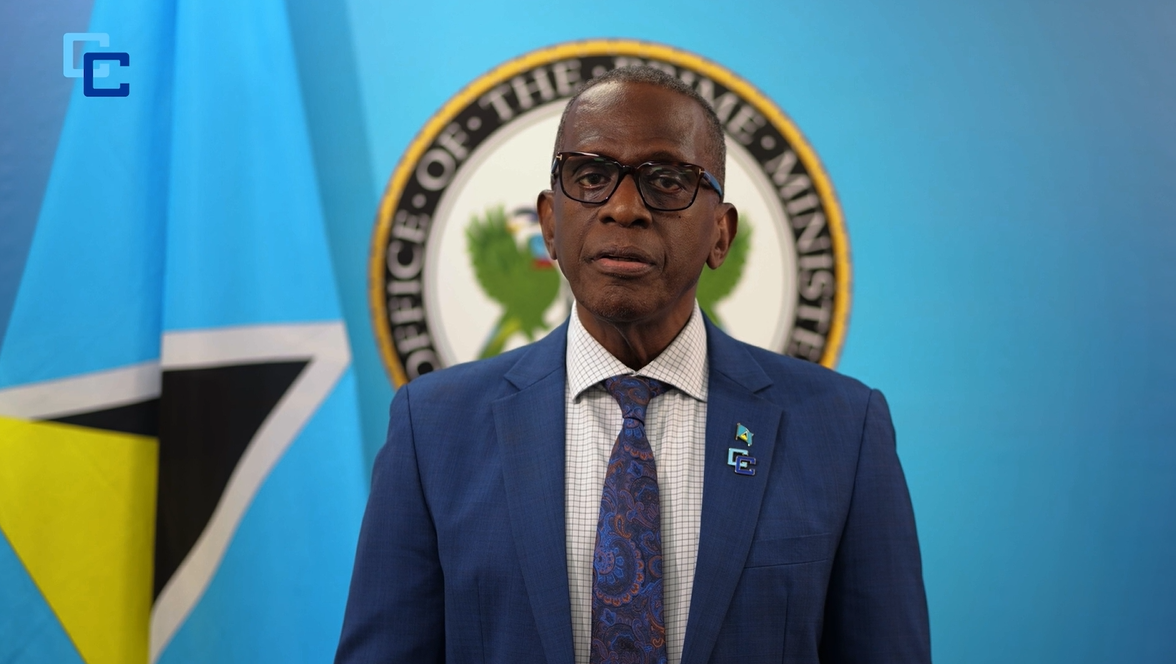
As Saint Lucia’s Prime Minister Philip J. Pierre prepares to take the helm of the Caribbean Community (CARICOM), he has put forward a bold, people-first agenda aimed at closing the gap between the regional grouping and the daily lives of ordinary Caribbean citizens. Pierre made his policy priorities public in an official statement released on Monday, just 24 hours ahead of his formal transition into the rotating chairmanship of the 15-member regional integration body.
In his address, Pierre framed his assumption of the chairmanship as a solemn commitment to the Caribbean people, saying he takes on the role “with humility, determination, and a deep sense of service” to communities across every member state. He emphasized that the core founding principle of CARICOM — that collective action delivers far greater progress than individual nations can achieve alone — is more relevant than ever, as the Caribbean navigates an increasingly volatile and fast-shifting global geopolitical and economic landscape.
Pierre zeroed in on a critical question that he says will shape all of his work during his tenure: “Many citizens are asking an important question: how can CARICOM make a greater difference in our everyday lives?” That query, he argued, will serve as the north star for his administration of the regional body.
Under his leadership, Pierre says the top priority will be moving CARICOM beyond high-level meetings and formal declarations, to make the benefits of regional integration tangible in every corner of Caribbean life: from local communities and neighborhood schools to small businesses and family homes, and in the access to opportunity extended to every citizen across the bloc.
The incoming chair outlined multiple key policy areas where sustained regional collaboration will remain non-negotiable during his term. These include accelerated climate action, shoring up regional food and nutrition security, driving inclusive economic growth, advancing widespread digital transformation, expanding cross-regional trade and foreign investment, and streamlining the free movement of people, skilled labor, services and innovative ideas across national borders within the Caribbean.
Pierre also placed heavy emphasis on deepening regional unity, noting that the wide diversity of CARICOM’s member states — which range from large island nations to tiny micro-states — stands as one of the integration movement’s greatest strategic assets. “The Caribbean is strongest when we work together, speak with purpose, and respect the voices and contributions of every Member State,” he said.
The Saint Lucian leader stressed that all regional development efforts must stay rooted in the needs of people, ensuring that citizens from every walk of life see their priorities reflected in CARICOM’s policy agenda and can share in the gains of deeper integration. He also drew a clear connection between sustainable development and public safety, calling for continued cross-border collaboration to build safer communities where all people can “live, work, learn, and thrive in peace and dignity.”
For Pierre, the ultimate measure of CARICOM’s success is not the number of agreements signed or summits held — it is whether ordinary citizens can actually feel the impact of regional integration in their daily routines. “Because integration that our people cannot feel will not last,” he argued.
As he prepares to formally assume leadership of the regional body, Pierre laid out his overarching goal: to help build a CARICOM that is “more united, more inclusive, more resilient, and more prepared for the future.” He closed his address with a unifying call to action for the entire region, urging member states to move forward together “from resilience to renewal and revival.”