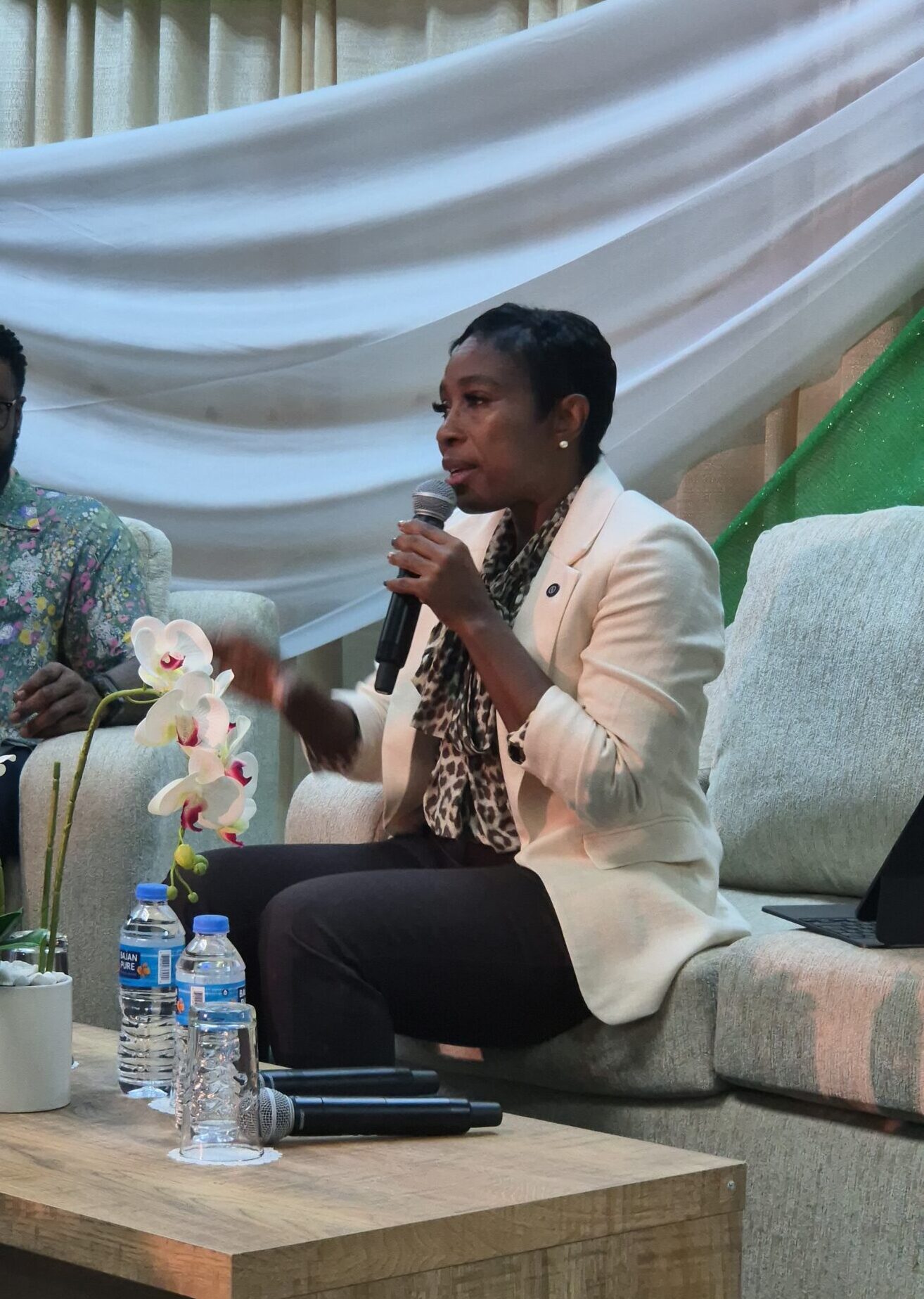
For years, conventional wisdom has held that young people across Barbados have turned their backs on agriculture, writing off the sector as an unappealing career path. But the island nation’s top agricultural official is pushing back against that long-held narrative, revealing that months of on-the-ground engagement with producers and educators have uncovered a hidden truth: a growing cohort of young Barbadians are eager to build sustainable careers in farming, if only given clear pathways and structured support to thrive.
Delivering remarks at the “Looking Forward: Agriculture 2030” colloquium hosted by Barbados’ Ministry of Agriculture and Food and Nutritional Security on Monday, Agriculture Minister Dr. Shantal Munro-Knight called the idea of widespread youth apathy toward agriculture an outright myth. “We have young people every single year who are doing courses at BCC, SJPI and the University of the West Indies. You want to tell me that young people are not interested? Those courses are there,” she told attendees, pointing to consistent enrollment in agricultural training programs across the country’s post-secondary institutions as tangible proof of unmet demand.
During her months of one-on-one and group meetings with working farmers across the country, the minister said she encountered numerous examples of young producers already building successful operations, naming onion farmer Shimon Agard as a standout example of the untapped potential waiting to be unlocked across the sector. “Young people are interested in agriculture. What is lacking is the strategic pathway for how we provide opportunities for them,” she emphasized.
To address that gap, Dr. Munro-Knight announced that expanding access to opportunity for young entrants will be a core pillar of the ministry’s ongoing agricultural transformation agenda. A suite of new and expanded initiatives is already in development, starting with a scaled-up national internship program designed to give agricultural students from Barbados Community College, Samuel Jackman Prescod Institute of Technology, and the University of the West Indies hands-on professional experience across all ministry departments and regulatory agencies. The minister has personally committed to opening the program to every eligible student who wishes to participate, guaranteeing a placement for all interested candidates.
Additional planned programs include a nationwide summer camp focused on introducing teenage youth to farming, agribusiness management, agricultural science, and modern agritech, alongside deeper partnerships with primary and secondary schools to build a culture of agricultural entrepreneurship from an early age. Existing school greenhouses will be redeveloped into hands-on learning hubs, where students will not only grow crops but also manage the full commercial lifecycle of their produce, retaining all revenue from sales to embed practical agribusiness skills within a working student-led model.
Beyond structural support for new farmers, the minister argued that reconnecting young Barbadians to agriculture requires a national shift in public attitudes toward the sector. “I don’t believe that the average Barbadian has really connected with the value of agriculture,” she said, noting that a public outreach campaign focused on winning “hearts and minds” will be a key component of the strategy to reframe agriculture as a valuable, dynamic career path for young people.
James Paul, chief executive of the Barbados Agricultural Society and the leading spokesperson for the country’s farming community, threw his support behind the minister’s agenda, but called for deeper, long-term commitment beyond preliminary outreach. Paul warned that efforts to attract young people to agriculture have too often been treated as a symbolic showpiece rather than a core policy priority, arguing that sustained systemic support is required to help new farmers build lasting, profitable operations. “We need to [ensure]… that we have systems in place to support them so that those do not fail and sometimes send a negative message to persons who want to invest in the sector too,” he explained.
For Dr. Munro-Knight, the work of nurturing the next generation of Barbadian farmers is about far more than expanding career opportunities: it is a critical investment in the country’s long-term food security and agricultural resilience. By shifting public perceptions, opening clear pathways to entry, and building robust support systems, the ministry aims to turn growing youth interest into a stronger, more sustainable agricultural sector for all Barbadians.