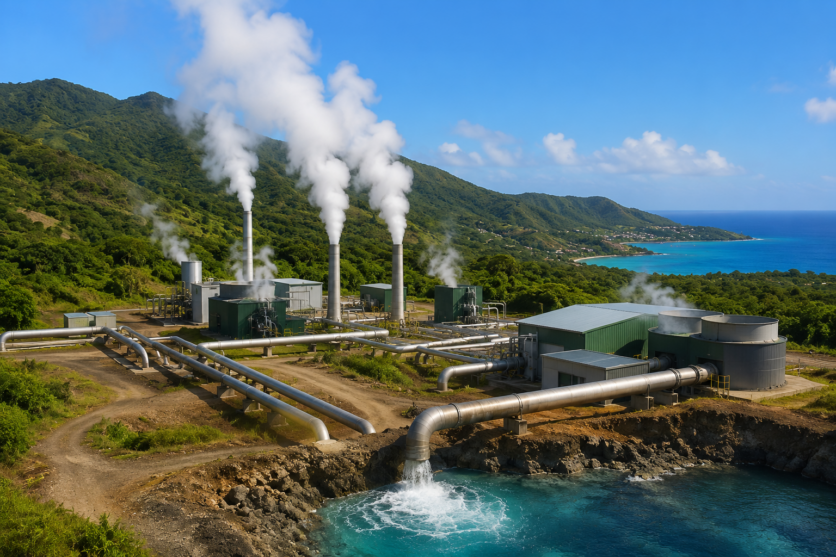
Against a backdrop of volatile global fossil fuel markets and growing regional momentum for clean energy transition, the Prime Minister of Antigua and Barbuda Gaston Browne announced Saturday that the island nation is evaluating a plan to build an undersea electricity cable that would connect it directly to St. Kitts and Nevis. The project forms part of a broader regional push to unlock cross-border access to renewable energy and cut heavy reliance on carbon-intensive fossil fuel imports.
Speaking during his regular weekly appearance on local outlet Pointe FM, Browne explained that the proposal grew out of high-level discussions among leaders of the Organisation of Eastern Caribbean States (OECS), which have centered on strengthening collaborative energy governance and shoring up long-term energy security across the region. Under the framework of this cooperation, member states with untapped or underdeveloped geothermal resources would be able to expand their production capacity and export excess clean power to neighboring islands that lack the geological conditions for domestic geothermal development.
“For nations like Antigua and Barbuda that don’t have domestic geothermal reserves, this arrangement would let us buy affordable, reliable clean power from neighbors that do,” Browne noted in his address. He confirmed that early bilateral talks between Antigua and Barbuda and St. Kitts and Nevis are already underway to work out details of the subsea transmission line, which would run from Nevis to Antigua and enable the import of steady baseload electricity for Antigua and Barbuda in the coming years.
This energy partnership is just one component of a wider OECS strategy to deepen integration across key priority sectors including energy connectivity, transportation infrastructure, and cross-border trade. A core goal of this broader initiative is to reduce the vulnerability of small island member states to unpredictable global economic and energy shocks that have disproportionately impacted Caribbean nations in recent years.
While Browne declined to share a formal construction timeline or disclose preliminary cost estimates for the proposed cable, he emphasized that regional governments remain fully committed to advancing collaborative renewable energy infrastructure projects across the Eastern Caribbean. St. Kitts and Nevis has already made significant progress in developing its domestic geothermal reserves, and regional leaders project that this resource could eventually become a foundational clean power source for a interconnected regional energy grid that serves multiple neighboring islands.
For Antigua and Barbuda, expanding access to imported geothermal power delivers three key long-term benefits: it will diversify the nation’s current energy portfolio, cut reliance on costly imported fossil fuels, and build greater overall energy resilience at a time when global petroleum markets continue to see extreme price volatility, Browne added.