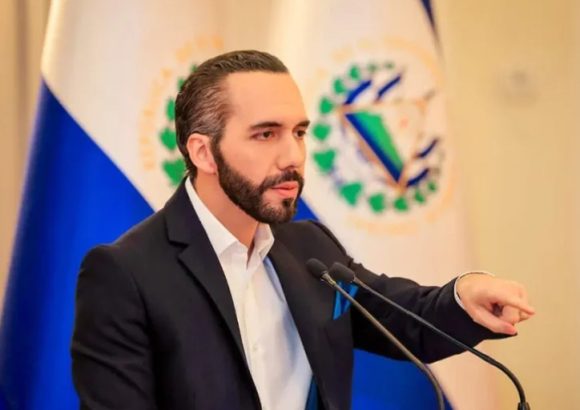
In a historic development for El Salvador’s political landscape, President Nayib Bukele has formally submitted his pre-candidacy to run for a third consecutive presidential term in the 2027 general election. This step comes just months after a controversial constitutional revision cleared the way for unlimited presidential re-election, rewriting the rules of the country’s democratic process.
The ruling Nuevas Ideas party made the official announcement of the candidacy filing on Sunday, confirming that incumbent Vice President Félix Ulloa has also put forward his name to seek another term in office. Xavi Bukele, head of the Nuevas Ideas party, posted images of the completed registration documents across multiple social media platforms, making the news public for supporters and observers alike. Following the registration, Ulloa released a statement expressing gratitude to the party for the chance to continue advancing their shared political agenda. For his part, Bukele has yet to make any public statement addressing his pre-candidacy, and political analysts widely agree he will not face any serious challengers during the party’s upcoming primary selection process.
The constitutional changes that made Bukele’s third-term run possible were approved by the country’s Legislative Assembly back in July 2025. In addition to eliminating term limits for the presidency, the reform package also pushed the date of the next presidential election forward to 2027, and extended all future presidential terms from five years to six. The reform has drawn sharp criticism from domestic opposition groups and international democracy watchdogs, who argue that removing term limits undermines the checks and balances core to democratic governance. Despite this backlash, Bukele maintains sky-high approval ratings among the Salvadoran public, a popularity built largely on his aggressive, widely supported crackdown on violent gang activity that once terrorized communities across the country. Even so, growing economic uncertainty and rising cost-of-living concerns have become increasingly top-of-mind for Salvadoran voters in recent months, creating an undercurrent of unease heading into the 2027 campaign cycle.