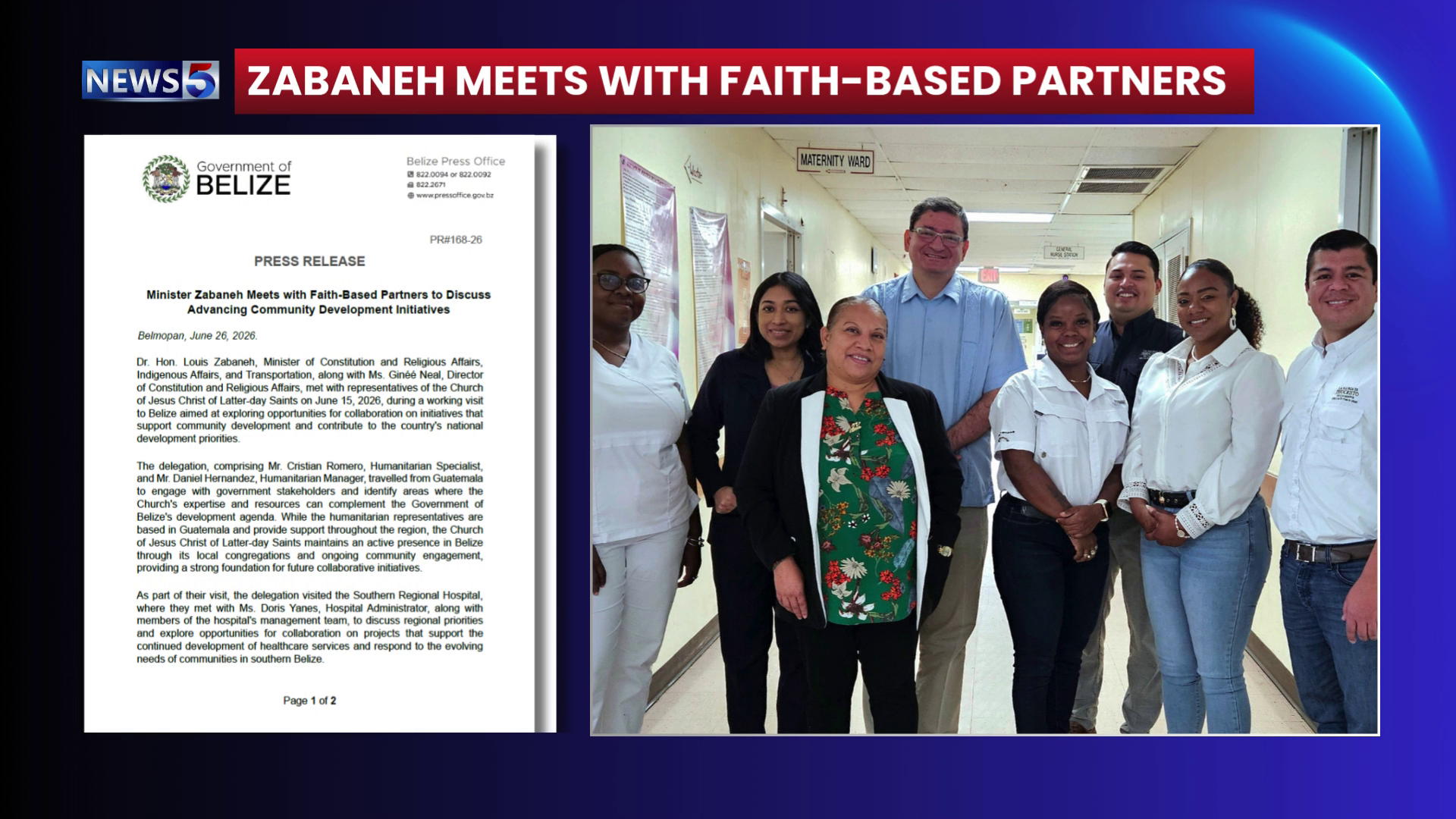
Against the backdrop of Belize’s national push for inclusive community development, the Caribbean nation’s government is expanding its collaborative approach by partnering with faith-based organizations to advance shared progress across the country. Leading this new initiative is Dr. Louis Zabaneh, Minister of Constitution and Religious Affairs, who recently held high-level talks with a delegation from The Church of Jesus Christ of Latter-day Saints, which traveled to Belize from neighboring Guatemala to explore collaborative opportunities.
The two-day working meeting marked a key step in formalizing new development cooperation, with attendees focusing on aligning the Church’s existing on-the-ground presence, regional resources and community development experience with Belize’s stated national development priorities. Unlike formal top-down agreements, the talks centered on designing community-led initiatives that address local needs directly, building on the Church’s long-standing informal work in Belize’s towns and rural areas.
Following policy discussions with government officials, the joint delegation conducted site visits to key public institutions to identify immediate collaborative openings. One stop was the Southern Regional Hospital, where members met with hospital administrators and senior healthcare leaders to discuss targeted interventions that would expand service access and address the growing unmet healthcare needs of residents in southern Belize, a region that has long faced resource gaps in medical services.
A separate working session with leaders from Belize’s National Emergency Management Organization (NEMO) focused on another critical national priority: strengthening the country’s disaster preparedness frameworks, improving emergency response capacity, and supporting the development of climate-resilient communities. Belize, like many small Caribbean nations, faces growing risks from climate-related extreme weather events, making enhanced disaster readiness a core policy goal for the current administration.
For the Ministry of Constitution and Religious Affairs, this exploratory partnership is part of a broader government strategy to break down silos between public institutions and civil society organizations. By bringing together faith-based groups with existing community outreach infrastructure and the government’s policy and development resources, the administration aims to strengthen public social services and advance long-term, sustainable solutions that benefit all Belizeans.
aA government spokesperson confirmed following the meetings that the administration will continue to prioritize and nurture this type of cross-sector collaboration, with the overarching goal of building more connected, robust and resilient communities across every region of Belize. Further talks are expected in the coming months to turn the exploratory agreements into concrete, actionable projects.