Amidst an ongoing national debate over whether private primary schools in Barbados consistently outperform public institutions, educators from one standout public school are drawing a clear line: unfair contextual comparisons do a disservice to both sectors, and student success grows from a mix of engaged parent participation, dedicated educator work and accessible resources.
The conversation reignited earlier this month after the Barbados Union of Teachers (BUT) formally requested the Ministry of Education Transformation to release data explaining why private schools posted seemingly stronger results in this year’s Common Entrance Examination. Just days after that call, faculty and staff at St Philip’s Hilda Skeene Primary School celebrated their students’ exceptional performance during a graduation ceremony hosted at The Crane Resort, where they pushed back against direct cross-sector comparisons.
Hilda Skeene Primary’s 2024 exam results tell a compelling story: student Josiah Gibson secured second place across the entire island, earning a perfect 100% score in Mathematics, while several other classmates hit scores in the 90th percentile. For Kara Allsopp, a Class Four teacher at the school, these achievements are more than just individual wins—they prove public school students can compete at the highest academic level when schools and families collaborate effectively.
“Once parents get involved, we have public school students that can perform just as well, if not better, than their peers in private schools,” Allsopp explained during the ceremony. She attributed this year’s success to consistent family buy-in: parents prioritized their children’s learning, committed to extra support, and even arranged for students to attend extra study sessions on school holidays. The real driver of strong outcomes, she added, is not institutional status but intrinsic motivation. “We worked for months toward these exams. The children gave up their free time on bank holidays to come in and practice. That motivation is the actual secret to success. My job as an educator is first and foremost to spark that desire to do well—once that clicks, students will rise to the challenge.”
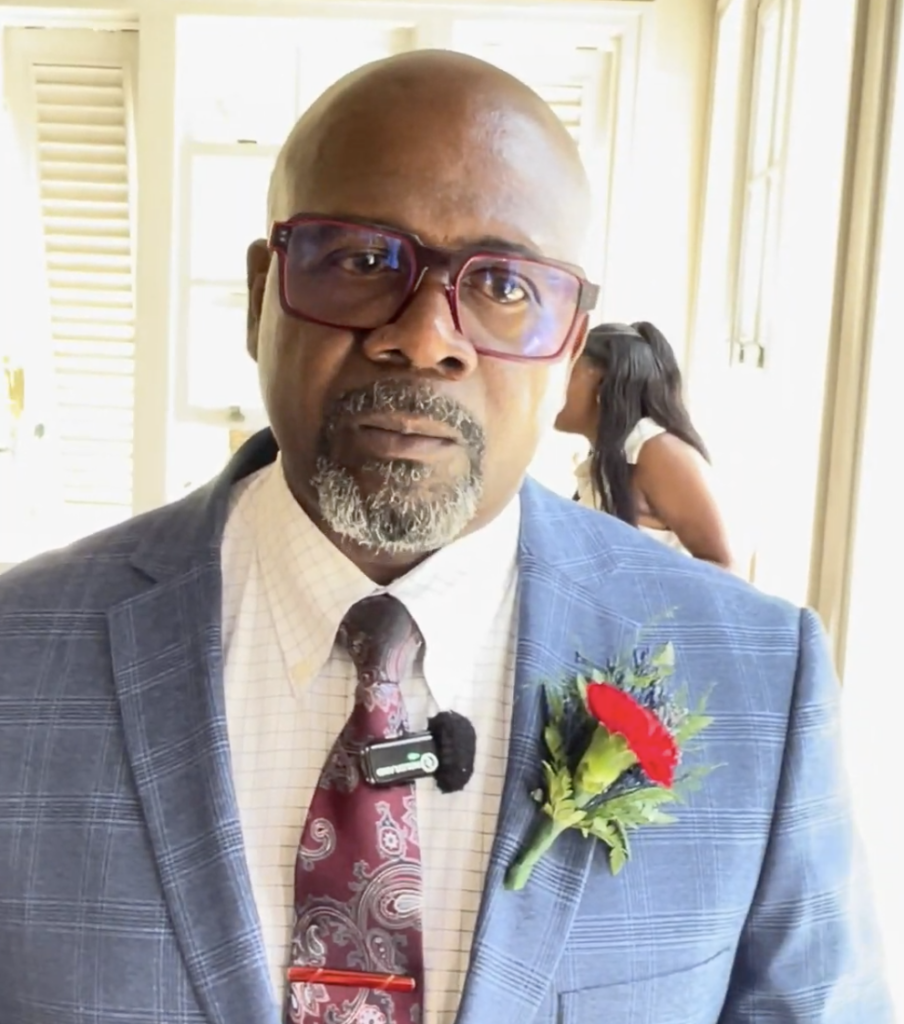
Principal Wayne Bryan echoed Allsopp’s rejection of direct public-private comparisons, noting the two sectors operate under fundamentally different conditions that make head-to-head ranking meaningless. “Comparing public schools to private schools is comparing apples to oranges,” Bryan said. “There are dozens of variables that shape how each sector operates, from the student populations they serve to how they are managed and staffed. They both provide a core public good, but they operate in totally separate contexts.”
Even as he celebrated his students’ wins, Bryan did not shy away from naming the persistent structural challenges holding many public schools back: limited funding and a widespread lack of adequate material, human and financial resources. “You can have the highest goals and biggest dreams for your students, but without the right resources, reaching those goals becomes far harder,” he noted. For many public school principals, the burden of funding gaps pulls focus away from core educational leadership: Bryan himself spends significant time lobbying private sector partners and organizing parent-led fundraising campaigns to cover gaps in public funding.
Looking ahead, Bryan called for broader cross-sector collaboration to lift public education outcomes across the country, arguing that private sector investment in public schools is an investment in Barbados’ future workforce. “The next generation of employees, leaders and innovators for Barbados’ private businesses come from our public schools. If business leaders want a strong workforce down the line, they need to invest today. Improving public education is not a job for one group—it takes all of us working together to deliver the outcomes our children deserve.”