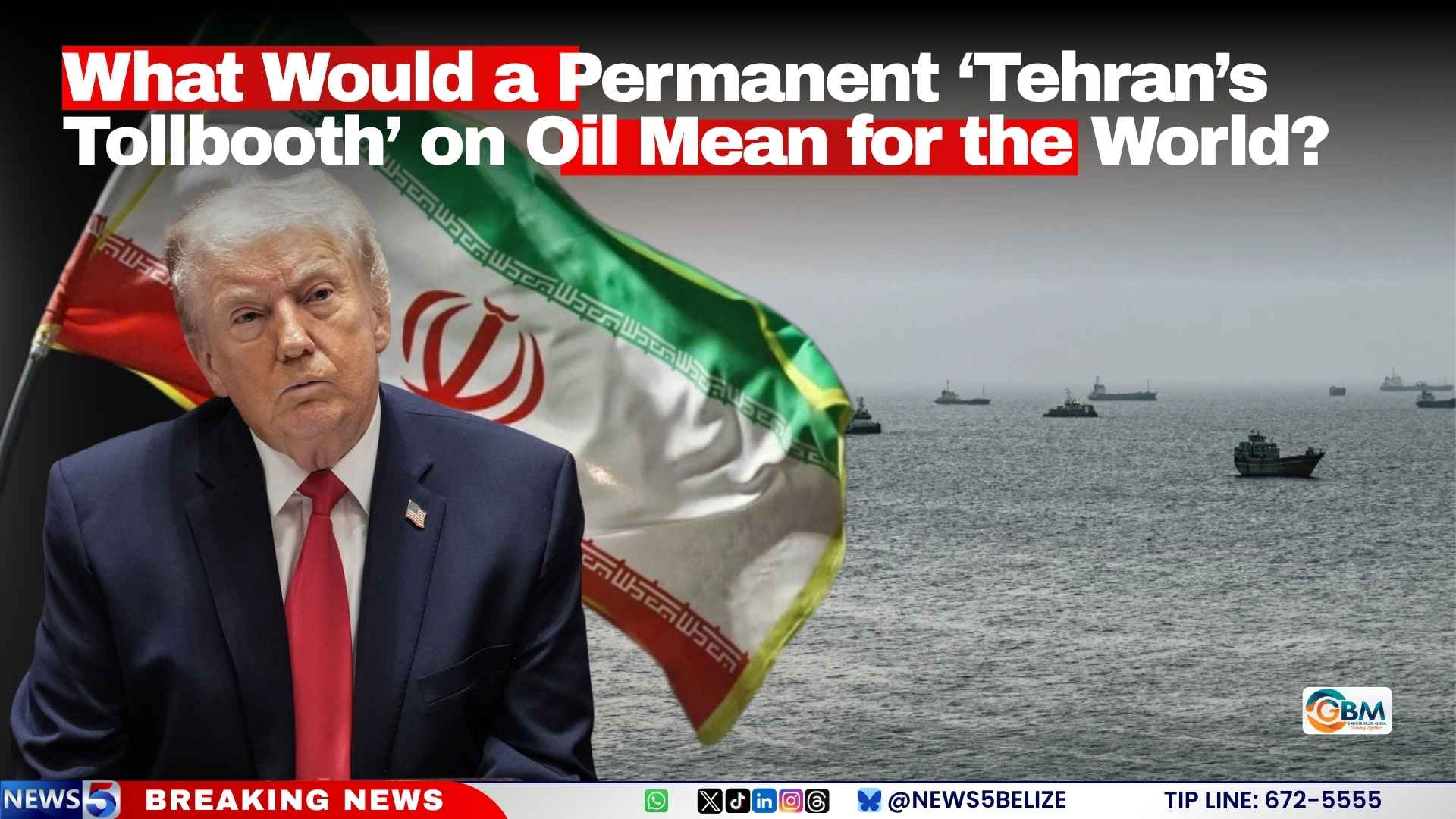
The Strait of Hormuz, one of the world’s most critical energy chokepoints, could soon become a permanent fee-collecting corridor if Iran advances its proposed policy, a shift that experts warn would upend decades of global energy market stability and reshape international maritime norms. The proposal emerges against a fragile new diplomatic backdrop: following the recent signing of a tentative memorandum of understanding between the United States and Iran, behind-the-scenes diplomatic negotiations have intensified, and Iranian officials are already planning long-term changes to how shipping is managed through the strategic waterway.
Abas Aslani, a senior research fellow at Tehran’s Center for Middle East Strategic Studies, shared details of Iran’s long-term vision in an interview with Al Jazeera, noting that Tehran sees the current 60-day diplomatic cooling-off period as a stepping stone to permanently revise maritime rules governing the strait. “For Iran, the Strait of Hormuz after 60 days … will be subject to receiving fees for the services that are provided,” Aslani stated, confirming that the country intends to formalize the “Tehran’s Tollbooth” system that has been floated by hardline factions within the Iranian government.
The stakes of this proposal are enormous: roughly 20% of the world’s total petroleum supplies pass through the narrow Strait of Hormuz daily, bound for markets across Europe, Asia, and North America. Energy policy analysts argue that institutionalizing a permanent transit fee would amount to de facto maritime extortion, forcing Western powers and global energy consumers into an untenable position: either formally recognize the fee and send billions in revenue to an adversarial Iranian regime, or refuse and risk disruptions to global oil supplies that would fracture already fragile supply chains and send energy prices skyrocketing.
Diplomatic efforts to mitigate the risk have already hit major roadblocks. In an attempt to bypass Iranian control of the strait, the U.S. has pressured Oman to develop a new southern alternative pipeline corridor that would carry oil from Gulf producers to global markets without passing through Hormuz. But according to Al Jazeera’s reporting, the Islamic Revolutionary Guard Corps (IRGC), Iran’s most powerful military and security body, has issued an outright rejection of any alternative route that would cut off Iran’s leverage over global energy shipping.
The United States has issued a firm rejection of Iran’s proposal, with top administration officials doubling down on opposition at a recent gathering of Gulf allies. Speaking at a tense Gulf Cooperation Council summit hosted in Bahrain, U.S. Secretary of State Marco Rubio made clear that Washington has no intention of compromising on the issue. “There is no reconstruction fund or financial compromise on the table for Tehran,” Rubio stated, adding that the U.S. has seen “zero support” from regional Gulf states for what Western allies uniformly characterize as unacceptable maritime extortion. Former U.S. President Donald Trump has also publicly refuted Iran’s right to impose any transit toll on commercial shipping moving through the strait, framing the proposal as a direct threat to global energy security.
As the 60-day diplomatic window ticks down, global energy markets and geopolitical actors are bracing for a potential showdown over one of the world’s most vital maritime trade routes.