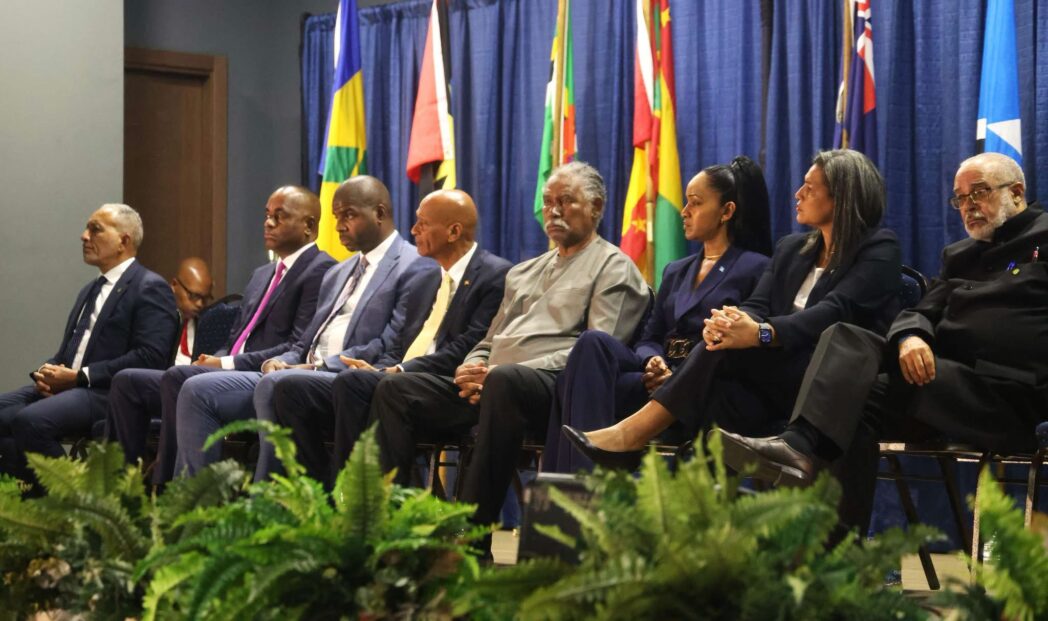
Leaders from the nine member states of the Organization of Eastern Caribbean States (OECS) gathered this week for the 78th Meeting of the OECS Authority, bringing heads of government together to address the region’s most pressing economic priorities and long-term development challenges. Hosted in a scenic coastal venue that underscored the bloc’s deep ties to maritime trade, the three-day convening centered on three interconnected pillars of regional strategy: expanding cross-border trade, upgrading digital and transport connectivity, and strengthening collective economic resilience in the face of persistent global shocks.
Against a backdrop of ongoing global economic volatility, fluctuating commodity prices, and the lingering effects of climate-driven extreme weather events that disproportionately impact small island developing states, the OECS leadership used the forum to align on coordinated policy frameworks. Discussions around trade centered on deepening integration within the Caribbean Single Market and Economy (CSME), cutting red tape for small and medium-sized enterprises (SMEs) looking to operate across regional borders, and unlocking new export opportunities for the bloc’s key agricultural and tourism sectors. Leaders also emphasized the need to advance negotiations on new trade agreements with extra-regional partners to diversify the OECS’s economic partnerships.
On connectivity, the conversation focused on closing the digital divide across the Eastern Caribbean, expanding high-speed broadband access to rural and remote communities, and upgrading regional port and road infrastructure to reduce logistics costs for businesses. Many heads of government highlighted that improved connectivity is not just an infrastructure goal, but a foundational step to boosting competitiveness, enabling digital entrepreneurship, and improving access to public services like healthcare and education across the bloc.
The third core theme, economic resilience, reflected the unique vulnerabilities of small island states. Leaders reviewed progress on joint initiatives to build climate adaptation infrastructure, establish regional emergency response mechanisms, and diversify local economies away from overreliance on a small number of sectors, particularly tourism. Discussions also touched on strengthening regional financial systems, improving debt management capacity, and leveraging international climate finance to support resilient development projects.
In closing remarks, the OECS Chair reaffirmed the bloc’s commitment to collective action, noting that coordinated regional strategy is the only path to delivering sustained, inclusive growth for all OECS citizens. Leaders agreed to a clear timeline for advancing the priority initiatives agreed at the meeting, with the next progress review scheduled for a mid-year ministerial gathering in 2024.