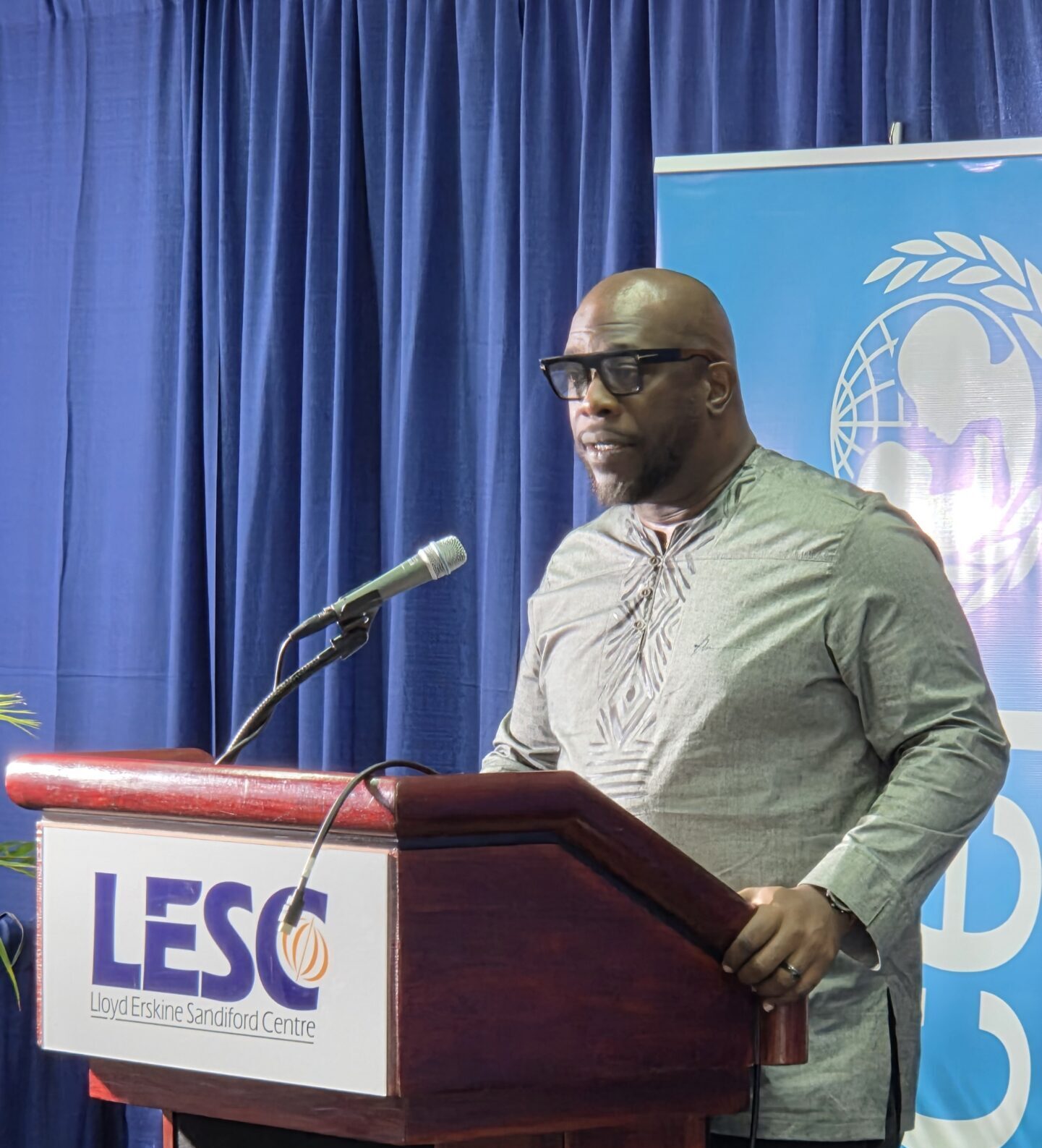
As Caribbean nations work to strengthen their support systems for at-risk young people, Barbados’ Minister of Home Affairs Gregory Nicholls has issued a stark warning: uncoordinated disaster response frameworks will exacerbate harm for vulnerable youth already navigating complex trauma and systemic disadvantage. His remarks came during the opening ceremony of a two-day regional workshop hosted by the Caribbean Association of Probation and Parole (CAPP) and the Barbados Probation Service, held at the Lloyd Erskine Sandiford Centre. Titled “Rooted in Resilience, United in Strength: Trauma-Informed Practice and Crisis Preparedness for Juvenile Justice Practitioners”, the event is backed by funding from UNICEF and brings together cross-sector professionals from across the region.
Nicholls emphasized that many young people engaged with juvenile justice and social services carry long-standing burdens of childhood abuse, interpersonal violence, grief, and systemic instability — challenges that make them far more susceptible to harm when public emergencies strike. “For this population, a disaster is never an isolated, one-off event,” Nicholls explained. “It is an escalation of existing hardship, one that rips open unhealed wounds and can erase months or even years of fragile progress if service systems are not prepared to respond in a coordinated, compassionate way.”
This reality, he argued, places a non-negotiable responsibility on all relevant institutions to build trauma-informed preparedness, align response protocols, and deliver intentional, consistent care. By convening stakeholders from emergency management departments, probation services, law enforcement, judicial bodies, education systems, social welfare agencies, and health care providers, the workshop signals a growing recognition that fragmented, siloed approaches cannot keep vulnerable young people safe. “Fragmented responses fail. Only interconnected, coordinated systems can deliver the protection these youth need,” Nicholls told attendees.
He pointed to the growing partnership between the Barbados Probation Service and the Department of Emergency Management as a model for the cultural shift the region needs. This collaboration marks a break from the isolated, department-specific planning that has long dominated crisis response, moving instead toward a model of shared accountability. “This shift away from silos is not an optional reform,” Nicholls stressed. “It is an essential change to protect the young people who depend on our systems.”
Over the course of the workshop, participants will focus on two pressing, underaddressed issues: suicide prevention for at-risk youth and critical incident stress management for frontline practitioners. Nicholls highlighted that both youth and the professionals who support them face growing strain from these challenges, noting that institutional investment in practitioner well-being is inseparable from efforts to build youth resilience. “We cannot talk about building resilience for the young people in our care if we ignore the well-being of the people who show up every day to support them,” he said. “If we fail to support our frontline practitioners, we weaken the entire system that protects vulnerable youth.”
For Nicholls, the workshop is far more than a routine training exercise: it is a targeted effort to build regional capacity, save lives, and embed resilience in the communities and systems that need it most. “This work is about making sure that when the next crisis hits — and it will hit — we do not fumble through a reactive response. We show up with clarity, compassion, and the competence to protect those who need us most,” he said.
Chief Probation Officer Dr. Angela Dixon echoed Nicholls’ concerns, explaining that natural disasters and public emergencies inevitably compound the existing vulnerabilities of young people engaged with juvenile justice systems. Too often, she added, the professionals responsible for supporting these young people are expected to navigate crises without adequate training, preparation, or institutional support. This regional workshop is the first of two planned sessions designed to close that critical support gap.
Dixon emphasized that the insights and professional connections forged at the event are intended to spread beyond Barbados, taking root in other Caribbean territories to build a truly regional response capacity. “We are incredibly grateful to UNICEF for their partnership and funding that has made this important work possible,” she said.