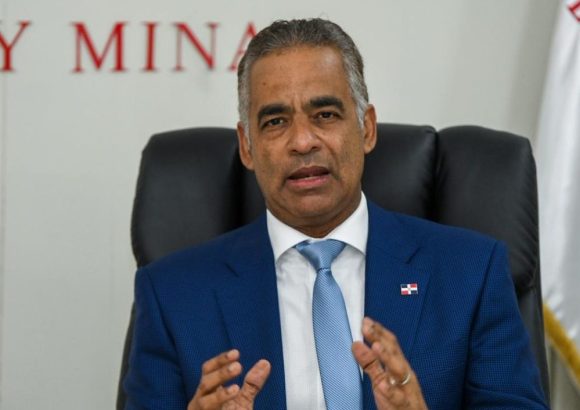
A new bilateral memorandum of understanding between the Dominican Republic and the United States has opened a new chapter of collaborative development in the peaceful use of nuclear technology, with Dominican Energy and Mines Minister Joel Santos emphasizing the wide-ranging long-term benefits of the agreement. The document was formally signed in Washington D.C. by Santos and U.S. Deputy Secretary of State Christopher Landau, creating a structured framework for cross-border knowledge sharing, technological advancement and institutional capacity building that aligns with global standards for nuclear safety, radiological protection and non-proliferation. Minister Santos pointed out that the partnership is a core milestone advancing the Dominican Republic’s national strategy to diversify its national energy mix and accelerate domestic scientific and technological progress. Under the agreement, the two countries will deepen cooperation across multiple high-impact sectors, including nuclear medicine, radioisotope manufacturing, academic and industrial scientific research, specialized workforce training, and the strengthening of local regulatory and operational capabilities for nuclear technology. Over the past 20 years, the Dominican Republic has made substantial progress in expanding its energy portfolio, Santos noted, with renewable energy sources now contributing nearly 25 percent of the country’s total electricity generation. He explained that advanced nuclear technologies, particularly small modular reactors (SMRs), position nuclear power as a viable future option for delivering consistent, low-carbon electricity to support the nation’s growing energy demand and climate goals. Crucially, Santos clarified that the newly signed agreement does not include any immediate plans for the construction of full-scale nuclear power plants in the Dominican Republic. Beyond energy, the partnership is expected to deliver transformative benefits to the country’s healthcare system, specifically improving access to advanced nuclear medicine techniques, upgrading the quality of cancer diagnosis and treatment, and expanding access to cutting-edge radiopharmaceutical technologies. Additional non-energy applications of the shared nuclear technology span agriculture, where it will support national food security initiatives, as well as water resource management, environmental pollution monitoring, and efficiency improvements for industrial manufacturing processes.
Joel Santos highlights benefits of U.S.-Dominican nuclear cooperation agreement