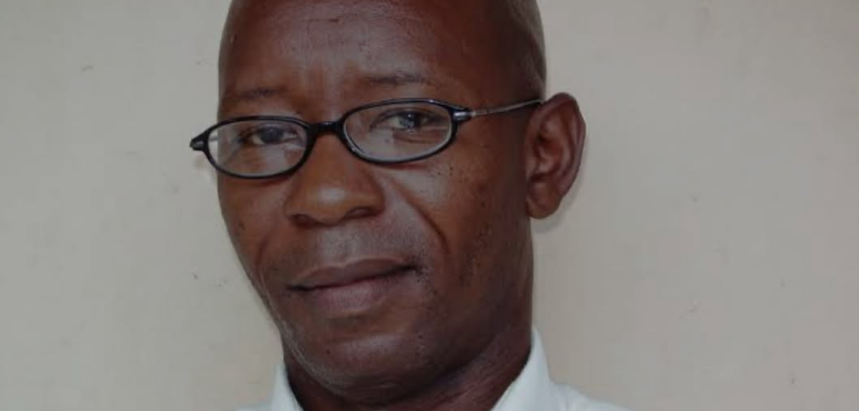
HAVANA, Cuba – As Cuba grapples with its most severe economic downturn in modern history, a prominent opposition activist has emerged as the focal point of escalating tensions between government security forces and pro-democracy organizers, ahead of the fifth anniversary of the island nation’s largest post-revolutionary public uprising.
Manuel Cuesta Morua, who leads the Council for the Democratic Transition in Cuba (CDTC), a group pushing for democratic governance reforms, confirmed to international reporters that he was held by state security agents for multiple hours Saturday. In an interview, he said the incident marked the first time he faced “substantial violence” at the hands of authorities in several years, a shift he linked to growing anxiety within the government over potential new unrest.
Cuba’s current economic crisis has been deepened by two major external pressures: a five-month-old United States oil embargo and a broad suite of US economic sanctions that have prompted most foreign investors to exit the country. The fallout has been acute for ordinary Cubans, who now face widespread shortages of basic necessities including fuel, food potable water and prescription medication. Skyrocketing inflation has pushed consumer prices to unaffordable levels for many households, while extended power outages – some lasting as long as 40 hours in some regions – have amplified public frustration with the communist-led government.
Unlike many of his previous detentions that took place at official police facilities, Cuesta Morua was taken to an isolated, undeveloped area outside Havana, according to a statement from the CDTC. The organization said the activist was subjected to death threats and deliberate physical attacks during his detainment, with the entire encounter marked by what observers describe as unusual nervousness from the security agents involved. He was specifically accused of organizing and encouraging citizens to join public demonstrations on July 11, the anniversary of the 2021 anti-government protests that shook the Cuban administration.
The 2021 protests were an unprecedented moment of mass public discontent in the decades following Fidel Castro’s 1959 revolution, sparked by widespread anger over the collapsing economy and widespread scarcity. The government’s crackdown on the uprising left one protester dead, dozens injured, and hundreds of activists and participants arrested. While authorities have released a number of political detainees over the past year amid ongoing US diplomatic pressure, dozens more remain imprisoned on politically motivated charges.
In recent months, small scattered acts of public dissent have already begun to emerge across the island. With fuel shortages leaving garbage trucks unable to collect waste, many neighborhoods have seen uncollected trash pile up, and residents have held informal nighttime protests where they bang pots in protest or set fire to accumulated waste.
Against this backdrop of rising tension, the Cuban government has moved to implement sweeping policy changes aimed at pulling the country out of crisis and easing international pressure. On Thursday, Cuban lawmakers approved a broad package of free-market reforms designed to expand the role of the private sector and incentivize foreign investors to return to the island. The reforms mark a significant shift in the country’s economic model, as the administration seeks to address the systemic gaps that have fueled public anger in recent years. Still, security forces remain on high alert, bracing for potential mass unrest on the protest anniversary amid widespread public anger over ongoing hardship.