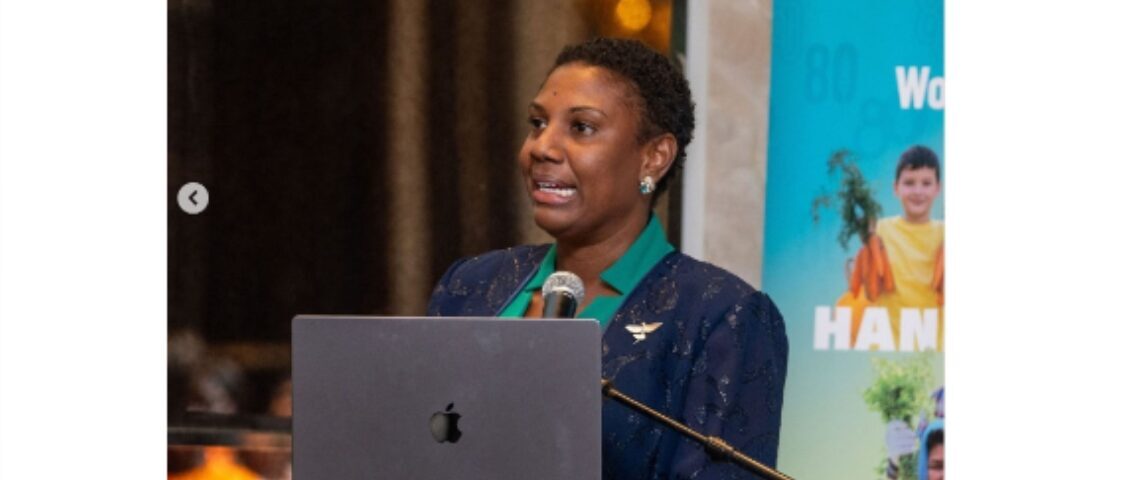
The Food and Agriculture Organization of the United Nations (FAO) team based in Barbados and the wider Caribbean region is mourning the unexpected passing of Dr. Shelly-Ann Cox, Barbados’ top official leading the nation’s fisheries sector. Over the course of her tenure, FAO and Dr. Cox built a robust, productive partnership focused on elevating fisheries and aquaculture development across the island and the broader Caribbean basin. Dr. Cox emerged as an indispensable strategic collaborator in advancing FAO’s Blue Transformation vision, which centers on building a fully sustainable aquatic food economy. In just three years serving as Chief Fisheries Officer, she left an indelible mark on the sector, driven by her sharp technical knowledge, inclusive leadership style, and unwavering dedication to expanding opportunities for young people in fisheries work. Her vision for fishing communities, paired with her unmatched passion and commitment, set her apart as a transformative leader in the region.
One of Dr. Cox’s most defining contributions came during the final drafting and approval phase of Barbados’ 10-year Fisheries Policy, covering 2023 to 2033, an initiative developed with direct support from FAO. Under her guidance, the policy broke new ground by introducing innovative frameworks to add value to fish by-products, turning material long categorized as fishing waste into new avenues for economic growth and environmental sustainability. Her ability to turn high-level policy goals into tangible, actionable change has since become a model for other Caribbean nations working to advance their own sustainable fisheries development pathways.
Plans to update and modernize Barbados’ aging fisheries legislation first emerged before the COVID-19 pandemic, when stakeholders identified gaps in the existing regulatory framework. When public health priorities shifted immediate focus to developing the overarching national fisheries policy under the FAO-supported StewardFish Project, Dr. Cox never lost sight of the broader goal of building a resilient, sustainable national aquatic food system. Building on the foundational work from the policy development process, Dr. Cox stepped into a leading role guiding the legislative process that ultimately produced the 2025 Sustainable Fisheries Management and Development Act, a landmark bill spearheaded by the Government of Barbados.
Her technical expertise and steady leadership shaped every section of the new legislation, which strengthens national fisheries governance, advances ambitious environmental protection targets, expands social protections for workers across the fisheries sector, and ensures Barbados maintains critical access to international markets by meeting the compliance standards of the U.S. Marine Mammal Protection Act. Through these foundational policy and legislative wins, Dr. Cox secured a permanent, positive impact on the sustainable management of Barbados’ fisheries resources and the thousands of livelihoods that depend on them.
In a 2026 meeting with senior FAO leadership held just months before her passing, Dr. Cox shared her bold, clear vision for the future: that Barbados could reach a target of zero fish waste by 2028. That ambitious goal reflected both her relentless drive for progress and her confidence in the work already underway to build a circular, sustainable bioeconomy for the nation’s aquatic food sector.
Dr. Cox’s final collaborative projects with FAO further highlighted her lifelong commitment to lifting regional fisheries capacity. At the time of her passing, she was wrapping up work on a new publication focused on anchored Fish Aggregating Devices (aFADs), a common and essential fishing tool across the Caribbean, and had just launched a regional study on dolphinfish maturity. Barbados was selected as the pilot country for this regional research initiative by the Western Central Atlantic Fishery Commission (WECAFC), a decision that reflected the widespread regional confidence in Dr. Cox’s leadership and Barbados’ advanced technical capacity.
Tributes have continued to flow in from across the region from colleagues, partner organizations, and industry stakeholders who worked with Dr. Cox on FAO-supported initiatives, many of whom have shared how her work impacted their own careers and projects. Beyond her long list of professional achievements, Dr. Cox is remembered for her genuine kindness, contagious enthusiasm for her work, and steady commitment to lifting up other people. Her collaborative approach brought diverse stakeholders together around a shared vision, her leadership inspired confidence and tangible action, and her caring character left a lasting impression on everyone she worked with.
While the sudden loss of Dr. Cox has left a deep gap across the communities and institutions she served, the impact of her life’s work and the memories she created will continue to shape fisheries development across Barbados, the Caribbean, and beyond for decades to come. On behalf of the FAO Subregional Office and Fisheries and Aquaculture Division, Dr. Renata Clarke, FAO Subregional Coordinator, and Yvette Diei Ouadi, FAO Fisheries and Aquaculture Officer, paid tribute to her life and legacy.