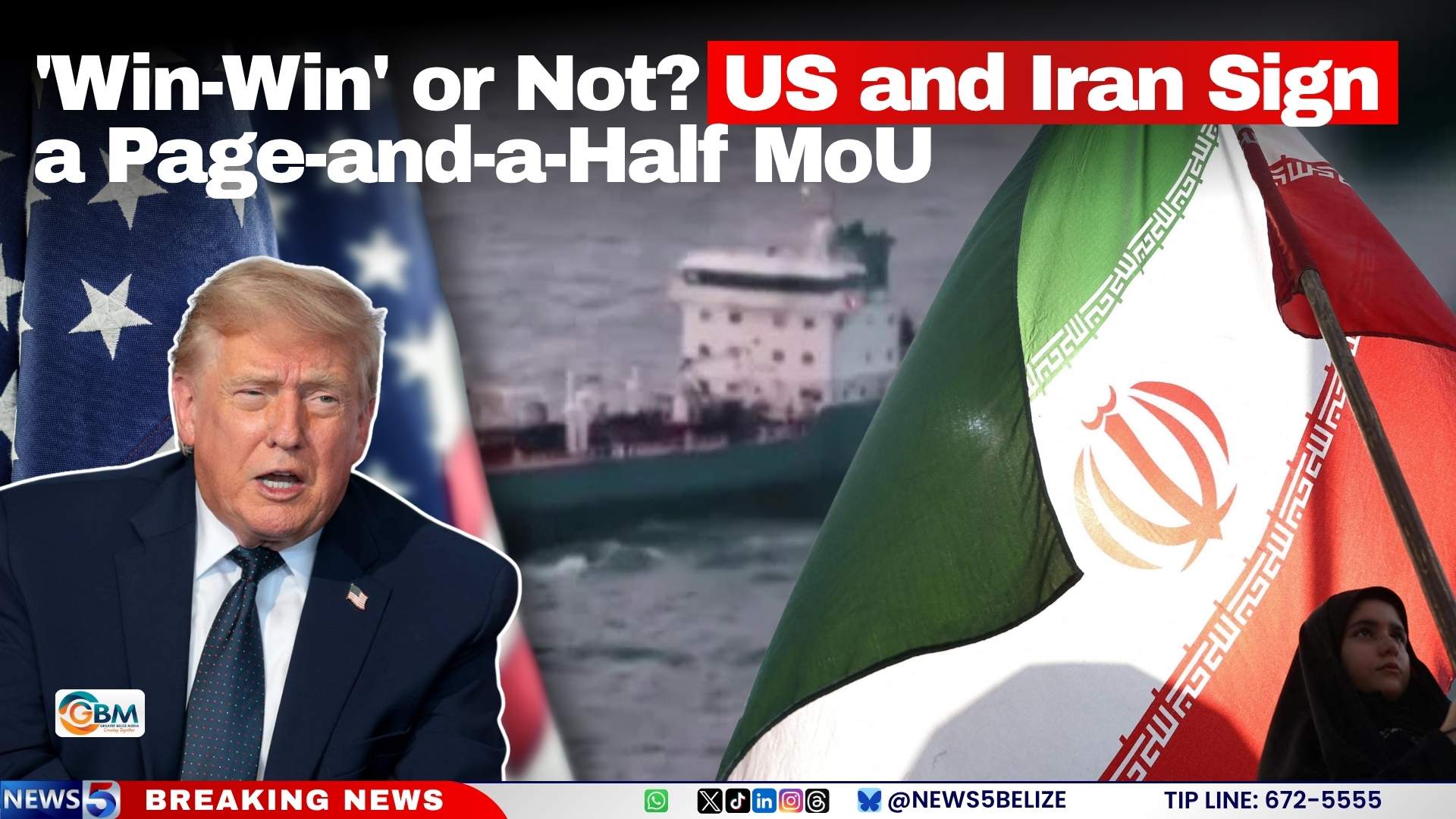
After 109 days of open conflict between the United States and Iran, the two nations have finalized an electronic signature on a short ceasefire memorandum of understanding (MoU), but the fragile deal has already been mired in conflicting claims over its core terms and faces fierce resistance from key regional stakeholders.
The June 16 agreement was billed by former U.S. President Donald Trump as a step toward opening up the strategically vital Strait of Hormuz to full commercial navigation by this coming Friday. Trump confirmed that he, U.S. Vice President JD Vance, and Iran’s chief negotiator and Parliament Speaker Mohammad Bagher Ghalibaf had all appended their signatures to the document. For its part, Iran’s National Security Council framed the deal as a full cessation of hostilities across all active fronts, including the Lebanese theater, and said it would bring an end to the U.S. naval blockade of Iranian territorial ports.
However, major contradictions quickly emerged over the economic terms of the ceasefire. A senior anonymous Iranian official told Reuters that Washington had committed to unlocking $25 billion in Iranian assets that have been frozen by U.S. sanctions and temporarily waiving restrictions on Iranian oil exports. These claims were immediately rejected by Vance, who publicly emphasized that no provisions for sanctions relief or asset unfreezing are included in the text. Vance also clarified the scope of the agreement, describing it as a vague general document that totals only one and a half pages in length.
Under the terms of the current framework, formal negotiations on more substantive issues – including Iran’s nuclear program and the future of U.S. sanctions on the country – are scheduled to begin after the MoU is formally signed in Geneva, Switzerland, on Friday, with a 60-day window allocated for these follow-up talks.
The uncertain terms of the ceasefire have already sent ripples through global energy markets. As traders weighed the potential positive impact of a fully reopened Strait of Hormuz – through which roughly 20% of the world’s daily oil supplies pass – against the lack of clarity around the agreement’s actual guarantees, international crude prices moved upward in early trading.
The deal also faces a major challenge from Israel, a key U.S. ally in the Middle East that has been actively involved in the regional conflict. Israeli Prime Minister Benjamin Netanyahu announced that Israeli military forces will continue their occupation of southern Lebanon regardless of the U.S.-Iran ceasefire agreement, and senior members of Netanyahu’s cabinet have explicitly stated that Israel does not consider itself bound by the terms of the MoU. Even as leaders on both sides claim a breakthrough toward de-escalation, ongoing fighting is still being reported in multiple conflict zones across the region, leaving the durability of the fragile ceasefire in serious doubt.