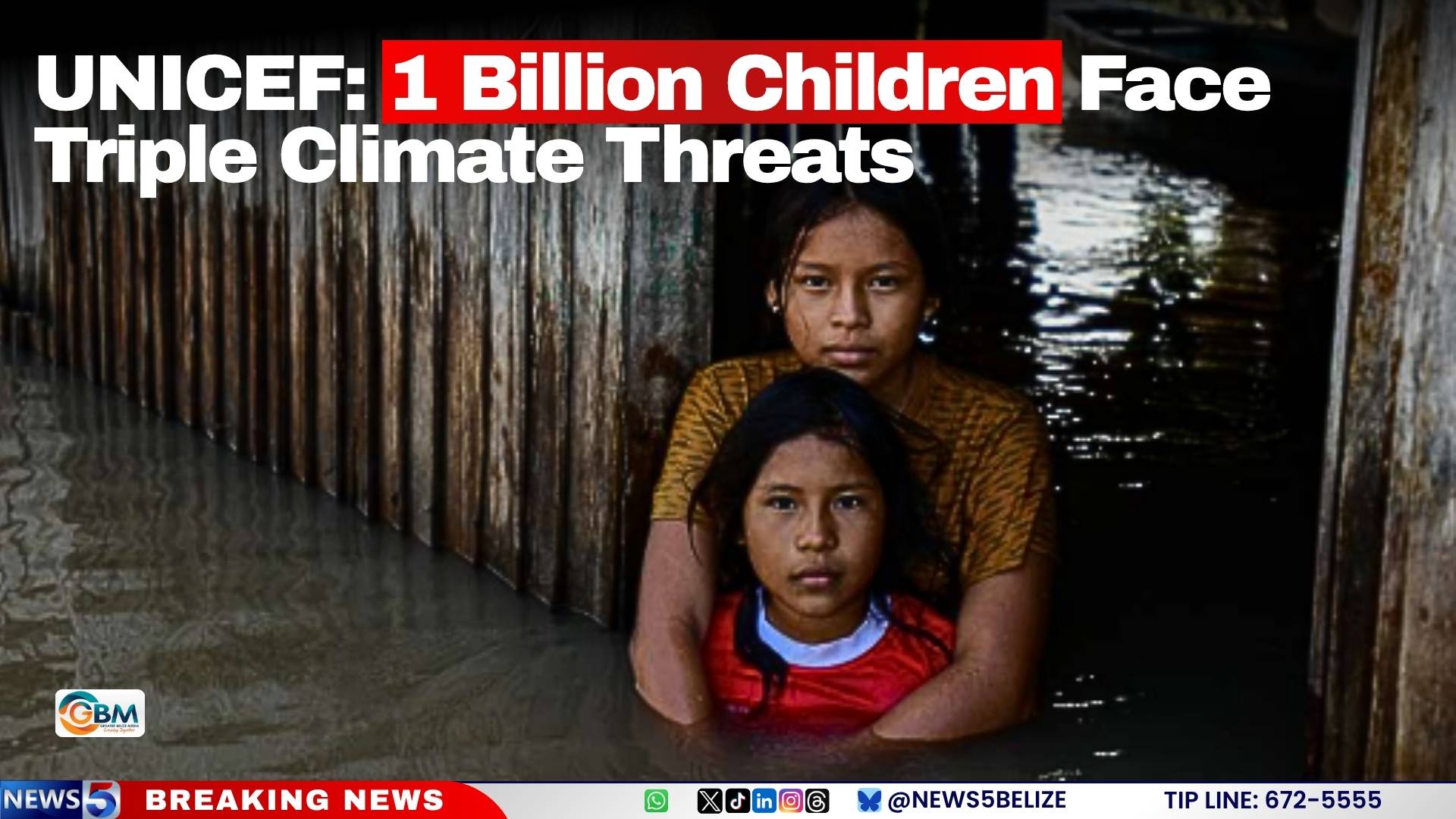
A startling new 2026 assessment from UNICEF has laid bare the unprecedented climate vulnerability of children across the globe, revealing that more than one billion young people are currently exposed to at least three overlapping climate-driven hazards that directly threaten their health, development and very survival.
The Children’s Climate Risk Report 2026, the most comprehensive recent analysis of childhood exposure to climate-linked threats, maps the spread of eight major climate hazards: coastal flooding, chronic drought, extreme heat events, unregulated wildfires, sustained heatwaves, riverine flooding, sand and dust storms, and destructive tropical cyclones. Its findings paint a grim picture: nearly every child worldwide lives with the threat of at least one of these climate events, while an astounding 4 million children contend with the simultaneous strain of six distinct hazards.
Small island developing nations (SIDS) bear the brunt of this systemic risk. In 24 SIDS, including Haiti and several other Caribbean nations, 100% of the child population faces the threat of catastrophic tropical storms, powerful enough to submerge entire islands and cripple critical infrastructure such as water systems, hospitals and communication networks. Belize, a Caribbean coastal nation with a long history of devastating hurricane strikes and chronic flooding, shares the same extreme level of climate risk for its children.
At the global level, the most prevalent combination of overlapping threats is drought paired with extreme heat and sustained heatwaves, a toxic trio that puts more than 296 million children at risk. The second most common cluster adds tropical storms to this combination, exposing an additional 115 million children to cascading climate harms.
The report expands its analysis beyond extreme weather to account for secondary climate-linked health risks: air pollution and malaria, both of which have grown more severe as global temperatures rise. It notes that nearly every child on Earth is impacted by climate-worsened air pollution, while a full one billion children face elevated risk of contracting malaria.
In response to these findings, UNICEF has issued an urgent call to action for national governments worldwide. The organization urges policymakers to immediately cut global greenhouse gas emissions, the root driver of accelerating climate hazards, invest in climate-resilient schools and healthcare facilities to protect children during disasters, and explicitly prioritize children’s needs in all national climate adaptation planning.