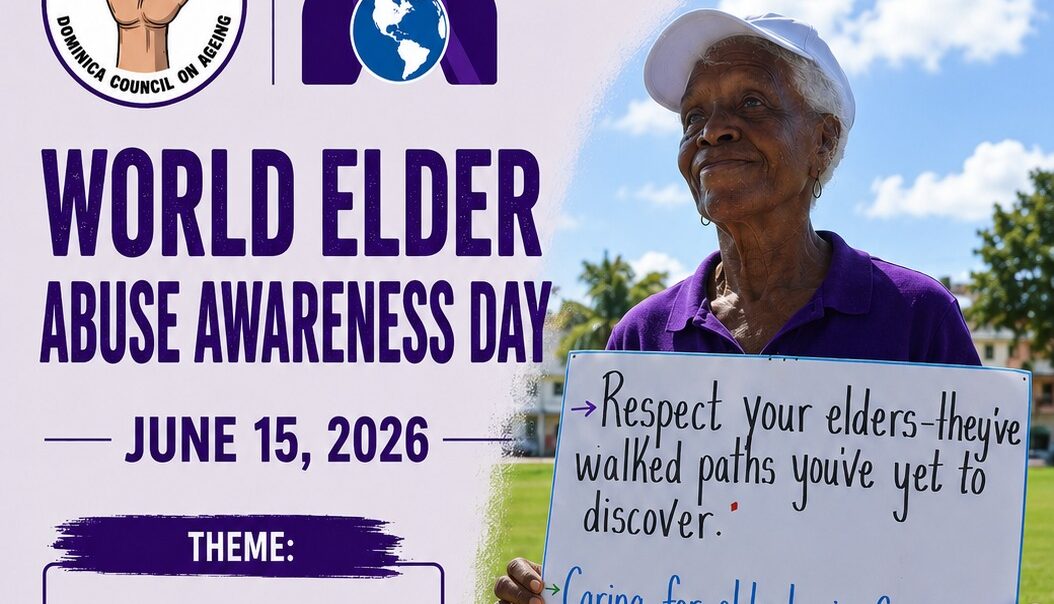
On June 15, 2026, communities and organizations across the globe observe World Elder Abuse Awareness Day, an annual initiative dedicated to shining a light on a pervasive, underrecognized violation of older people’s human rights. This year’s official theme, Beyond Awareness, Making Elder Abuse Prevention Work, paired with the sub-themes Stand Against Elder Abuse, Refuse to Abuse, marks a clear shift from acknowledging the crisis to demanding tangible, widespread change to protect vulnerable older populations.
First established as a global reminder, World Elder Abuse Awareness Day reaffirms a core truth: all older people deserve to live their lives in dignity, security, and freedom from any form of mistreatment. Unlike past campaigns that centered primarily on raising public consciousness, 2026’s theme challenges governments, institutions, communities, and individuals to move beyond recognition and implement systemic changes that prevent abuse before it occurs. The sub-themes reinforce this message, framing elder abuse prevention as a shared responsibility rather than a task limited to official bodies.
Global data and on-the-ground reports consistently show that elder abuse remains one of the world’s most underreported human rights violations. Most incidents occur behind closed doors, often perpetrated by people victims know and trust—family members, paid caregivers, or close community contacts. Mistreatment takes many insidious forms, ranging from physical, emotional, and psychological abuse to financial exploitation, neglect, abandonment, and systemic age-based discrimination. Too often, abuse is hidden behind common stressors like family conflict or overwhelmed caregiving, but its impacts are severe and long-lasting: victims face heightened risk of physical injury, chronic emotional trauma, loss of autonomy, social isolation, declining health, and even premature death.
This year’s campaign emphasizes that awareness, while a critical first step, is not enough to end the crisis. To turn commitment into impact, the initiative outlines four key priority areas for action. First and foremost is building a culture of radical respect for older people. Far from being societal burdens, older adults are invaluable community members—they are parents, grandparents, mentors, teachers, former public servants, frontline workers, and leaders who have built and continue to contribute to societies around the world. Campaign organizers stress that challenging ageism, the harmful stereotypes and prejudice that erase older people’s worth, is the foundational step to prevention. When respect for older people is normalized in homes, schools, workplaces, and communities, the conditions that enable abuse are drastically reduced.
A second priority is expanding support for families and caregivers. While millions of caregivers provide dedicated, compassionate care to older loved ones under challenging circumstances, caregiving often places extreme physical, emotional, and financial strain on individuals. Prevention efforts must ensure caregivers have reliable access to training, mental health support, respite care, and community resources to reduce stress that can lead to harmful outcomes. At the same time, older people themselves must be empowered with clear information about their fundamental human rights, so they can recognize mistreatment and advocate for themselves.
Third, the campaign calls for expanding accessible reporting pathways and early intervention. Silence remains the single biggest barrier to addressing elder abuse: many victims choose not to come forward out of fear of retaliation, shame, broken family ties, or involuntary institutionalization, while others do not know where to turn for help. Communities must be educated to recognize common warning signs of abuse, and systems must be built to offer safe, confidential, stigma-free routes for reporting. Early intervention stops situations from escalating and helps restore safety and dignity to victims much faster.
Finally, the initiative pushes for the development of fully age-friendly communities, where prevention is embedded across all levels of society. In line with this goal, the Dominica Council on Aging has already rolled out targeted training for relevant stakeholders focused on educating participants on older people’s legal rights, equipping community members with the knowledge they need to prevent mistreatment and work toward full eradication of abuse.
As the 2026 observance gets underway, organizers are issuing a universal call to action: every person has a role to play in respecting, valuing, and protecting older people, and upholding the vital contributions they have made and continue to make to our world. By working together across sectors and communities, we can build a future where elder abuse is no longer tolerated, and all older people can age with the dignity they deserve.