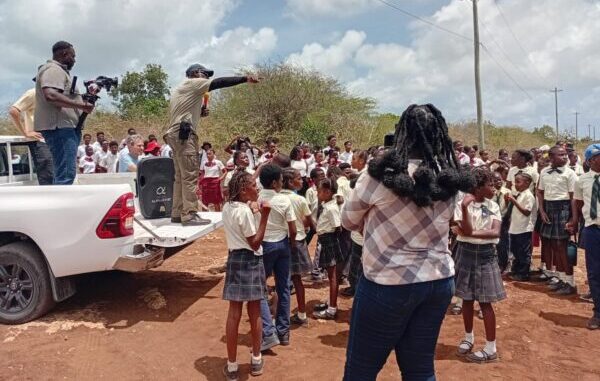
The small Caribbean island of Barbuda has wrapped up a three-day, comprehensive tsunami preparedness drill that marks a critical milestone in its quest to earn the globally recognized Tsunami Ready designation from UNESCO. Held between May 26 and 28, the exercise was spearheaded by Antigua and Barbuda’s National Office of Disaster Services (NODS), and drew cross-sector collaboration from local educational institutions, government disaster response teams, international disaster risk experts, and community groups all aligned to advance the island’s long-term goal of securing and retaining official Tsunami Ready status.
The Tsunami Ready Recognition Programme, operated by UNESCO’s Intergovernmental Oceanographic Commission (IOC), is a widely accepted global framework designed to boost community resilience against tsunami hazards. To qualify for the designation, communities must meet clear standards: sustained public education on tsunami risks, functional standardized early warning systems, formally documented and tested evacuation plans, and regular preparedness drills. This recent exercise in Barbuda is the first formal requirement the island has completed to move forward in the evaluation process for the recognition, which is only granted to communities that have fully implemented risk reduction measures tailored to their local tsunami threat.
The initiative kicked off on May 26 with educational outreach activities at two of Barbuda’s main schools: Holy Trinity Primary School and Sir McChesney George Secondary School. During the school visits, participating students and faculty took part in interactive workshops covering key topics including the nature of local tsunami hazards, basic individual and community preparedness actions, and step-by-step evacuation protocols. The outreach effort was designed to embed safety knowledge among young residents, who can in turn share that information with their families and broader community networks.
The full-scale exercise concluded on May 28 with an island-wide community evacuation drill, with a primary focus on the two participating secondary and primary schools to test the evacuation procedures that had been discussed just days prior. The drill successfully tested response times, route clarity, and communication between school administrators, disaster management officials, and community volunteers.
In comments following the completion of the exercise, NODS Director Sherrod James emphasized the foundational role of broad community engagement in effective disaster preparedness. “This exercise demonstrates the importance of community involvement in disaster preparedness,” James stated. “By engaging young people and conducting practical evacuation exercises, we are helping to ensure that Barbuda remains prepared to respond effectively to tsunami threats.”
The drill received technical and operational support from a multi-national team of local and international disaster risk specialists. Leading the international contingent was Christa von Hillebrandt-Andrade, Manager of the National Oceanic and Atmospheric Administration (NOAA) International Tsunami Information Center Caribbean Office (ITIC-CAR). They were joined by Emiliano Rodriguez Nuesch, Director at Risk Communications Agency Pacifico and a leading expert in risk communication and behavioural science, as well as Diego Voloschin, a videographer documenting the exercise for future training and outreach use.
Local technical support was provided by members of the NODS team including Alvah Guishard, NODS’ GIS mapping specialist, and Daryl George, Project Officer in the NODS Project Management Unit. Additional support came from John Mussington, Chairman of the Barbuda Council and a dedicated consultant for the Barbuda Tsunami Ready initiative, alongside a number of other local technical specialists.
Following the successful completion of the exercise, NODS issued formal statements thanking the leadership, teaching staff, and student bodies of both participating schools for their energetic participation and commitment to building a local culture of safety and disaster resilience. The agency also extended gratitude to Antigua and Barbuda’s Ministry of Education for its ongoing backing of the Tsunami Ready initiative.