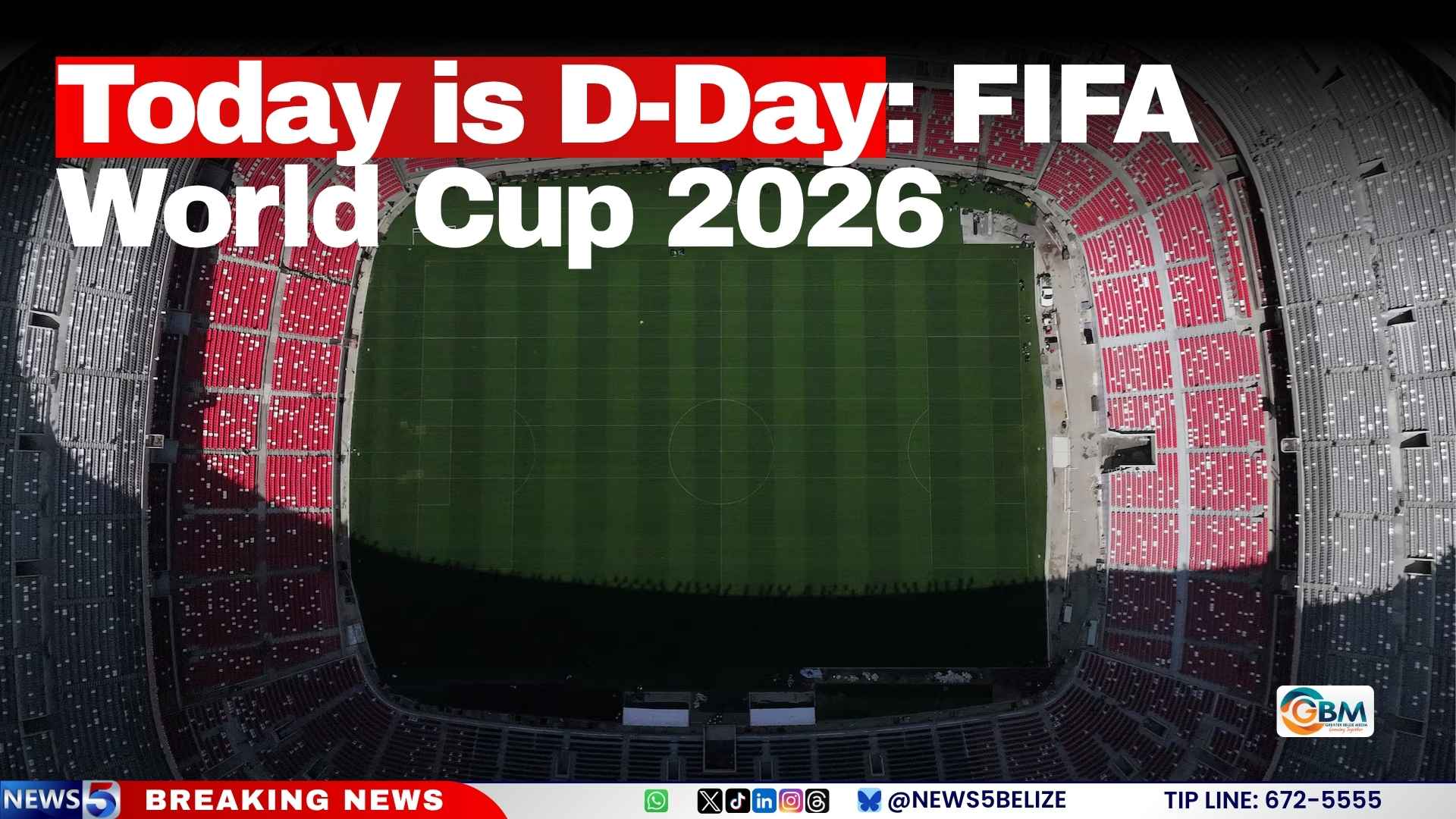
After years of anticipation, the 2026 FIFA World Cup – the largest edition in the tournament’s 96-year history – officially gets underway on June 11 in Mexico City, launching a six-week festival of football that will feature 104 matches across three host nations. The opening day’s schedule begins with a star-studded opening ceremony at Mexico City Stadium, headlined by Colombian pop icon Shakira and acclaimed Nigerian afrofusion artist Burna Boy, who will take the stage to perform the tournament’s official anthem “Dai Dai”. The ceremony is set to kick off at 11 a.m. local time, with two hours later the host nation’s team stepping onto the same pitch for their opening Group A clash against South Africa.
Later the same day, the Group A action continues at Guadalajara’s Estadio Akron, where South Korea will face Czechia to round out the first day of tournament play. Ahead of the opening Mexico-South Africa fixture, statistical forecasts generated from 10,000 computer-simulated match outcomes give Mexico a 66% probability of securing three points to open their campaign, while South Africa holds just a 14% chance of an upset victory. Bafana Bafana head coach Hugo Broos did not shy away from the magnitude of the challenge ahead of kickoff, telling reporters that his squad is prepared to compete for every possession against what he described as the strongest side in Group A. He also noted that the energy of 85,000 cheering Mexican supporters in the stands creates an additional competitive edge that the host side will carry into the match.
While the world turns its attention to the opening of the world’s most-watched sporting event, the lead-up to the tournament has not been free of controversy. Multiple protest movements have surged across Mexico City in the weeks and days before kickoff, with demonstrations organized by teachers, transport labor unions, small-scale farmers, and family members of missing persons. Protesters have blocked major roadways near Estadio Azteca and dismantled temporary World Cup installations around the capital, demanding policy changes including higher public sector wages, pension reform, and urgent government action on long-unresolved national social issues.
A separate diplomatic controversy has also emerged in the lead-up to kickoff: a Somali referee appointed to officiate matches at the tournament has been barred from entering the United States, one of the three 2026 host nations. Citing anonymous sources, Agence France-Presse reports that a U.S. State Department official confirmed the entry denial was issued over alleged links to suspected members of terrorist organizations, a claim that has not been independently verified as of opening day.
Beyond social and diplomatic tensions, the 2026 tournament also makes history as the most expensive World Cup ever staged. For the first time in the competition’s history, FIFA implemented dynamic ticket pricing, a model that increases match ticket costs as consumer demand rises. During the initial ticket sales window, the governing body received more than 500 million requests for tickets, pushing prices for some high-demand seats to unprecedented levels. The steep pricing has already had unintended economic consequences for local host communities: Reuters reports that projected waves of international football fans have failed to materialize, leaving hotels in host regions scrambling to cut room rates to fill vacancies, while overall cross-border flight bookings for tournament visitors remain well below pre-tournament projections.
As the opening ceremony gets underway, football fans across the globe are now waiting to see if on-pitch action can overshadow the pre-tournament disputes, and whether the expanded 48-team format – which created the historic 104-match schedule – will deliver a memorable tournament that lives up to expectations.