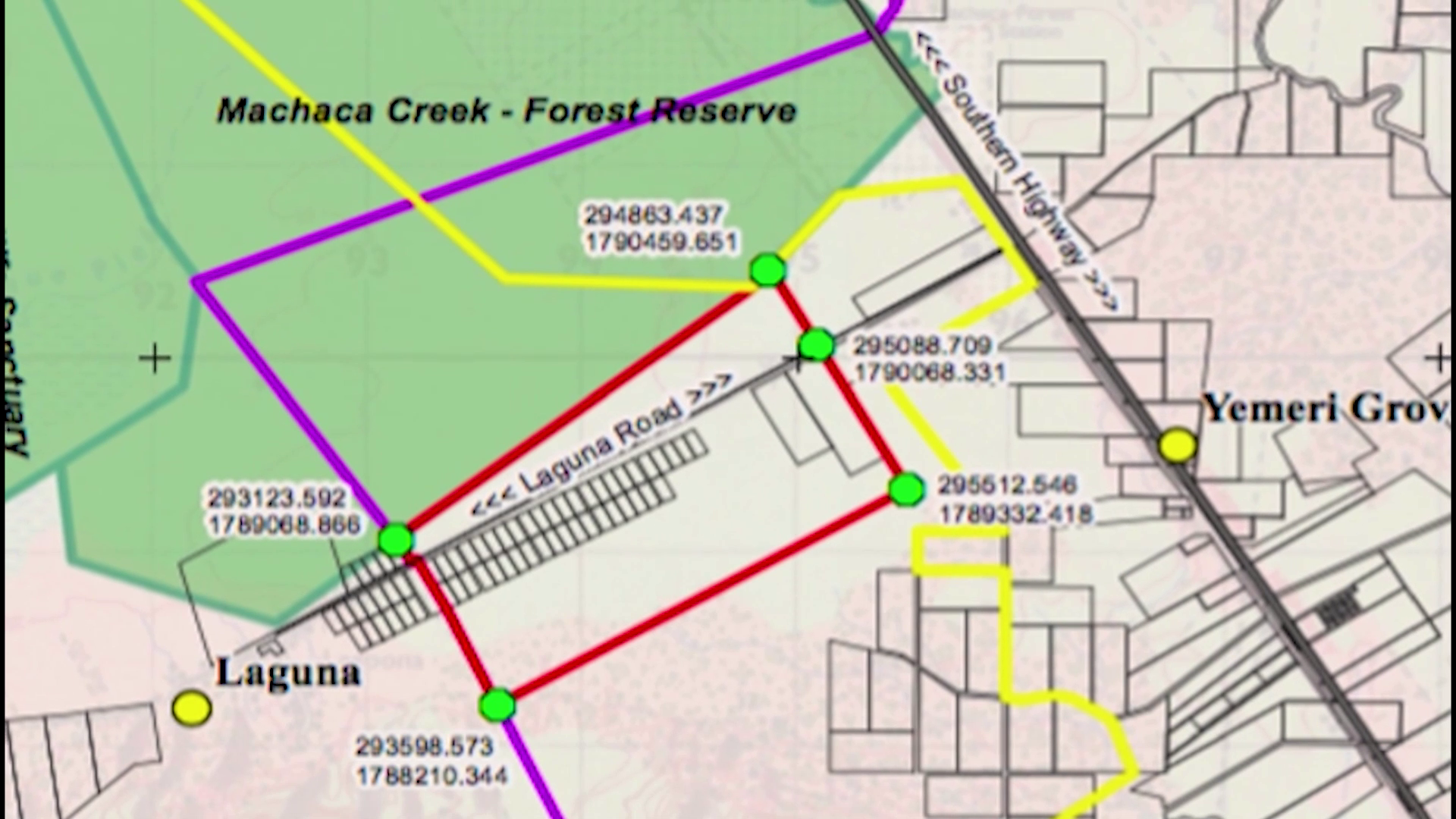
As Belize navigates longstanding debates over historical land claims across the nation’s major Indigenous and ethnic communities, a rare display of cross-community solidarity has emerged to head off growing tensions that threaten to split the country along ethnic lines. Leaders from three of Belize’s most prominent population groups—the Maya, Garifuna, and Kriol communities—have jointly issued a call for unity, emphasizing that competing historical land claims do not need to devolve into ethnic conflict. Each group continues to stand firm in advancing its own unique historical claims to territory, but all have rejected efforts to frame the ongoing national conversation around land rights as a battle between ethnic identities.
Dr. Louis Zabaneh, Belize’s Minister of Indigenous People’s Affairs, has echoed this unifying call, reinforcing the shared history of cooperation that has defined the country since its founding. “We certainly want to keep in mind that we’ve worked all together as different ethnic groups. We’ve worked very hard to build Belize, right, from the fight for independence all the way through to today. It’s been because of the hard work, the sacrifice of all of our people coming together,” Zabaneh said in remarks published as part of a national evening newscast.
The minister stressed that the country’s cultural and ethnic diversity should be leveraged as a source of national strength, rather than a wedge for division. “Now we have to respect each other’s histories and whatever differences we have we really use that as a source of strength, of diversity, right?” he noted.
To create a structured, inclusive space for all voices to be heard, the Ministry of Indigenous People’s Affairs is partnering with the University of Belize to host a national land rights forum scheduled for June 22, 2026. The event will be structured as a panel discussion designed to center perspectives from every major stakeholder group across the ideological and ethnic spectrum. Attendees and panelists will include government representatives, officials from the Maya Leaders Alliance and the Toledo Alcaldes Association, members of the Toledo Lease Landowners association representing third-party interests, delegates from non-Maya ethnic communities, non-governmental organizations focused on sustainable management of Belize’s protected areas, and even delegates from Maya communities that hold differing views on the path forward for land rights negotiations.
Zabaneh emphasized that the forum’s core goal is transparency: to showcase the full range of perspectives on the issue to the Belizean public, rather than pushing a single narrative. He acknowledged that the land rights debate is an inherently delicate and tense issue, requiring careful and respectful engagement from all parties involved. “It’s a tenuous situation that very delicate, and it is incumbent on all stakeholders, each one individually, to work to ensure that we keep our country strong, that we do everything in a respectful way, that we look out for each other, and that we communicate openly, frankly, but respectfully so that we could find common ground because there is common ground. And the most – the basic common denominator is that we’re Belizeans,” Zabaneh said.
This newscast is a direct transcript of an evening television broadcast, with Kriol language content transcribed using a standardized spelling system for accessibility.