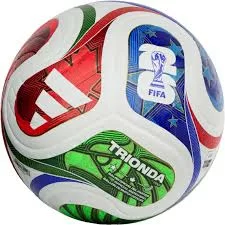
The 23rd edition of the FIFA World Cup, the world’s biggest quadrennial football spectacle, officially gets underway today, marking an unprecedented milestone in the tournament’s 96-year history. For the first time ever, 48 nations will compete for football’s most coveted trophy – a 50% expansion from the previous 32-team format that has been in place since 1998.
This expanded format brings far-reaching ripple effects across the globe. With more national teams qualifying for the final tournament, millions more fans are traveling to the host venues to cheer on their sides, while billions more across every continent are tuning in via television, radio, traditional media outlets and digital streaming platforms to follow their nations’ progress. More people than ever before have a personal connection to the tournament, whether a friend or family member competing on the pitch, or a local community tie to one of the participating federations. Also making history, this iteration is the first to be co-hosted by three countries – the United States, Mexico and Canada – meaning three separate national economies will directly reap the economic benefits of this massive global event, from increased tourism to infrastructure investment.
For football fans around the world, daily routines are being upended to make time for matches: many rearrange work and personal schedules to catch their favorite stars in action, while casual viewers gather with friends and family to enjoy the communal excitement of the tournament. Even for those who do not follow football regularly, the World Cup’s cultural omnipresence makes it impossible to avoid. Global brands and retailers have seized on the tournament’s unparalleled popularity to drive sales, rolling out co-branded products, themed marketing campaigns and special promotions in nearly every country, even those whose teams failed to qualify for the final round. This widespread commercialization has led many observers to note that the World Cup is gradually shifting from a purely sporting competition to a massive global commercial enterprise.
This year’s tournament also breaks new ground in fan engagement: it is the first World Cup that allows supporters across the planet to follow every moment of action in real time across a wide range of digital and social media platforms, with instant live updates, behind-the-scenes content and interactive fan discussions bringing the tournament closer to global audiences than ever before. Social media data from pre-tournament buildup shows that billions of fans around the world have been eagerly anticipating the kickoff, with World Cup fever reaching even nations that did not qualify. In Suriname, for example, hype for the tournament remains high despite the men’s national team missing out on the final round, and most local fans find the match kickoff times perfectly aligned with their daily schedules. The excitement does present one challenge for local communities though: the tournament’s opening coincides with the start of final secondary school exams, requiring young student fans to practice strong discipline to keep their studies as a top priority.
While the 2026 World Cup is poised to deliver weeks of joy and sporting drama for global audiences, this expanded, multi-nation iteration is not without its growing challenges that could dampen the celebratory atmosphere if left unaddressed. In recent weeks, reports of planned public demonstrations have emerged in co-host Mexico, while the United States has boosted security deployments across its host venues to prevent potential civil unrest. To date, third co-host Canada has remained the least controversial of the three host nations, with no major security or political disruptions reported in the lead-up to kickoff.