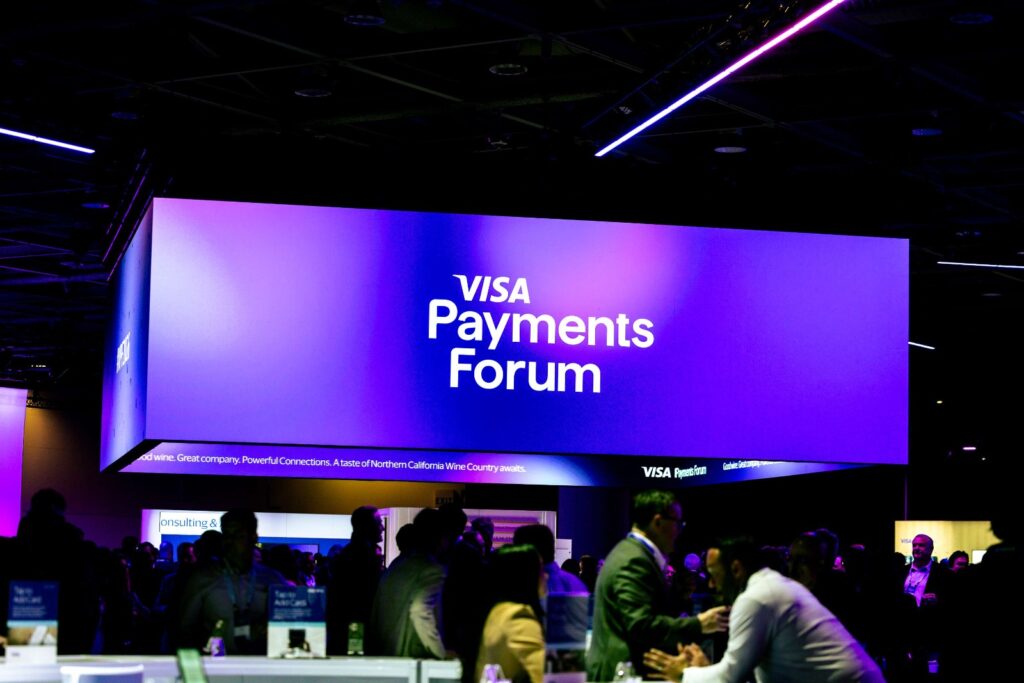
The global payments leader Visa has announced a new strategic collaboration with artificial intelligence research firm OpenAI, aiming to embed secure, user-controlled payment capabilities directly into AI-driven commerce tools. The partnership was unveiled publicly on June 10 during the annual Visa Payments Forum held in San Francisco, marking a major step forward in preparing global digital commerce for the rise of AI agent-driven transactions.
Under the terms of the collaboration, Visa will weave its existing worldwide payment infrastructure — including its global processing network, digital credentialing systems, industry-leading tokenization technology, and advanced fraud prevention frameworks — directly into OpenAI’s AI-powered products and experiences. This integration will allow autonomous AI agents to initiate legitimate transactions on behalf of consumers and businesses, all while retaining strict oversight and control by the end user.
Visa officials note that this joint project fits neatly into the company’s broader Visa Intelligent Commerce strategy, an ongoing effort to expand the reach of secure payment processing into emerging digital ecosystems beyond traditional e-commerce and in-person shopping. Beyond consumer-facing use cases, the two companies also plan to explore new enterprise applications, including developer tools built on OpenAI’s Codex AI model, and more streamlined automated conversational business workflows.
The partnership arrives at a pivotal moment for the AI and payment industries, as both sectors shift beyond the current generation of text-based chatbots toward developing more capable autonomous systems that can complete end-to-end tasks for users. That includes everything from scheduling appointments and organizing travel to placing orders, settling invoices, and processing other types of commercial transactions.
To address growing concerns about data security and unauthorized spending, Visa emphasized that all AI-initiated payments will operate within clear, user-defined permission parameters. These controls include customizable spending caps, restrictions on approved merchant categories, and mandatory user approval for transactions that meet pre-set criteria. Every transaction will leverage Visa’s tokenized credential system, real-time risk-based authorization, and 24/7 AI-powered fraud monitoring to protect users’ financial data.
“AI will reshape global commerce more deeply than either the internet or mobile technology did in their early days,” said Jack Forestell, Visa’s chief product and strategy officer, in a statement ahead of the forum. “As AI agents become active, everyday participants in the global economy, Visa’s core priority is to make sure every transaction they process remains trusted, fully secure, and completely seamless for all parties.”
Marco Mahrus, OpenAI’s head of commerce partnerships, echoed that perspective, noting that industry analysts broadly expect AI agents to take on an increasingly large role in helping people complete money-related tasks. These range from routine everyday purchases and bill payments to far more complex multi-step commercial transactions that currently require hours of manual work from consumers or business teams.
Ultimately, the collaboration is designed to give developers and merchants across industries a simplified, standardized pathway to accept Visa payments that are initiated by AI agents, without sacrificing the core pillars of security, transaction transparency, and end-user control that have become hallmarks of the modern payment ecosystem.