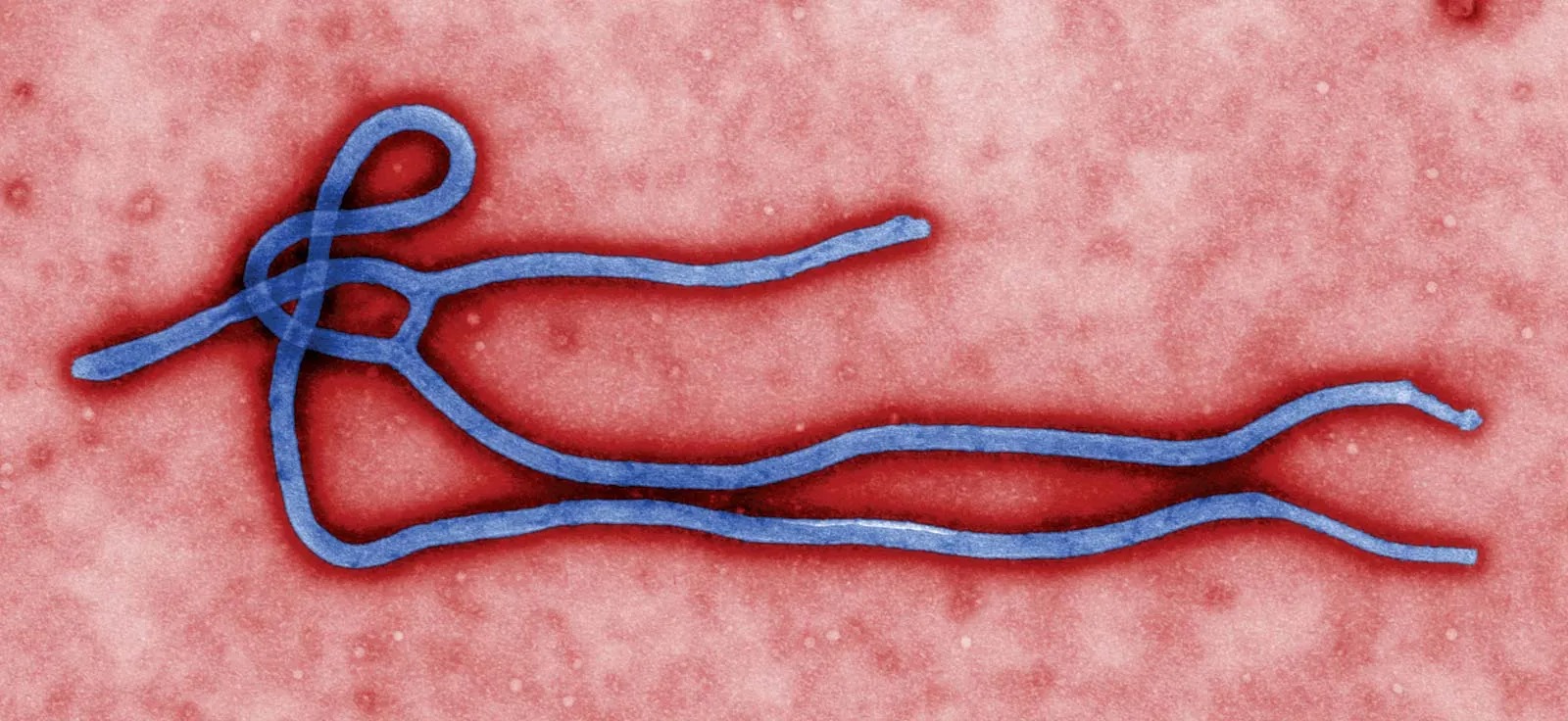
In response to the ongoing Ebola outbreak that has spread across parts of Africa and been declared a Public Health Emergency of International Concern by the World Health Organization, the Caribbean nation of Saint Lucia has ramped up its proactive preparedness and surveillance measures to prevent a potential imported case. The country’s Ministry of Health, Wellness and Nutrition outlined the expanded national response framework in an official statement released on Monday.
At the regional level, coordinated action led by the Caribbean Public Health Agency (CARPHA), in partnership with CARICOM IMPACS, has reactivated an advanced traveler screening protocol across Caribbean ports of entry. Leveraging the existing Advanced Passenger Information System (APIS), the program automatically flags any passengers who have departed from or transited through regions currently experiencing active Ebola transmission. Regional health authorities note that this risk-based screening strategy is crafted to prioritize early detection of any potential travel-linked Ebola cases, while keeping unnecessary disruptions to cross-border travel and commercial trade to a minimum.
Alongside regional screening efforts, Saint Lucia is moving forward with targeted national updates to its emergency response infrastructure. National health officials are currently conducting a full review and revision of the country’s national Ebola response plan in close collaboration with local hospitals, private healthcare providers, and other key public health stakeholders. A comprehensive nationwide needs assessment is also underway, with results set to guide future equipment procurement and resource allocation should an emergency response be required.
Capacity building for frontline personnel has already been rolled out across multiple sectors. Training and public sensitization sessions have been completed for healthcare workers, as well as representatives from the education, tourism, and business industries, all of which play critical roles in detecting and containing potential imported infections. Additional targeted interventions are also being implemented at airports, seaports, and other entry points to strengthen protocols for identifying, reporting, and managing travelers who may have been exposed to Ebola or have visited affected African countries within the 21-day Ebola incubation period.
A major expansion of regional testing capacity has also been achieved, eliminating the need to send suspected samples thousands of miles for confirmation. CARPHA’s Regional Referral Laboratory now has full capability to process Ebola virus tests, and the agency has already established coordinated logistics networks to transport suspected specimens from member states to the regional facility for rapid testing.
The current Ebola outbreak is concentrated primarily in the eastern Democratic Republic of Congo and Uganda, with the Africa Centres for Disease Control and Prevention (Africa CDC) classifying 11 additional neighboring countries as high-risk for spillover transmission: South Sudan, Rwanda, Kenya, Zambia, the Central African Republic, Tanzania, Ethiopia, Angola, the Republic of Congo, and Burundi.
While CARPHA’s ongoing risk assessment still categorizes the overall threat of an Ebola outbreak in the Caribbean as low, regional health leaders have emphasized that the possibility of a travel-related importation cannot be ignored. The Caribbean region maintains extensive air and sea travel connections with Africa and other global regions, creating a persistent pathway for imported cases.
Saint Lucia’s health ministry says the country will continue its close collaboration with regional public health agencies on prevention planning, early detection protocols, and response coordination. The government is also developing a dedicated public communication strategy to provide Saint Lucia’s residents with accurate, up-to-date information about Ebola, clear guidance on how to recognize early symptoms, and steps to seek prompt medical care if exposure is suspected. Officials added that they will continue monitoring the evolving outbreak situation closely and will release new public updates as conditions change.