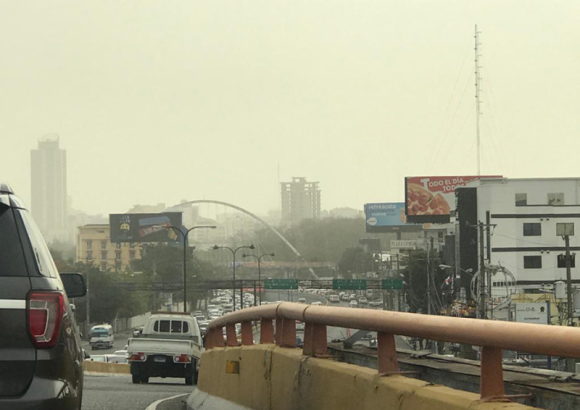
As the annual wave of Saharan dust descends on the Caribbean nation alongside early hurricane season heatwaves, the country’s Ministry of Health has rolled out a series of urgent public health guidelines to protect vulnerable populations from avoidable respiratory and heat-related complications.
This recurring atmospheric event, which originates from wind-eroded particles in the Sahara Desert, follows consistent seasonal patterns, arriving in the Caribbean between May and August each year and overlapping with the start of Atlantic hurricane season. While intensity fluctuates annually, the current surge in dust concentrations paired with unseasonably high temperatures has prompted health officials to step up public outreach.
Saharan dust particles suspended in the air pose the greatest risk to people with preexisting respiratory conditions, including asthma, allergies, chronic obstructive pulmonary disease (COPD), pulmonary fibrosis, and pneumonia. The tiny irritants can easily aggravate underlying symptoms, trigger sudden flare-ups, and even lead to severe complications that require medical intervention for at-risk groups. In addition to respiratory impacts, the dust also frequently causes temporary eye irritation, and can amplify regional temperatures by trapping heat in the lower atmosphere, worsening heat-related health risks.
Addressing the public this week, Health Minister Victor Atallah emphasized the importance of proactive prevention, particularly for high-vulnerability demographics. “Right now, we are navigating a period of elevated temperatures and unusually high Saharan dust concentrations, both of which put respiratory health at risk,” Atallah stated. “We urge all residents to take simple precautions, stay properly hydrated, and limit unnecessary sun exposure—this advice is especially critical for anyone living with chronic respiratory conditions.”
The Ministry of Health has identified five key vulnerable groups that require extra monitoring and precaution: older adults, young children, pregnant and postpartum people, immunocompromised patients, and individuals living with any chronic long-term health condition.
To address both dust and heat risks, health officials have outlined a clear set of actionable recommendations for the public. For respiratory protection, people with preexisting conditions are instructed to strictly adhere to their prescribed treatment plans and intensify protective measures to avoid exposure. For eye health, officials advise avoiding rubbing irritated eyes and maintaining consistent hand and eye hygiene to reduce irritation and prevent secondary infection.
To combat rising temperatures, the Ministry recommends drinking sufficient water throughout the day to stay hydrated, wearing loose, light-colored lightweight clothing that reflects heat, and limiting extended outdoor activity between 10 a.m. and 4 p.m., when temperatures and UV exposure are at their peak. The guidance also encourages eating a balanced diet low in excess fat, salt, and sugar to support overall health during extreme heat, and regularly wiping down indoor surfaces with damp cloths to reduce accumulated dust particles inside homes and public spaces.
Officials note that while Saharan dust intrusions are a normal seasonal occurrence in the Caribbean, the combination of high dust concentrations and heat can create significant public health risks when communities fail to take basic precautions. The Ministry is urging all residents to monitor official public health updates for changing conditions and follow all guidance from local health authorities to protect themselves and their families.