A proposed $47 million investment aimed at shaping Belize’s social and economic future is set for a vote in the country’s House of Representatives, and it has already ignited heated debate over transparency and implementation strategy. The Briceño administration has applied for approval to secure the financing package from the World Bank’s International Development Association, with two core policy priorities at the initiative’s center: expanding access to high-quality early childhood development and boosting economic empowerment opportunities for women across the country.
Under the outlined plan, the funding will be allocated to multiple key initiatives: constructing new preschool facilities to address gaps in early education access, upgrading and strengthening existing early childhood support services, and fostering collaborative partnerships with the private sector to create more accessible, high-quality employment opportunities for women. Government leaders frame the investment as a far-reaching, generational investment in Belize’s human capital, arguing that improving early education and closing gender employment gaps will lay the foundation for long-term inclusive economic growth.
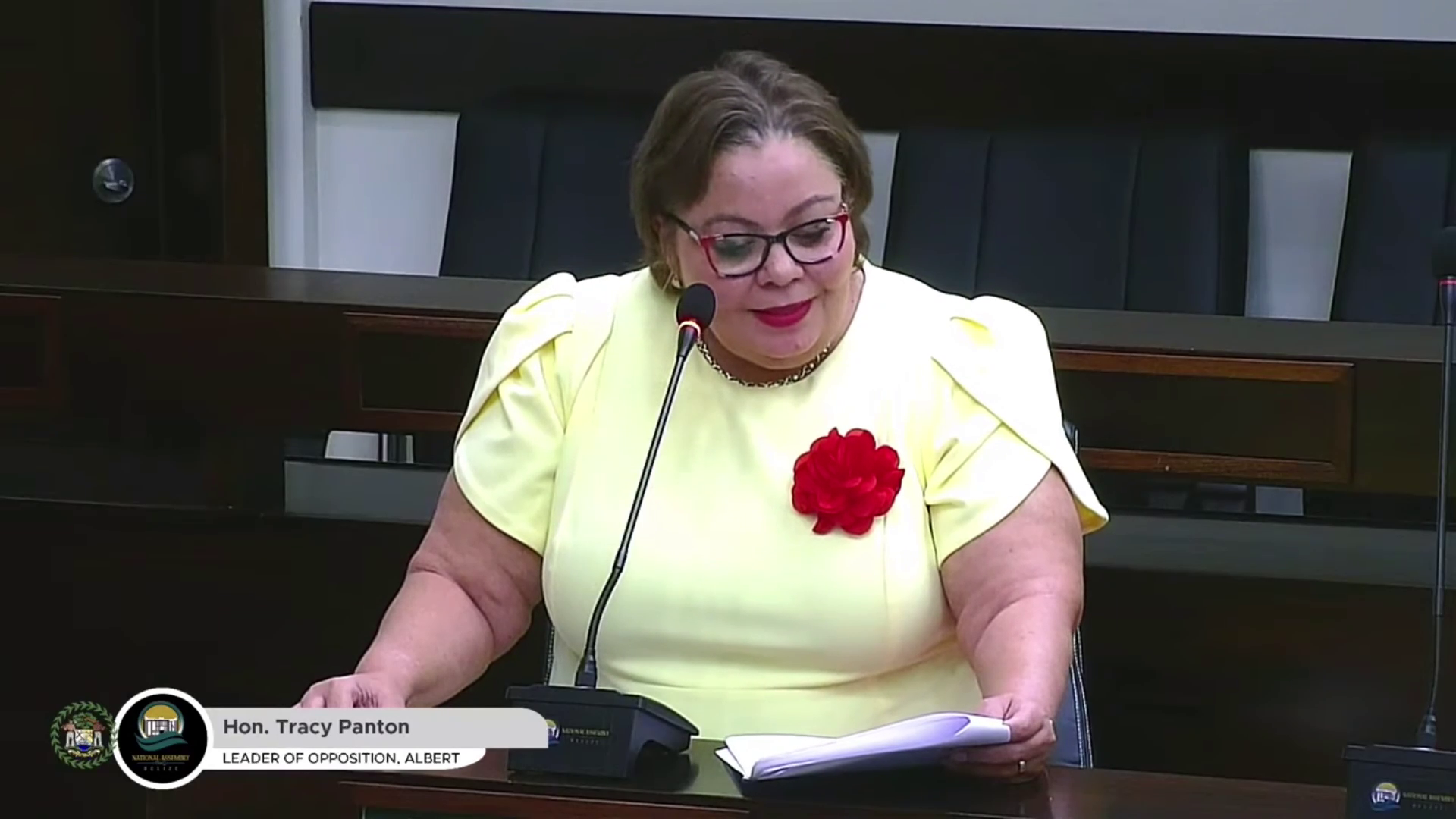
However, opposition leaders are raising sharp questions about the absence of a clear, detailed implementation roadmap, casting doubt on whether the funding will deliver the lasting, transformative impact the administration has promised. Tracy Panton, leader of Belize’s opposition United Democratic Party (UDP), outlined the core critiques of the proposal ahead of the House vote.
Panton emphasized that the funding commitment — equivalent to $23.5 million U.S. dollars — represents a substantial expenditure for Belize’s national budget, making transparency around allocation particularly critical. While the proposal references project operations in “targeted areas”, Panton pointed out that the legislation put before lawmakers fails to name specific districts, communities, or regions that will benefit from new preschool classroom construction. Lawmakers are being asked to approve the multi-million dollar allocation with no public information about where funds will be directed or what criteria will be used to prioritize target communities, Panton argued. She specifically noted that she hopes the coastal community of Punta Negra, associated with local advocate Maud McSweeny Taeger, will be included as a beneficiary if the proposal moves forward.
Panton also drew a contrast with the previous UDP administration’s approach to educational infrastructure investment, noting that the UDP arranged for a comprehensive national educational needs assessment financed by the Caribbean Development Bank (CDB) to ensure all funding allocation decisions were rooted in data and focused on maximum public impact. Despite these concerns, the opposition has confirmed it supports the overall goals of the initiative, and will back the bill in the House vote. In addition to the core IDA financing, the project has already secured an additional $1.2 million U.S. dollars in grant funding to support its implementation.