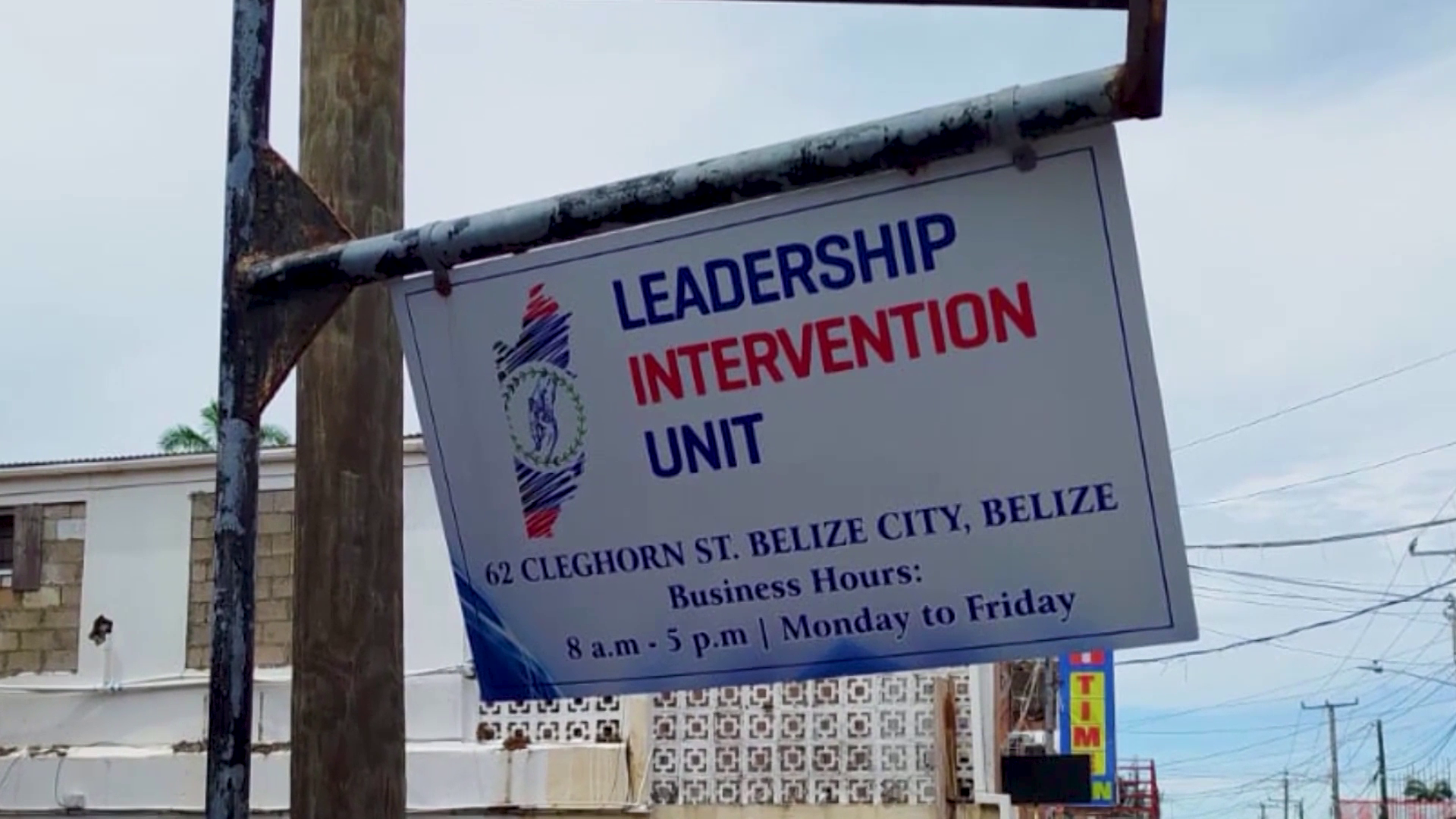
Nearly three years from now, in June 2026, a controversial policy shift by the Belizean government has left hundreds of program participants scrambling for new income sources, after Prime Minister John Briceño ordered a halt to the core employment component of the country’s Leadership Intervention Unit (LIU).
The LIU was initially launched as a short-term intervention initiative to provide temporary support to vulnerable communities across Belize. However, over time it evolved into a de facto permanent income stream for hundreds of participants, drawing criticism from government leaders who argue the nearly $18 million spent annually on the program is not delivering sufficient public value.
In comments to reporters following the policy announcement, Briceño pushed back against claims that the cuts have displaced low-income Belizeans who depended on LIU paychecks. He emphasized that the program was never designed to act as a permanent government employment agency, framing the reallocation of funds as a strategic investment in long-term public safety. The Prime Minister confirmed that LIU’s core mediation and community intervention services will remain active, but the direct employment component that provided steady salaries to participants will be scrapped entirely.
“This was never an employment agency. LIU was simply to hold you for about three months and then help transition you to other work,” Briceño stated in his address. “Listen, we’re looking at almost eighteen million dollars. That’s a lot of money that we can use elsewhere. We could have sports programs, we have after-school programs, we could keep these kids in school so that they don’t go down that route. I think there’s better use for it.”
When questioned by journalist Shane Williams about whether the government would help place former LIU participants into open jobs in Belize’s booming construction sector, Briceño confirmed that LIU staff will support job placement efforts, but noted that private-sector work requires different commitments than the program’s existing structure.
“Well they do, and I’m sure that the people from LIU can help place them in these areas,” Briceño said. “But it is something that then these guys would want to do, because when you work in the private sector you have to put in a full eight hours. The LIU was never designed to be an employment agency, never. And somehow it ended up where it just gave these people a salary. Whether we get our money’s worth, pretty much like I tell you, we don’t think so. And so it is important to put that money to better use.”
Briceño added that entry-level private-sector roles are widely available across the growing construction industry, even if they do not match the exact preferences of all former LIU participants, and that workers can advance over time as new opportunities emerge.
While the core LIU agency will continue its community mediation work, insiders speaking on condition of anonymity warn that cutting the employment program will significantly hamper the organization’s ability to carry out its violence prevention and intervention work. For the hundreds of participants who relied on LIU salaries for their livelihoods, the policy change has created immediate uncertainty about their financial futures.