A major public sector labor organization in The Bahamas is pushing back against a central component of the national government’s long-awaited pension reform initiative, arguing that long-tenured public workers should not be forced to abandon the retirement benefits they were promised when they were hired.
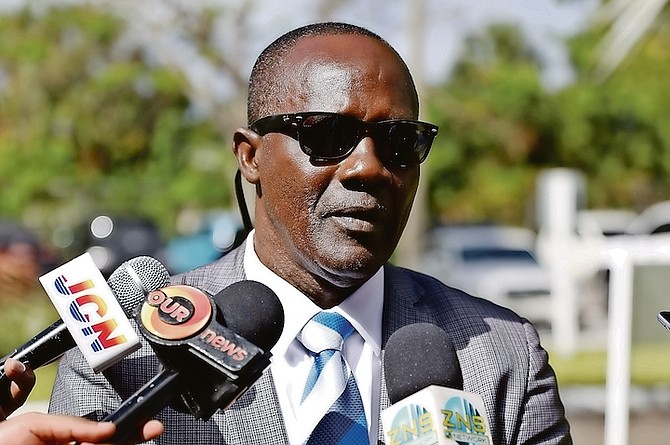
The Bahamas Public Services Union (BPSU), which represents thousands of public sector employees, confirms it supports broad pension modernization in principle, but is drawing a line at a proposal that would automatically shift all public servants with fewer than eight years of service into a new contributory pension system. BPSU President Kimsley Ferguson outlined the union’s objection during an interview with Guardian Radio’s Morning Blend on Wednesday, emphasizing that the measure unfairly penalizes workers who joined the public service under the explicit expectation of receiving a government-funded, non-contributory pension.
“When these workers were first hired, they were told they held permanent, pensionable positions with the government covering their retirement benefits,” Ferguson explained. “It is wrong to change those core terms of employment years into their careers. If we are going to implement this new system, it should apply to new hires moving forward — you do not strip an entitlement from someone who has already put seven years of service into the public sector.”
The union’s objection comes as the Bahamas government moves forward with the reform package, which was designed to address a looming public pension crisis. Unfunded public sector pension liabilities currently stand at an estimated $3 billion, and government projections show that figure will surge to $4.1 billion by 2032 if no changes are made.
The reform plan, outlined in a White Paper tabled alongside the 2026-2027 national budget, would replace the decades-old taxpayer-funded defined benefit pension system with a new Contributory Public Sector Pension Plan. Under the new framework, participating employees would be required to contribute a minimum of 3 percent of their pensionable salary to the fund, while the government would contribute 5 percent as the employer. All workers who have not yet fully vested in the current system — those with less than eight years of service — would be automatically enrolled in the new fund, along with all future new public sector hires. Existing longer-tenured workers would also have the option to voluntarily opt into the new system.
Despite opposing the forced enrollment of current less-tenured workers, Ferguson stressed that the BPSU does not oppose the broader shift to a contributory model. In fact, he noted that the structure offers tangible benefits for both public finances and workers themselves. “A contributory pension plan is actually something we can get behind,” he said. “It eases pressure on the public purse, and it also gives workers more control over how much they can save for retirement, letting them build a larger pension if they choose.”
Ferguson also raised additional questions about the policy development process, arguing that adequate consultation with union stakeholders did not take place before the White Paper was introduced to Parliament.
For its part, the government has defended the reform as a fiscally necessary step to avoid long-term budget collapse. Government projections included in the White Paper show that annual public pension payout costs will climb from $154.4 million in the current fiscal year to $166.75 million by the 2028-2029 fiscal year. “The continued growth of pension liabilities and annual cash outflows is fiscally unsustainable,” the policy document states. The government has not yet issued a formal response to the BPSU’s specific objection to the eight-year enrollment rule.