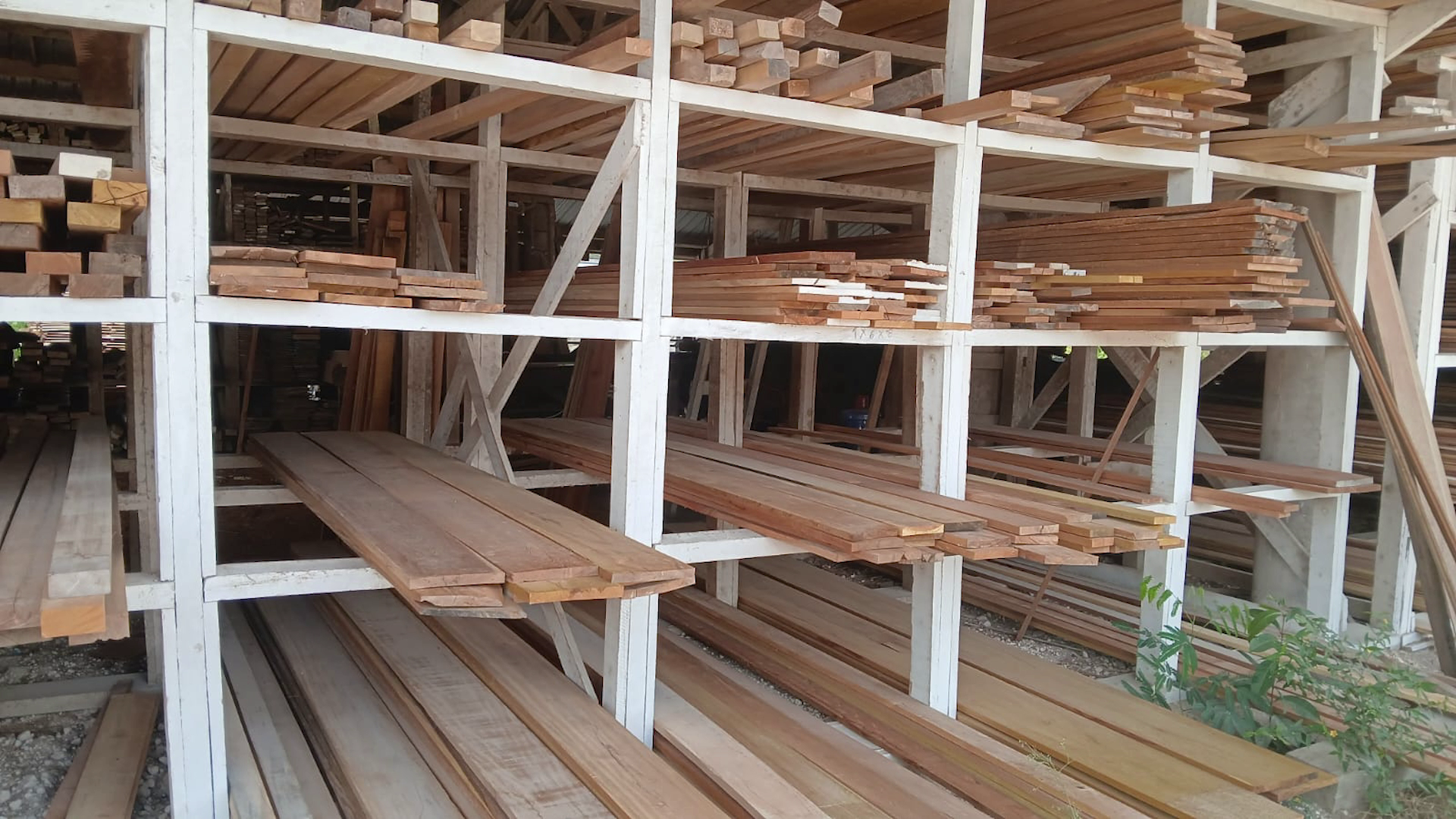
In the opening months of 2026, Belize’s construction sector is facing a growing crisis as a critical shortage of premium hardwood disrupts building projects across the country, hitting the Spanish Lookout community particularly hard. The supply crunch can be traced directly to a sweeping five-year government moratorium on new logging concessions for national territory, implemented in December 2025 as an emergency measure to curb deforestation, crack down on unregulated illegal logging, and protect Belize’s ecologically vital old-growth forest ecosystems.
Industry stakeholders, while broadly aligned with the government’s conservation goals, say the poorly coordinated rollout of the ban has created unnecessary chaos for small businesses, contractors, and homebuyers already navigating tight project timelines. Scott Varro, general manager of Linda Vista Lumber Yard, told reporters that the policy was implemented without any meaningful consultation with lumberyards, independent loggers, or local communities that depend on the hardwood trade for their livelihoods. “This is just the first year of the five-year ban, and we are already facing extreme scarcity,” Varro said. “It’s hard to imagine how the industry will survive another four years of these restrictions.”
Ronny Plett, manager of Plett’s Home Builders, echoed that frustration, noting that many construction firms have long supported sustainable logging reforms and reforestation requirements that were already written into national law. Where the government has gone wrong, Plett argued, is responding to historic failures to enforce existing regulations by shutting down legal logging operations entirely, rather than targeting the illegal activity that has damaged Belize’s forests. “We support conservation initiatives, but shutting down the entire industry is not the right solution to poor enforcement,” he said.
In response to mounting industry pressure, Belize’s Minister of Sustainable Development Orlando Habet defended the moratorium as a long-overdue correction for decades of unregulated logging that has stripped thousands of acres of old-growth forest from national lands. Habet countered that the government gave the industry years of advance warning about the coming cuts to logging concessions: as early as 2021, officials announced plans to reduce annual allowable logging by 10 to 15 percent each year, giving stakeholders half a decade to adjust their supply chains ahead of the full moratorium.
Habet also pushed back on claims that the ban has cut off all legal access to hardwood, noting three alternative supply channels remain open to the industry. Licensed operators can still source timber from existing sustainable logging concessions, harvest hardwood from private land with official permits, and import any additional hardwood needed to meet construction demand. So far, at least two companies have already taken advantage of import permits to fill supply gaps, the minister added.
The root of the current shortage, Habet argued, is not the government’s new conservation rules, but the fact that many firms have grown dependent on cheap, illegally harvested timber from national lands. Now that the government has stepped up enforcement to block illegal logging operations, the industry is finally facing the reality of how limited the legal hardwood supply really is. “There were thousands of acres logged illegally in past years, and many companies relied on that illegal timber to keep their costs down,” Habet explained. “Now that we’ve cracked down on that activity, they’re facing the actual limits of legal supply.”
As the debate intensifies, Belize finds itself at a crossroads: balancing the urgent need to protect its irreplaceable natural forest resources against the economic realities of a construction sector that supports thousands of livelihoods and meets growing demand for new housing. What was framed as a straightforward conservation measure has now become a high-stakes test of how the country can transition to a truly sustainable timber industry without collapsing the construction trade that powers much of its economy.