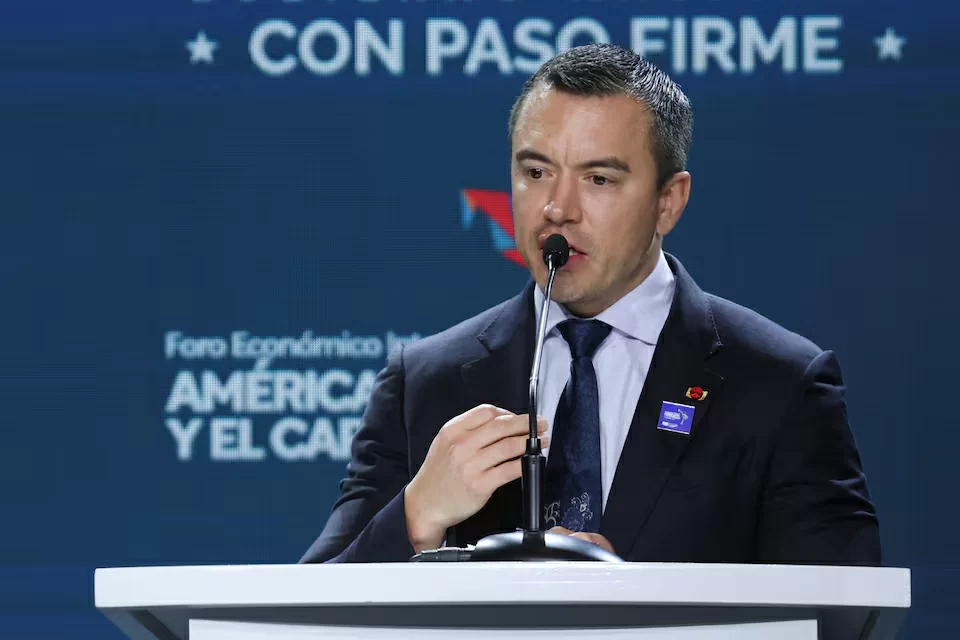
Diplomatic tensions between neighboring Latin American nations Colombia and Ecuador have escalated sharply after Colombia’s foreign ministry leveled a formal accusation of “deliberate interference” in Colombia’s upcoming presidential election, following a controversial tariff agreement between Ecuadorian President Daniel Noboa and a Colombian opposition candidate. The dispute unfolded over the weekend, just one day before Colombians head to the polls to elect their next head of state.
On Friday, Noboa announced that Ecuador would lift all bilateral import tariffs starting June 1, a decision reached after a phone call with Abelardo De La Espriella, an independent right-wing presidential candidate running in Sunday’s election. Taking to social media platform X, Noboa framed the policy shift as a response to De La Espriella’s commitment to launching “a genuine joint fight against narcoterrorism.” The two leaders also agreed to a new extradition deal for Ecuadorian criminals hiding out in Colombian territory.
Colombia’s foreign ministry rejected the framing of the tariff lift as a goodwill gesture from the Ecuadorian government in an official statement, dismissing the presentation as deliberately misleading. In a reciprocal move, Bogotá announced it would roll back its own retaliatory trade measures that it implemented in response to Ecuador’s earlier tariffs, a step that comes laced with political reproach amid the pre-election period.
Trade and security relations between the two countries have been strained for months, long before this latest diplomatic clash. Last year, Ecuador imposed new import tariffs on Colombian goods, accusing Bogotá of failing to crack down on drug trafficking along their 586-kilometer shared border. Colombian President Gustavo Petro has repeatedly and forcefully denied these accusations, pointing to the inherent complexity of security challenges in the border region.
This year’s Colombian presidential election pits De La Espriella against two leading contenders: Iván Cepeda, Petro’s ally, and right-wing Senator Paloma Valencia. The long-running tensions between Bogotá and Quito are rooted in decades of unresolved border disputes, as well as ongoing disagreements over how to combat drug trafficking and armed criminal groups that have destabilized the broader region. Ecuador’s original tariffs were explicitly designed as a pressure tactic to force Colombia to adopt harsher measures against cross-border organized crime, a demand Colombia has consistently pushed back against.
Now, the direct involvement of a presidential candidate in the tariff dispute has amplified volatility at a critical political juncture. Colombia’s election will shape the country’s trajectory for years to come, at a moment when the entire Latin American border region continues to grapple with pervasive violence and persistent economic uncertainty, making external political interference a particularly inflammatory issue for Colombian voters.