A high-profile legal case in Trinidad and Tobago has sparked fresh calls for systemic reform within the Trinidad and Tobago Police Service, after a 26-year-old man was acquitted on rape charges that he faced for 13 years. The man was just 13 years old when he was originally charged with the 2008 alleged rape of a 7-year-old girl, a case that the nation’s High Court has now formally ruled was driven by malicious prosecution.
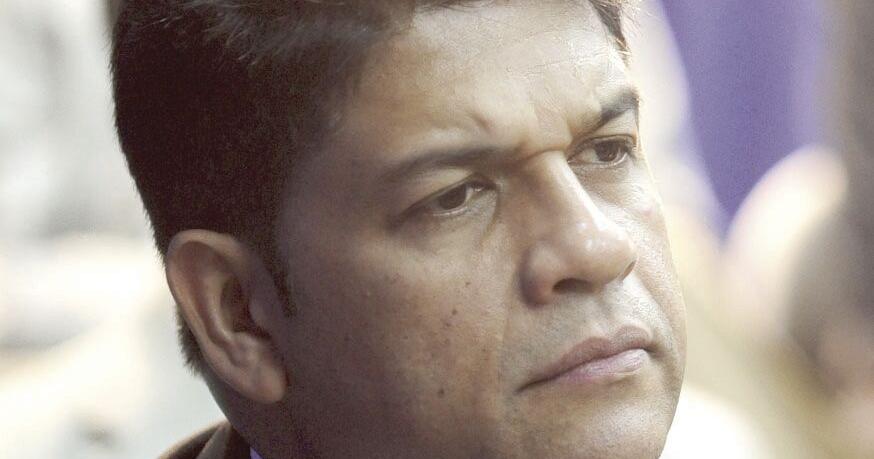
Speaking at a press conference held at his Curepe office on Wednesday, attorney Prakash Ramadhar, who represented the acquitted man, pulled back the curtain on the fundamental procedural failures that marred the entire investigation and prosecution. According to Ramadhar, the judge’s ruling made clear that key figures in the case — including the complainant, lead investigator, and senior supervising officers — abandoned proper investigative protocols entirely, choosing to pursue the young teen without any reasonable evidentiary basis to support the charges.
Multiple critical missteps were highlighted in the court’s findings. Forensic DNA testing that was readily available to investigators at the time of the alleged incident was never conducted. The homeowner who hosted the children’s party where the assault was purported to have happened was never interviewed by police. Even the date law enforcement cited for the crime was confirmed to be incorrect, and the defendant’s mother provided police with a solid alibi: her son was at his grandmother’s home at the time of the alleged offense. Despite this clear exculpatory information, investigators never followed up to interview the alibi witnesses or verify the claim, a failure that left an innocent teen facing decades of legal uncertainty.
Thirteen years after the original charges were filed, the High Court delivered its ruling, awarding aggravated damages to the defendant to underscore the judiciary’s condemnation of police misconduct in the case. Ramadhar noted that while the ruling offers a measure of redress for his client, it cannot undo the 13 years of harm that wrongful prosecution inflicted. “I shan’t call it full justice, but it delivers some level of remedy,” Ramadhar told reporters. “The High Court confirmed there was no reasonable probable cause to bring charges, found the prosecution was malicious, and awarded aggravated damages to reflect the court’s deep abhorrence of the police’s conduct in this matter.”
Ramadhar revealed that this case is far from an isolated incident. He and his legal team are currently handling multiple other cases that document severe, improper conduct by police officers. He emphasized that the bad actors responsible for these failures are a small minority within the force, but their actions are steadily eroding public trust in law enforcement. “It is a small few that corrodes the level of confidence that we should have,” Ramadhar said. “In due course, those matters will be brought to public attention, because some of the evidence of police misconduct we have is almost unbelievable.”
In closing, Ramadhar stressed that his call for reform is not an indictment of the entire police service. He remains a staunch supporter of rank-and-file officers who risk their lives daily to protect Trinidad and Tobago’s citizens, and expressed gratitude for their ongoing service. His core demand is simple: the police service must address internal misconduct, clean up its procedural gaps, and root out the bad actors that are undermining public confidence in the institution.