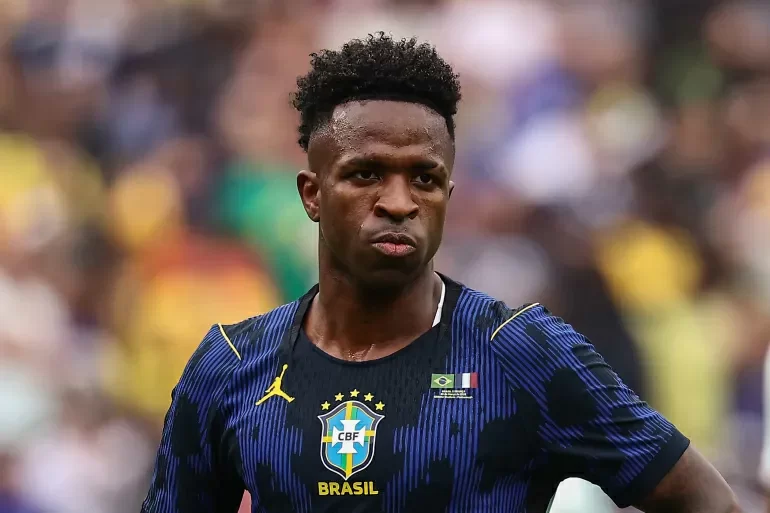
As the 2026 FIFA World Cup approaches in North America, five-time champions Brazil enter the tournament as one of the tournament’s most surprising underdogs, despite a long and unparalleled history of success on the world’s biggest football stage. The only nation to have qualified for every men’s World Cup since the tournament’s inception in 1930, Brazil holds the record for the most World Cup titles, with triumphs in 1958, 1962, 1970, 1994 and 2002. However, it has now been 24 years since the Seleção last lifted the golden trophy – a drought that matches the dry spell the side broke with their 1994 win on American soil, a parallel that has not been lost on fans and players alike.
Recent years have brought a string of crushing disappointments for Brazilian football, from the traumatic 7-1 semi-final defeat to Germany on home soil in 2014 to a penalty-shootout quarter-final exit at the hands of Croatia in the 2022 Qatar World Cup. A shaky CONMEBOL qualifying campaign that saw Brazil finish fifth in the regional standings ultimately cost manager Dorival Jr his job, paving the way for a historic appointment: Real Madrid icon Carlo Ancelotti became the first permanent foreign head coach to take charge of the Brazilian national team last year.
Ancelotti brings one of the most impressive resumes in club football to the role, with five UEFA Champions League titles earned across stints at AC Milan and Real Madrid, plus league trophies in all five of Europe’s top domestic competitions. Renowned for his ability to manage star personalities and build pragmatic, tactically flexible sides that thrive under pressure, Ancelotti does carry one major question mark into the World Cup: he has limited experience in international football. Early results with the Seleção have also been mixed, with friendly wins over Colombia and Chile offset by a 2-1 loss to world champions France in March 2026. One clear advantage for Ancelotti is his existing familiarity with many of Brazil’s top talents, most notably Real Madrid winger Vinicius Jr – the player widely flagged as Brazil’s difference-maker heading into the tournament.
The 2026 Seleção’s breakout star has had a rollercoaster club season, struggling early on under former Real Madrid manager Xabi Alonso before finding his form once Álvaro Arbeloa took charge, finishing the La Liga campaign with 16 goals. For Brazil, the 28-year-old winger has yet to hit the same heights he reaches at club level, notching just eight goals in 43 senior international caps. Ancelotti has made the bold choice to move Vinicius into a central striker role, a positional shift that has sparked debate, but few doubt that when at his best, his blistering pace, close control and eye for goal make him nearly unstoppable for opposing defenders.
One of the most controversial selection calls Ancelotti made was the inclusion of veteran Neymar, Brazil’s all-time leading goalscorer with 79 international goals, who has been plagued by a string of serious injuries over the past five years. The 34-year-old has not featured for Brazil since October 2023, and after a difficult spell in Saudi Arabia, he returned to his boyhood club Santos to rebuild match fitness. He was left out of Brazil’s March friendly squad due to lack of rhythm, so his World Cup selection came as a major surprise – especially with Chelsea’s player of the year Joao Pedro left out of the final squad. Ancelotti defended the call, noting that Neymar has shown consistent improvement in fitness and form over the past few months, and that his veteran experience was a priority for the squad. Neymar has spoken of his desire to mirror the 2002 run of Ronaldo, who led Brazil to the title after two years of injury struggles, though concerns remain over his fitness and off-field issues at this late stage of his career.
Beyond the two star forwards, Brazil’s 2026 squad is packed with quality across the pitch. Raphinha comes into the tournament full of confidence after a standout title-winning season with Barcelona, while young talents like Endrick, Gabriel Martinelli and Matheus Cunha add further attacking depth, even as injuries to Rodrygo and Estevao are major blows to the side’s attacking options. In midfield, Newcastle’s Bruno Guimaraes has established himself as one of the Premier League’s top midfielders, while veteran Casemiro is enjoying a late-career resurgence at Manchester United. Brazil’s defense is anchored by Paris Saint-Germain leader Marquinhos, with Liverpool’s Alisson Becker widely regarded as one of the best goalkeepers in world football, giving the side a solid foundation at the back.
Brazil has been drawn into Group C for the 2026 tournament, a repeat of the 1998 group stage that paired the Seleção with Morocco and Scotland. Haiti is the surprise qualifier, making their first World Cup appearance since 1974. 2022 semi-finalists Morocco are widely expected to be Brazil’s toughest group test, and will be eager to pull off an upset in their opening clash in East Rutherford, New Jersey on June 13. Brazil will then face Haiti in Philadelphia on June 19, before closing out group play against Scotland in Miami on June 24. Analysts widely expect Brazil to top the group if they perform to their potential, with comfortable wins projected against Haiti and Scotland.
As the tournament kicks off, the narrative around Brazil remains clear: the five-time champions have all the individual talent and top-tier coaching needed to compete for the title, but their underdog status comes with good reason. Key question marks over Neymar’s fitness, Ancelotti’s inexperience at international level, and the strength of opposing contenders could all derail Brazil’s bid to end the 24-year title drought. For long-time Brazil fans, many of whom have supported the side through decades of highs and lows, belief remains unshaken – if the Seleção can find cohesion and perform at their best when it matters, they could pull off one of the most surprising World Cup triumphs in the tournament’s modern history.