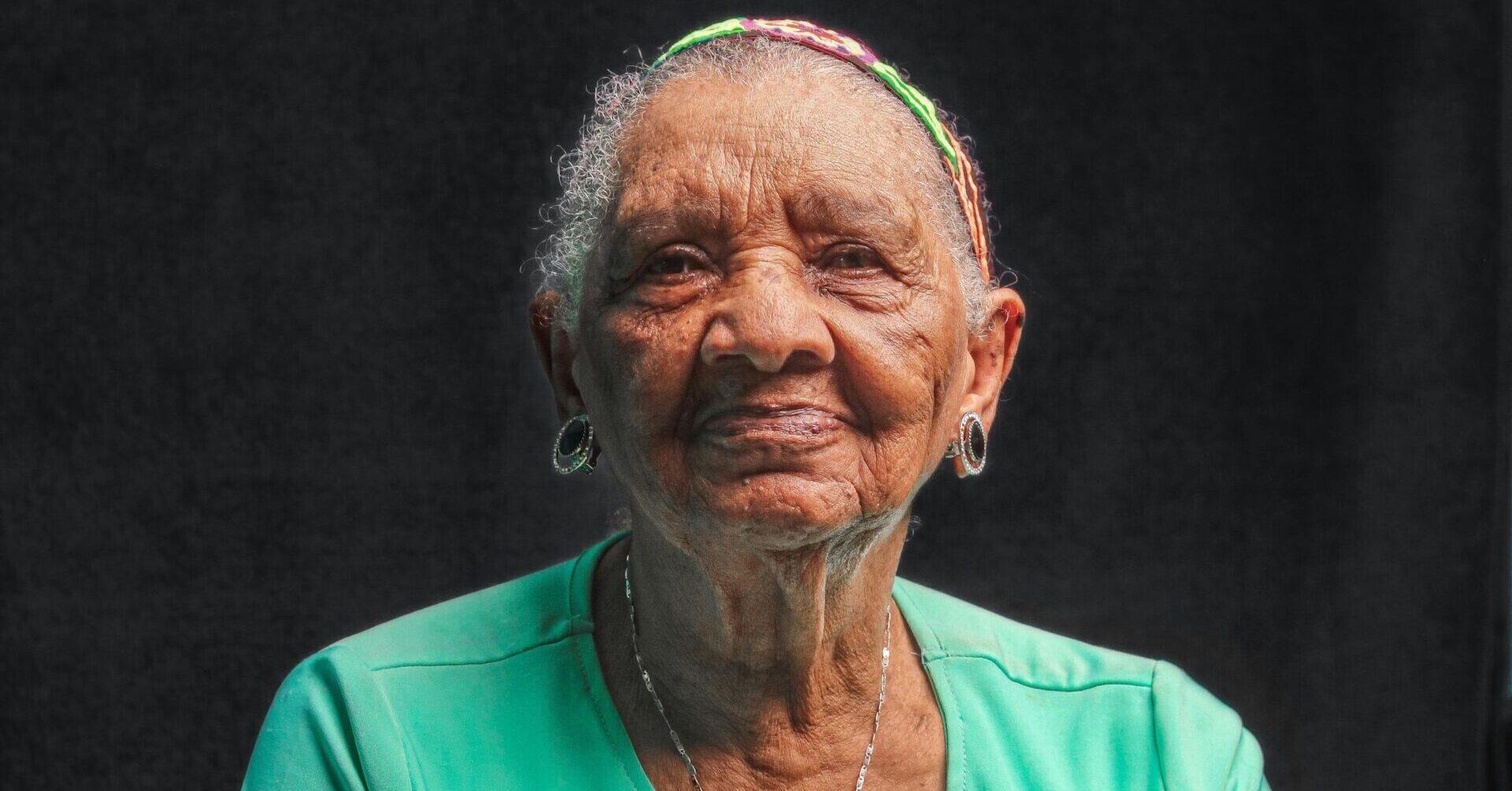
At the 30th Annual General Meeting of the Dominica Council on Aging (DCOA), held recently at the Goodwill Parish Hall, organization president Nigel Lawrence has issued a urgent call for meaningful inclusion of senior citizens in all stages of construction and urban development across the Caribbean nation.
Lawrence emphasized that consultation with elderly residents and aging advocacy groups must become a non-negotiable prerequisite for any new development project, regardless of whether it is led by the public government sector or private developers. He pointed to widespread accessibility gaps in new commercial and residential infrastructure across the country, noting that many newly built businesses still lack basic accommodations for older people, from wheelchair ramps and handrails for staircases to elevators in multi-story structures.
“In this modern era, we cannot accept a three-story building constructed without any accessibility provisions for older adults,” Lawrence argued. He explained that advancing age brings common physical challenges, including reduced joint mobility from drying synovial fluid and chronic rheumatism, that make climbing dozens of stairs to reach upper floors an insurmountable barrier for many seniors. “These design oversights are completely unacceptable, and they exclude thousands of older Dominicans from participating fully in public and economic life,” he added.
Beyond built infrastructure, Lawrence also called for targeted training for public bus drivers across Dominica to improve services for elderly passengers and residents. He highlighted that excessively loud music played on public vehicles poses measurable health risks to older people, whether they are riding the bus or living adjacent to frequent bus stops. Addressing both accessibility gaps and public service shortcomings, he stressed, is essential if Dominica hopes to achieve its goal of becoming a truly age-friendly nation.
In accompanying remarks to meeting attendees, Cassandra Williams, Minister of State in the Ministry of Health and Wellness, echoed calls for greater prioritization of older Dominicans, extending the conversation to intergenerational connection. Williams noted that rapid social change has led to growing distance between younger and older generations, even among families living in the same communities. She argued that intentional effort is needed to create spaces that bring together the decades of accumulated wisdom held by seniors with the curiosity and energy of young people.
Williams issued a direct call to action for young Dominicans to invest time in their older family members and community members. “Sit with your grandparents and great-grandparents, ask them about their lives, listen to their stories of love, resilience, and survival through hardships that many of us cannot imagine today,” she said. “We have so much to learn from the experiences of those who built our communities before us.”