A growing public outcry has erupted across Saint Lucia in the wake of the tragic death of 24-year-old Joy St Omer, with social media users demanding systemic accountability and sparking a national conversation about the role of creative artists in shaping societal norms and positive conduct. At the heart of the debate is a growing concern that many locally produced songs and other creative works embed harmful themes that normalize violence and perpetuate toxic, unhealthy interpersonal relationships.
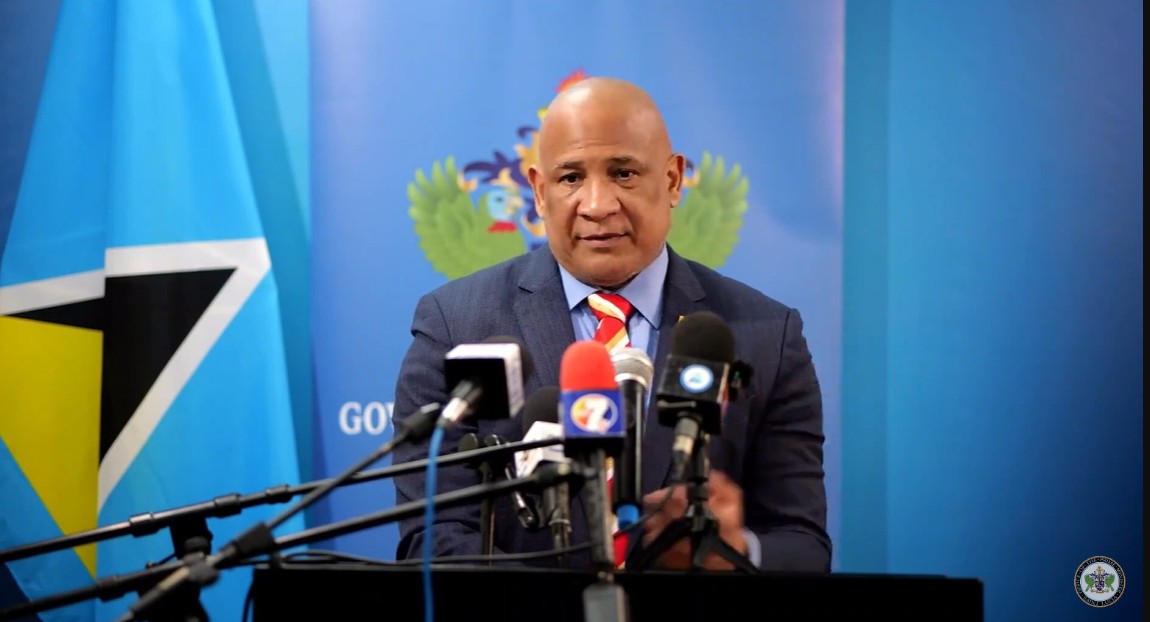
Following mounting public pressure, community members and activists have formally brought this conversation to the island nation’s political leadership, asking the government to clarify whether such damaging messaging has a place in Saint Lucia’s public cultural sphere. Speaking at a pre-cabinet press briefing held Tuesday, Minister for Creative Industries and Culture Dr Ernest Hilaire addressed the growing national discourse, acknowledging that the tension between creative freedom and social responsibility has long been a hotly debated topic in global sociological research and public policy.
Despite recognizing the nuance of the debate, Hilaire drew a clear line: content that promotes and glorifies violence has no business holding a place in Saint Lucia’s mainstream cultural landscape. He outlined the two competing perspectives framing the discussion: one side argues that removing harmful, violence-normalizing content from public life eliminates a dangerous indoctrinating influence that shapes the worldview of young Saint Lucians during their developmental years, while the other side defends unbridled creative expression and warns against overreaching government censorship that could stifle artistic innovation.
Hilaire noted that while arguments defending creative autonomy carry weight, there are hard limits that must be enforced to protect public welfare. “There are no circumstances under which we should tolerate any expression that glorifies violence in any way, and certainly, when it comes to violence against women as a vulnerable group,” he emphasized. The minister called on all creators, and vocal performers in particular, to exercise greater social sensitivity when crafting their work. “You can’t be calling on people to shoot each other and to retaliate and demand your respect with a gun and whatnot, you just cannot be doing that, and those things have to stop,” he said.
Even as he voiced strong opposition to violence-glorifying content, Hilaire acknowledged the core value of free expression in a democratic society, noting that any government intervention must balance public protection with respect for artistic freedom. He added that his perspective on the issue is shaped by more traditional, long-held views on the responsibility of creators to contribute to public good.