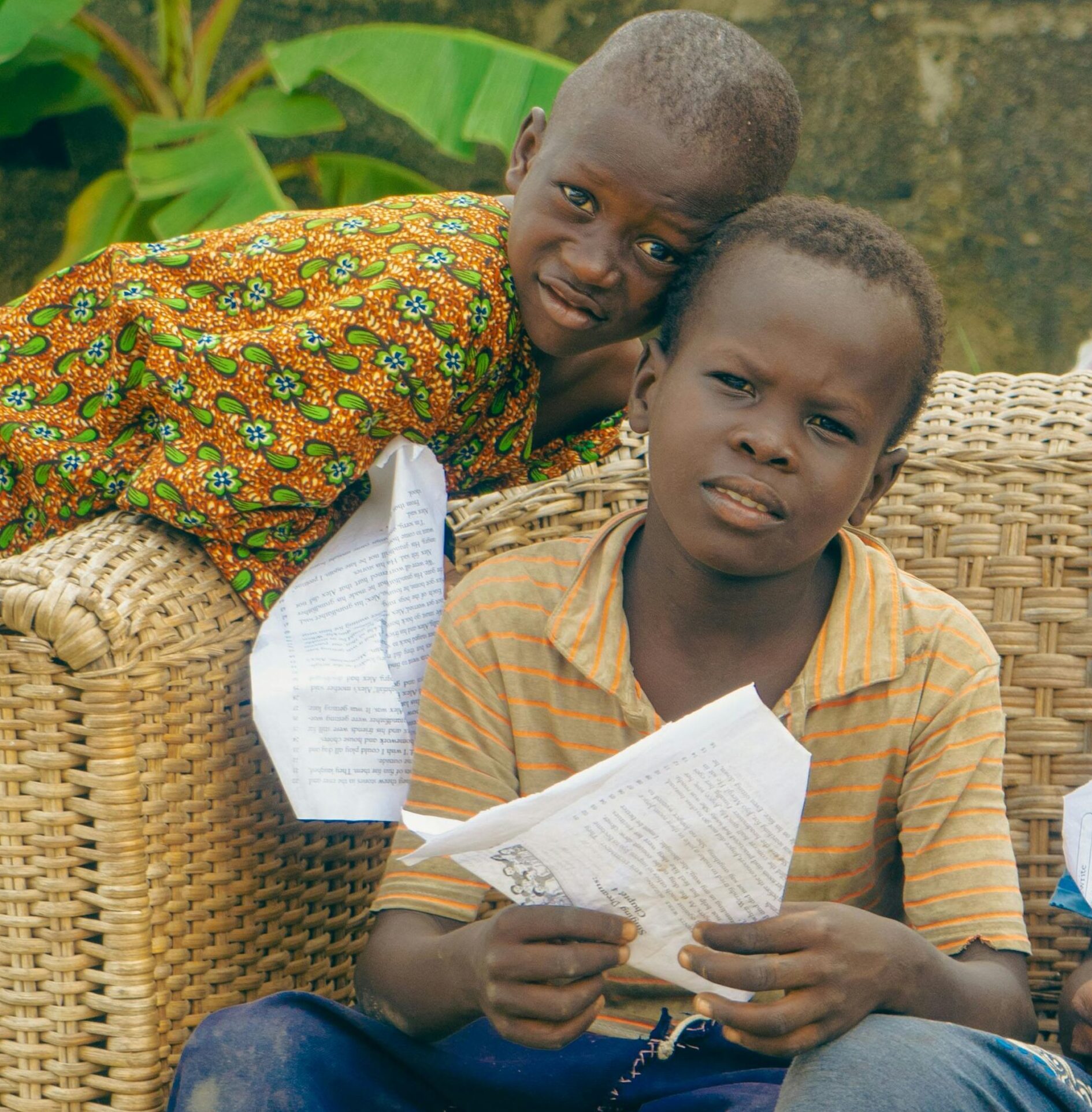
Across education systems worldwide, a troubling gap has emerged: boys are consistently falling behind girls in reading and literacy proficiency, a trend that experts warn risks long-term harm to academic outcomes and social development if left unaddressed. International standardized assessments, including the Progress in International Reading Literacy Study (PIRLS) and the Programme for International Student Assessment (PISA), have documented steady declines in average male literacy scores across dozens of countries in recent years, with the gap particularly stark in Jamaica.
According to a landmark report from the Jamaica Education Transformation Commission (JETC), chaired by Professor Orlando Patterson, the majority of Jamaican primary school students struggle with basic literacy. Data from the 2019 Primary Exit Profile (PEP) exam, the national assessment for final-year primary students, underscores the scale of the crisis: 33 percent of students are either completely unable to read or only possess very basic reading skills, 56 percent face similar barriers to writing, and 58 percent cannot effectively locate and extract information from written texts.
Beyond simple word recognition, true literacy relies on reading comprehension — an area where the vast majority of struggling students face their biggest challenges. Experts trace part of this negative attitude toward reading to deep-rooted cultural associations: for generations, many children were ordered to read as a punishment for misbehavior, framing the activity as a punitive chore rather than an enjoyable or rewarding pursuit. This perception persists for many students today, and it hits boys especially hard.
A major driving force behind boys’ declining reading performance is the persistence of harmful cultural stereotypes that frame reading-intensive subjects like English Language, English Literature, and History as “soft” or feminine pursuits, in contrast to “hard” STEM fields such as mathematics and physics that are widely perceived as more rigorous and masculine. Former educator Kurt Hickling, who has researched gender disparities in literacy, notes that this stereotype is reinforced by data: girls outperform boys at nearly every education level globally in reading habits and comprehension, mirroring broader gender gaps in academic literacy. While girls typically gravitate toward fiction and long-form reading for pleasure, boys often prefer visual media such as comics, heavily illustrated books, and non-fiction — a difference that learning environments rarely accommodate.
One-off public awareness events have also been called out for failing to deliver lasting change. Critics note that Jamaica’s annual Read Across Jamaica Day, held during Education Week, has become little more than a photo opportunity that generates positive media coverage for participants but does nothing to address the underlying crisis for the hundreds of struggling readers enrolled in Jamaican schools each year. After media attention fades, most schools return to the same under-resourced, complacent systems that allowed the literacy gap to widen in the first place. Each academic year, hundreds of underprepared primary students transition to secondary school, unable to engage with the requirements of the National Standards Curriculum, trapped in a cycle of underachievement.
Experts argue that closing this gap requires intentional, gender-specific intervention that addresses structural barriers and cultural stereotypes. In an era dominated by short-form, AI-curated bite-sized content, educators must meet boys where they are: most boys are tactile, visual learners who process information differently from the pace and structure that current education systems are designed for. While systemic gender discrimination has disproportionately harmed women and girls for centuries, advocates point out that rigid gender norms also create unique disadvantages for boys. Many boys experience their school environment as inherently feminized, and boys who prioritize academic excellence are often ridiculed as effeminate by peers and even adults in communities where male academic achievement is devalued. Forcing active, tactile learners to sit confined in a classroom for five to six hours a day runs directly counter to how boys naturally learn, creating a cycle of disengagement that starts early and worsens over time. True gender equality, experts emphasize, requires challenging and dismantling destructive stereotypes for all genders, not just addressing one side of systemic inequality.
To reverse the trend of declining male literacy, experts have outlined a series of targeted solutions. An inclusive education system must meet the unique needs of all students, including creating safe, non-judgmental spaces for boys to engage with reading without stigma. Communities must also reevaluate the harmful social norms that glorify “dunce culture” — a widespread attitude that frames academic underachievement as cool or desirable, particularly for boys — and redefine success to value literacy and education.
A core recommendation is “de-feminizing” the education system to remove barriers that discourage boys from engaging with reading. If left unaddressed, widespread male underachievement risks fueling the spread of toxic hyper-masculinity that further harms communities. Hickling proposes targeted literacy sessions that bring boys together with male peers in controlled learning environments, a structure that encourages more active interaction with reading material. He also calls on textbook publishers to integrate more graphics and visual elements into learning materials to align with boys’ preference for visual content, and to incorporate physical movement and multimedia learning activities that hold the attention of tactile learners. Above all, improving literacy outcomes for boys requires consistent, intentional effort rather than one-off ceremonial events.
As award-winning author Kate DiCamillo once noted: reading should never be presented to children as a boring chore or an obligation. It should be offered to them as what it is: a precious gift that expands the mind, opens new worlds, and enables personal growth.
Wayne Campbell is an educator and social commentator focused on how development policy intersects with culture and gender issues. Kurt Hickling is a former educator currently with the Charlotte Area Transit System.